You have no items in your shopping cart.



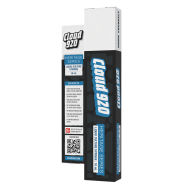
Coffee Cream Liquid Culture - Cloud920
The Coffee Cream liquid culture is a rare Psilocybe cubensis hybrid cross between the Shakti and Tidal Wave strains — two varieties known individually for vigour and yield — resulting in a culture distinguished by its creamy-beige cap coloration and aggressive colonization speed.
Availability: In stock
€19.95
Related


Check items to add to the cart or select all
Product Description
Details
About the Coffee Cream liquid culture
The Coffee Cream liquid culture is a rare Psilocybe cubensis hybrid cross between the Shakti and Tidal Wave strains — two varieties known individually for vigour and yield — resulting in a culture distinguished by its creamy-beige cap coloration and aggressive colonization speed.
Cloud920 isolated this strain as part of its Hybrid Fusion Series. It is one of two Cloud920 Coffee Cream formats on site and is available individually here or as part of the .
The cross behind Coffee Cream
Coffee Cream combines two well-regarded parent strains: Shakti, a heritage cubensis valued for its balanced growth profile and reliable multi-flush fruiting, and Tidal Wave, a relatively recent cross that itself derives from B+ and Penis Envy — meaning Coffee Cream carries PE influence in its second-generation genetics. The breeder behind the combination is not publicly documented, placing Coffee Cream among vendor-specific community hybrids that circulate primarily through liquid culture channels. Its standout inherited trait is the distinctive creamy-beige cap colouring that gives the strain its name.
Visual signature of Coffee Cream
Coffee Cream's defining visual feature is its cap colour: a creamy beige to coffee-toned palette that is markedly lighter than most golden or caramel cubensis strains and sets it apart at a glance under the microscope. Stems are notably thick, consistent with the PE influence in its Tidal Wave parent. Bruising is present and blue, as typical for the species. Spore prints are dark purple-brown. The combination of pale caps and meaty stems creates a profile that experienced researchers find immediately recognizable.
Growth profile of this hybrid culture
Coffee Cream is classified as easy difficulty and colonizes rapidly — described variously as fast, rapid and aggressive, which reflects both the Tidal Wave and Shakti contributions to its growth genetics. Yield is rated high, with robust fruiting across multiple flushes reported by cultivators. Fruiting temperature data is not formally documented for this strain, but typical cubensis parameters of 21–26 °C apply. The combination of fast colonization and high yield makes Coffee Cream one of the more productive entries in the Hybrid Fusion cluster. Growers interested in a hybrid with a contrasting spectral-white phenotype can compare it with the . To prepare your substrate and jars ahead of inoculation, visit our colonization supplies section.
Coffee Cream potency profile
No lab data for Coffee Cream has been published in Oakland Hyphae Psilocybin Cup results or peer-reviewed literature. Community reports describe potency as above average — an expectation that is consistent with the Tidal Wave (PE-derived) component in its parentage, though this should be treated as anecdotal. Potency varies with substrate, harvest timing and drying method; the Shroomery consensus that most cubensis fall within a broadly similar tryptamine range applies here as well.
What you receive in your Cloud920 syringe
You receive one 10cc syringe of Cloud920 Coffee Cream mycelium, packaged with a separately sealed sterile needle. The syringe contains QC-verified mycelium in Cloud920's nutrient broth, produced in a lab-controlled environment with viability, sterility and morphology checks on every batch. Two Cloud920 Coffee Cream product formats are available on site — this listing is for the liquid culture syringe.
How to inoculate with this liquid culture
Cloud920 recommends 2–3 cc per small grain bag, 3–4 cc per medium bag and 4–5 cc per large bag. Given the aggressive colonization speed of Coffee Cream, visible mycelial growth may appear at the earlier end of the typical 1–2 week window. Full colonization of a small-to-medium grain bag generally completes within roughly one month. Store the syringe refrigerated at 2–8 °C, upright, away from direct light, and use within the shelf life printed on the label.
Microscopy and research use only
This Coffee Cream liquid culture is sold for microscopy and mycological research. Cultivation of psilocybin-producing fungi is regulated or prohibited in many jurisdictions — verify your local legislation before use.
Frequently asked questions
What does it mean that Coffee Cream is a hybrid cubensis culture?
Coffee Cream is a cross of two parent Psilocybe cubensis strains — Shakti and Tidal Wave — with offspring selected for the distinctive creamy cap colouration and vigorous growth traits. Tidal Wave itself carries second-generation PE genetics, which is reflected in Coffee Cream's thick-stemmed fruiting profile.
How is a liquid culture different from a spore syringe?
A spore syringe contains spores that must first germinate before mycelium can form. A liquid culture already contains live, expanding mycelium — shortening colonization by roughly two weeks and reducing contamination risk.
How should I store this Cloud920 syringe?
Refrigerate at 2–8 °C, upright, in the original sleeve. Keep away from direct light and freezing temperatures. Use within the shelf life printed on the label.
Is this Cloud920 Coffee Cream culture lab-verified?
Yes. Every Cloud920 batch is produced in a lab-controlled environment with QC verification on viability, sterility and morphology before the syringe is filled and sealed.
Additional Info
Additional Info
| Productcode | LCS.C920-PSCU-COFR |
|---|---|
| Weight (KG) | 0.0290 |
| Form | Culture Syringe |
| Contents (ml) | 10ml |
| Mushroom Strain | Coffee Cream |
| Species | Psilocybe cubensis |
| Potency | High |
| Difficulty | Easy |
| Origin | Hybrid |
Bundle Promotions
-
Coffee Cream LC + Grow Bag Combo
 X1Coffee Cream Liquid Culture Syringe – Cloud920+
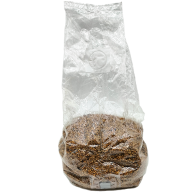
 X1All-in-One Mushroom Grow Bag 2000ml - Cloud920©
€49.45 €46.98
5% discount.
-€2.47 discount on buying this offer.
You may also be interested in the following products: