You have no items in your shopping cart.


Wheat Straw Substrate | 2.5 kg Bag
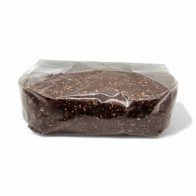
Chopped wheat straw substrate from local European farmers — the classic base for oyster mushroom cultivation. Each 2.5 kg bag contains cleanly cut, low-residue dry straw. Delivered raw (unpasteurised) — you pasteurise at home before inoculation. Perfect for Pleurotus species, wine cap (Stropharia) and other straw-loving fungi.
Availability: In stock
€7.50
Related


Check items to add to the cart or select all
Product Description
Details
Wheat straw is the cornerstone of low-cost, high-yield mushroom cultivation. Our 2.5 kg bag delivers clean, pre-chopped dry wheat straw sourced directly from regional European farmers and screened for foreign material. The straw is supplied raw and dry — not pre-pasteurised; you hydrate and pasteurise it yourself at home before inoculation. Pasteurising fresh just before use is the standard and the most reliable way to grow on straw.
How it ships
- Raw, dry, unpasteurised — the bag contains dry chopped straw, ready for you to hydrate and pasteurise at home
- Not sterile, not pre-treated — no heat, chemicals or moisture treatment have been applied
- Why we ship it dry and raw — pasteurised straw must be inoculated within 24 hours, so shipping pre-pasteurised straw is impractical. You get fresh, dry straw with a long shelf life and pasteurise it the day you inoculate.
Product specifications
- Net weight: 2.5 kg of dry, raw chopped wheat straw
- Cut length: 2–5 cm chops for optimal pasteurisation and colonisation
- Origin: locally sourced European farmland
- Condition: dry, raw, unpasteurised — pasteurise at home before use
- Expected yield: 2.5 kg dry straw hydrates to roughly 7–8 kg of wet substrate
Which mushrooms grow on wheat straw
Wheat straw is the textbook substrate for straw-loving and dung/compost species. From our own catalogue, the strongest match is Panaeolus cyanescens (Copelandia) — a small but vigorous active species that thrives on a straw + manure mix. We carry it in two Liquid Culture varieties:
- — the classic Hawaiian Copelandia
- — the Jamaican isolate
- — a related Panaeolus copelandia variety
Prefer a ready-to-grow format? See our or .
Wheat straw is also the textbook substrate for gourmet straw-lovers:
- Pleurotus ostreatus — pearl oyster mushroom
- Pleurotus pulmonarius — phoenix / Italian oyster
- Pleurotus eryngii — king oyster (with supplementation)
- Stropharia rugosoannulata — wine cap / king stropharia
- Coprinus comatus — shaggy mane / inkcap
For Psilocybe cubensis and other manure-loving cubensis species, use a coir-based mix instead: .
How to prepare wheat straw
- Hydrate — soak the straw in clean water for 12–24 hours until fully saturated
- Pasteurise — heat to 65–82 °C for 1–2 hours (hot-water bath, steamer or insulated cooler)
- Drain — drain to "field capacity" (a strong squeeze yields a few drops of water)
- Cool — let the straw cool to 24–27 °C before adding spawn
- Inoculate — mix with fully colonised grain spawn at a 1:5 to 1:10 ratio by weight
- Incubate — pack into mushroom bags or trays, keep at 20–24 °C until colonised
- Fruit — introduce fresh air, humidity and light to trigger pinning
Why pasteurise, not sterilise
Wheat straw has a low nutrient profile, which is exactly why pasteurisation (not full sterilisation) works best. Pasteurising at 65–82 °C eliminates harmful moulds and bacteria while leaving beneficial thermophilic micro-organisms alive — these compete against contaminants and give your mushroom mycelium a head start. Full autoclave sterilisation strips the substrate of all microbes and actually makes contamination more likely on a low-nutrient substrate.
Pair with grain spawn
Wheat straw colonises fastest when paired with active grain spawn. We recommend our sterile spawn bags: for fast colonisation or for larger fruiting yields.
Storage
Store the dry bag in a cool, dry place, away from rodents and direct sunlight. Once hydrated and pasteurised, use within 24 hours for best results.
Additional Info
Additional Info
| Productcode | MCS.SUBS.C920.WHST.25 |
|---|---|
| Weight (KG) | 2.5000 |
| Contents (ml) | No |
| Contents | No |
| Origin | No |
| Sterile | No |
You may also be interested in the following products: