
Sie haben keine Artikel in Ihrem Warenkorb.

San Pedro Kaktus: Informationen und Anwendungsratgeber
Posted under: Ethnobotanik & natürliche Highs
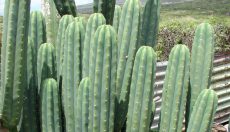
Geschichte, Wirkung, Zubereitung und Anbau – alles, was du über Echinopsis pachanoi wissen musst (Update 2026)
Der San Pedro Kaktus steht seit Jahrtausenden im Hochland der Anden. Heiler, Schamanen und Gemeinschaften, die die Verbindung zur Welt um sich herum suchen, nutzen ihn schon lange. Heute wächst das Interesse an dieser bemerkenswerten Pflanze weit über Südamerika hinaus. Egal, ob du dich für ihre Geschichte, ihre Wirkung oder den eigenen Anbau interessierst: Dieser Ratgeber liefert dir alles, was du wissen musst.
In diesem Ratgeber (Update 2026): Was der San Pedro Kaktus ist, woher er stammt und warum er zu den kulturell bedeutsamsten Pflanzen der Welt zählt.
Wir behandeln seine 3.000-jährige zeremonielle Geschichte, den Vergleich mit Peyote, wie sich die Erfahrung anfühlt, wie die traditionelle Zubereitung funktioniert und wie du zu Hause deine eigene Pflanze anbauen kannst.
Dieser Beitrag konzentriert sich auf Informationen, Geschichte, Wirkung und Anwendung. Eine vollständige Anbauanleitung findest du in unserem eigenen Beitrag zum Thema San Pedro Kaktus anbauen.
| Botanischer Name | Echinopsis pachanoi (früher Trichocereus pachanoi) |
| Gebräuchliche Namen | San Pedro, Huachuma, Wachuma, Achuma |
| Herkunft | Anden, vor allem Peru und Ecuador |
| Wirkstoff | Meskalin (psychoaktives Alkaloid) |
| Zeremonielle Nutzung | über 3.000 Jahre |
| Dauer der Erfahrung | 7–12 Stunden |
| Wuchsgeschwindigkeit | Schnellwüchsig; im ausgewachsenen Zustand bis zu 6 Meter hoch |
Was ist der San Pedro Kaktus?
Der San Pedro Kaktus – wissenschaftlich Echinopsis pachanoi, früher als Trichocereus pachanoi klassifiziert – ist ein hoher Säulenkaktus, der in den Anden von Peru und Ecuador heimisch ist. Er hat meist 6 bis 8 Rippen und kann unter den richtigen Bedingungen bis zu 6 Meter hoch werden. Damit gehört er zu den eindrucksvollsten Kakteen, die du selbst anbauen kannst.
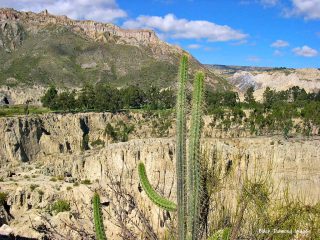
Er wächst natürlich in Höhenlagen von 2.000 bis 3.000 Metern in den Anden, wo die Temperaturen nachts deutlich fallen können. Deshalb ist er kälteverträglicher als viele andere Kakteenarten. Die Pflanze bildet große, duftende weiße Blüten, die sich nachts öffnen und über mehrere Wochen blühen können.
Was den San Pedro Kaktus von den meisten Zierkakteen unterscheidet, ist seine chemische Zusammensetzung. Er enthält Meskalin, ein natürlich vorkommendes psychoaktives Alkaloid, das auch in Peyote und einigen anderen Kakteenarten zu finden ist. Meskalin konzentriert sich vor allem in der grünen äußeren Schicht des Kaktus – dem Chlorenchym – direkt unter der Haut. Laut ICEERS kann der Meskalingehalt zwischen einzelnen Pflanzen und Arten erheblich schwanken.
Heute wird die Pflanze weltweit angebaut, sowohl als Zierkaktus im Garten als auch wegen ihrer kulturellen und zeremoniellen Bedeutung. Sie lässt sich leicht über Stecklinge vermehren und wächst im Vergleich zu anderen Kakteen recht schnell, was sie auch für Anfänger zugänglich macht. Eine vollständige Anleitung zum Anbau findest du in unserem San Pedro Anbau-Ratgeber.
Die Geschichte des San Pedro
Nur wenige Pflanzen haben eine so tief verwurzelte zeremonielle Geschichte wie der San Pedro Kaktus. Laut ICEERS datieren fossile Funde aus der Guitarrero-Höhle im peruanischen Callejón de Huaylas die Nutzung dieses Kaktus bis ins Jahr 6800–6200 v. Chr. zurück. Damit ist San Pedro eine der ältesten psychoaktiven Pflanzen der Vorfahren, die archäologisch belegt sind.
Der bekannteste frühe Beleg stammt jedoch von der Chavín-Kultur. Steinreliefs an der Stätte Chavín de Huantar, die auf etwa 1300 v. Chr. datiert werden, zeigen ein mythologisches Wesen, das einen Echinopsis pachanoi Kaktus hält. Das gilt als die früheste eindeutige Darstellung der zeremoniellen Nutzung von San Pedro in Amerika. Die Chavín zählten zu den einflussreichsten präkolumbischen Zivilisationen der Region, und ihre Traditionen prägten die nachfolgenden Kulturen, darunter die Nazca, Cupisnique, Chimú, Lambayeque und Moche.
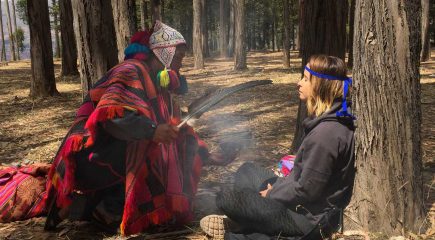
In all diesen Kulturen war die Pflanze unter ihren indigenen Namen bekannt: Huachuma, Wachuma und Achuma. Sie zählte zu den vier heiligsten Pflanzen Perus, neben Tabak, Ayahuasca und Koka – jede von ihnen tief in die spirituellen und medizinischen Praktiken der Region eingebunden.
Als die Spanier nach Südamerika kamen, versuchten sie, die indigenen Pflanzenzeremonien zu unterdrücken. Diese Traditionen erwiesen sich jedoch als widerstandsfähig. Interessanterweise erhielt der Kaktus schließlich den spanischen Namen San Pedro – nach dem heiligen Petrus, dem christlichen Heiligen, der traditionell mit den Schlüsseln zum Himmel dargestellt wird. Der Überlieferung nach nutzte Petrus die Kräfte des Kaktus, um die Schlüssel zu finden, die Gott versteckt hatte. So wurde der Name der Pflanze zu einer Brücke zwischen indigener und kolonialer Glaubenswelt. Im Jahr 2022 erklärte das peruanische Kulturministerium die traditionelle Verwendung des San Pedro Kaktus im Norden Perus offiziell zum Kulturerbe.
Noch heute leiten schamanische Praktizierende, bekannt als Curanderos oder Huachumeros, in Peru, Ecuador und Bolivien San Pedro Zeremonien und folgen dabei Traditionen, die über Jahrtausende weitgehend unverändert geblieben sind. Mehr über schamanische Traditionen und Pflanzenmedizin erfährst du in unserem Beitrag zu Schamanismus und Magic Mushrooms.
San Pedro vs. Peyote – zwei Meskalin-Kakteen
Der San Pedro Kaktus wird häufig mit Peyote (Lophophora williamsii) verglichen, dem kleinen, stachellosen Kaktus aus der Chihuahua-Wüste in Mexiko und im Süden der USA. Beide Pflanzen enthalten Meskalin als wichtigsten psychoaktiven Wirkstoff, und beide blicken in ihren jeweiligen indigenen Kulturen auf eine lange zeremonielle Geschichte zurück.
Es gibt allerdings deutliche Unterschiede. San Pedro ist ein hoher Säulenkaktus, der unter guten Bedingungen 30 bis 60 Zentimeter pro Jahr wachsen kann. Peyote wächst dagegen extrem langsam – es kann 10 bis 15 Jahre dauern, bis eine Peyote-Pflanze ausgewachsen ist. Dieses langsame Wachstum und jahrzehntelange Übernutzung haben dazu geführt, dass Peyote auf der Roten Liste der IUCN als gefährdete Art steht. In bestimmten Regionen Mexikos und Texas sind die Wildbestände dramatisch zurückgegangen.
Für San Pedro gilt nichts davon. Da er schnell wächst und sich leicht über Stecklinge oder Samen vermehren lässt, ist er nicht gefährdet, und der Anbau ist deutlich einfacher. Wenn du dich aus botanischer oder kultureller Sicht für meskalinhaltige Kakteen interessierst, ist San Pedro die nachhaltigere und ethisch bessere Wahl. In unserem ausführlichen Überblick über psychedelische Kakteen findest du weitere Arten aus dieser Familie.
Hinweis: Einen ausführlichen Blick auf Geschichte, zeremonielle Nutzung und Rechtslage von Peyote findest du in unserem Beitrag Peyote einnehmen.
Wirkung und zeremonielle Erfahrung
Die Wirkung des San Pedro Kaktus geht auf Meskalin zurück, ein Phenethylamin-Alkaloid, das mit Serotonin-Rezeptoren im Gehirn interagiert. Meskalin ruft eine Reihe von Wahrnehmungs-, Gefühls- und Denkeffekten hervor, die sich von Psilocybin oder LSD unterscheiden – oft wird es als wärmer, herzzentrierter und stärker mit der Natur verbunden beschrieben.
Anwender berichten in zeremoniellem Rahmen häufig von:
Für manche Teilnehmer gehört auch Purging dazu – Übelkeit oder Erbrechen –, das viele traditionelle Praktizierende als reinigenden Prozess verstehen, körperlich wie spirituell. Das passiert nicht bei allen, aber du solltest es kennen, bevor du an einer Zeremonie teilnimmst.
Eine San Pedro Erfahrung dauert in der Regel zwischen 7 und 12 Stunden und gehört damit zu den längeren psychedelischen Erfahrungen. Das solltest du praktisch wie psychologisch einplanen. Set und Setting spielen eine große Rolle für die Qualität der Erfahrung – in unserem Ratgeber zu Set und Setting kannst du dieses Konzept vertiefen.
Traditionelle San Pedro Zeremonien finden im Freien statt, oft um ein Feuer, und ein Schamane oder Curandero begleitet die Teilnehmer durch die Erfahrung. Seine Aufgabe ist es, den Raum zu halten, Schutz zu bieten, Visionen zu deuten und jeden zu unterstützen, der auf Schwierigkeiten stößt. Diese Zeremonien sind strukturierte, bewusste Ereignisse – keine Freizeitveranstaltungen. Wenn du über eine formelle Zeremonie nachdenkst, ist die Wahl eines vertrauenswürdigen und erfahrenen Begleiters unerlässlich.
Wie San Pedro in die breitere Landschaft psychedelischer Pflanzen und Substanzen passt, erfährst du in unserem Überblick über die häufigsten Arten von Psychedelika.
Zubereitungsmethoden
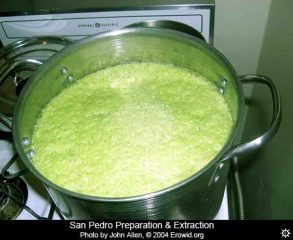
In der traditionellen Medizin der Anden wird der San Pedro Kaktus als Tee zubereitet. Dafür werden die Stacheln entfernt, die äußere Haut abgeschält und das grüne Fruchtfleisch des Kaktus lange gekocht. Heraus kommt eine dunkle, bittere Flüssigkeit, die zeremoniell getrunken wird. Im peruanischen Schamanismus wird diese Zubereitung manchmal Cimora genannt und kann mit anderen Pflanzen kombiniert werden.
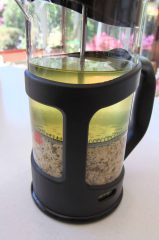
Die Zubereitung ist zeitaufwendig und erfordert sorgfältige Aufmerksamkeit. Der Vorgang dauert in der Regel viele Stunden, und die Flüssigkeit wird dabei stark eingekocht. Um es richtig zu machen, braucht es Erfahrung und Recherche – es gibt keine einheitliche Standardmethode, und der Gehalt an Wirkstoffen kann von Kaktus zu Kaktus erheblich variieren.
Wichtig: Der Besitz von Meskalin zum Zweck des Konsums ist in den meisten Ländern illegal – ausgenommen die Andenstaaten, in denen die traditionelle Nutzung rechtlich geschützt ist. Der Anbau des San Pedro Kaktus als Zierpflanze ist in den meisten Teilen der Welt legal. Informiere dich immer über die Gesetze in deinem Land, bevor du über den Anbau der Pflanze hinausgehst.
In diesem Ratgeber geben wir keine detaillierten Anleitungen zur Extraktion. Wenn du dich weiter in das Thema einlesen möchtest, ist die ICEERS-Infoseite zu San Pedro ein hervorragender Einstieg, um kulturellen Kontext, Chemie und Rechtslage zu verstehen.
Deinen eigenen San Pedro Kaktus anbauen
Der San Pedro Kaktus gehört zu den dankbarsten Pflanzen, die du zu Hause anbauen kannst. Er wächst schnell, sieht beeindruckend aus und ist relativ pflegeleicht – selbst für Anfänger ohne Kakteenerfahrung. Unter den richtigen Bedingungen wächst er 30 bis 60 Zentimeter pro Jahr und wird mit der Zeit zum echten Blickfang in jedem Garten oder auf jeder Fensterbank.
Du kannst mit Samen oder mit einem Growkit starten. Mit Samen erlebst du, wie eine Pflanze von Grund auf entsteht, auch wenn sie in den ersten Phasen etwas mehr Geduld verlangen. Ein Growkit liefert dir alles, was du für einen schnellen Start brauchst – mit vorbereitetem Substrat und optimalen Bedingungen für die Keimung.
Eine vollständige Anbauanleitung – Erdmischung, Gießplan, Lichtbedarf, Umtopfen und Fehlerbehebung – findest du in unserem eigenen San Pedro Anbau-Ratgeber. Er wurde 2026 aktualisiert und deckt alles von der Keimung bis zur Pflege der ausgewachsenen Pflanze ab.
Bereit, deinen eigenen San Pedro Kaktus anzubauen?
Starte mit unseren San Pedro Samen – 100 Samen für 13,95 € oder hol dir unser komplettes San Pedro Growkit für 19,95 € – alles, was du brauchst, in einer Box.
Hinweis: Wenn du an einer psychischen Erkrankung leidest und dich dafür interessierst, Meskalin oder eine andere psychedelische Substanz im Rahmen einer Therapie zu nutzen, sprich bitte zuerst mit den zuständigen medizinischen Stellen. Verschreibe dir nichts selbst – bei der Anwendung von Psychedelika als Medizin sind die richtige Unterstützung und Begleitung entscheidend.


March 23, 2026