Sie haben keine Artikel in Ihrem Warenkorb.
Psilocybin Microdosing in der Palliativmedizin: Studie zeigt bei 69 % Ansprechen
Posted under: Psilocybin-Wissenschaft & News
Psilocybin-Forschung & News · 8. Mai 2026 · 7 Min. Lesezeit
Psilocybin-Microdosing in der Palliativversorgung gilt als eines der vielversprechendsten Felder der psychedelischen Medizin. Eine kanadische klinische Studie aus dem Jahr 2026 hat gezeigt: 69 % der Patient:innen mit schwerer, unheilbarer Erkrankung sprachen auf ein dreiwöchiges Low-Dose-Protokoll mit Psilocybin an – ganz ohne schwerwiegende Nebenwirkungen. Hier erfährst du, was passiert ist und warum es wichtig ist.
Eine klinische Studie aus Kanada (2026) hat eines der bislang hoffnungsvollsten Ergebnisse für Psilocybin-Microdosing in der Palliativversorgung geliefert. In einer Gruppe von Patient:innen mit schwerer, unheilbarer Erkrankung zeigten 69 % nach nur drei Wochen niedrig dosiertem Psilocybin eine klinisch bedeutsame Verbesserung des Wohlbefindens – ohne schwerwiegende Nebenwirkungen.
Die Dosen waren winzig. Es gab kein psychedelisches Erlebnis. Und trotzdem waren die Ergebnisse signifikant. Hier erfährst du, was passiert ist, warum es wichtig ist und was es für die Zukunft der Sterbebegleitung bedeutet.
Was ist Psilocybin-Microdosing in der Palliativversorgung?
Die Palliativversorgung unterstützt Menschen mit schweren, unheilbaren Erkrankungen. Das Ziel ist also nicht, die Krankheit zu heilen, sondern die Lebensqualität zu verbessern. Eine der größten Herausforderungen ist dabei die psychische Belastung. Betroffene leiden zum Beispiel häufig unter starken Ängsten, Depressionen und existenzieller Furcht. Standard-Antidepressiva brauchen Wochen, bis sie wirken. Leider haben viele Patient:innen diese Wochen nicht.
Psilocybin-Microdosing bedeutet, eine sehr kleine, nicht wahrnehmbare Menge Psilocybin einzunehmen – den Wirkstoff in Magic Mushrooms und Magic Truffles. Bei diesen niedrigen Dosen fühlst du dich nicht high. Tatsächlich hast du überhaupt kein psychedelisches Erlebnis. Die Forschenden untersuchen vielmehr die Hypothese, ob niedrige Dosen neurologische Veränderungen bewirken können – etwa bei Stimmung, Angstlevel oder kognitiver Flexibilität –, ohne dass sich die Wahrnehmung verändert.
Genau diese Kombination – Psilocybin-Microdosing in der Palliativversorgung – haben Forschende an zwei Zentren in Ottawa, Kanada, untersucht.
Neu beim Microdosing? In unserem ausführlichen Ratgeber zum Psilocybin-Microdosing erfährst du alles über Protokolle, Einnahmeschemata und was dich erwartet. Ein guter Einstieg, bevor du dich in die klinische Forschung unten vertiefst.
So lief die Studie zu Psilocybin-Microdosing in der Palliativversorgung ab
Es handelte sich um eine offene klinische Studie (Open-Label) – die Teilnehmenden wussten also, dass sie Psilocybin erhielten – an zwei medizinischen Zentren in Ottawa. Veröffentlicht wurde sie im Januar 2026 in Palliative Medicine (PubMed: PMID 41617652).
Die Teilnehmenden waren 15 Erwachsene mit fortgeschrittener, unheilbarer Erkrankung und hoher psychischer Belastung. Die meisten von ihnen hatten Krebs (82 %). Das Alter reichte von 40 bis 84 Jahren. Außerdem litten alle unter deutlicher Depression oder Angst, die auf Standardbehandlungen nicht gut angesprochen hatte.
Das Protokoll war schrittweise und behutsam aufgebaut:
| Woche 1 | 1 mg Psilocybin pro Tag, oral eingenommen |
| Woche 2 | 2 mg Psilocybin pro Tag |
| Woche 3 | 3 mg Psilocybin pro Tag |
Zur Einordnung: In anderen Studien liegen die Dosen einer typischen therapeutischen Psilocybin-Sitzung zwischen 20 mg und 30 mg. Die hier verwendeten Dosen waren dagegen 7- bis 30-mal kleiner. Es handelt sich somit um echte Mikrodosen – Mengen, die keine spürbare psychedelische Wirkung auslösen sollten.
Die Ergebnisse: 69 % zeigten eine deutliche Verbesserung
Von den 13 Teilnehmenden, die das gesamte dreiwöchige Protokoll abschlossen, zeigten 9 von 13 – genau 69 % – eine klinisch bedeutsame globale Verbesserung ihres Wohlbefindens. Sowohl das medizinische Personal als auch die Patient:innen füllten standardisierte Bewertungsbögen aus. Gemeinsam bestätigten diese Einschätzungen, dass die Verbesserung real und konsistent war.
Acht dieser 13 Teilnehmenden (62 %) zeigten eine Reduktion ihres Depressionswerts um mehr als 50 %. Gemessen haben die Forschenden das mit der Hamilton-Depressionsskala – einem in der Depressionsforschung weit verbreiteten Standard. Klinisch gilt eine Verbesserung um 50 % als starkes Ansprechen.
Entscheidend: Es gab keine schwerwiegenden unerwünschten Ereignisse. Niemand erlebte eine belastende psychische Episode. Außerdem fühlte sich niemand überfordert. Die Dosen waren niedrig genug, dass die körperliche und psychische Verträglichkeit sehr gut war – selbst in einer fragilen Patientengruppe mit mehreren Erkrankungen und komplexen Medikamentenplänen.
Warum sich das von früherer Psilocybin-Forschung zur Sterbebegleitung unterscheidet
Frühere Studien zu Psilocybin und Belastungen am Lebensende – darunter wichtige Arbeiten von Johns Hopkins und der NYU – verwendeten hohe Einzeldosen Psilocybin, typischerweise 25–30 mg. Diese Sitzungen dauerten vier bis sechs Stunden unter direkter therapeutischer Begleitung. Dennoch waren auch diese Ergebnisse beeindruckend: Patient:innen berichteten von tiefgreifend reduzierten Ängsten und Depressionen, teils über Monate nach einer einzigen Sitzung.
Der praktische Vorteil des Microdosing-Ansatzes
Hochdosierte Psilocybin-Sitzungen sind aufwendig durchzuführen. Zunächst muss während der gesamten Sitzung eine geschulte Therapeutin oder ein geschulter Therapeut anwesend sein. Außerdem sind sie teuer und logistisch anspruchsvoll. Zudem sind sie nicht immer geeignet für Patient:innen, die schwer krank oder körperlich geschwächt sind oder Erkrankungen haben, die ein volles psychedelisches Erlebnis unsicher machen könnten.
Diese neue Studie zu Psilocybin-Microdosing in der Palliativversorgung deutet auf einen anderen Weg hin. Ein sanftes, schrittweises Protokoll lässt sich im klinischen Alltag leichter umsetzen. Zudem steht es auch Menschen offen, die für eine hochdosierte Sitzung nicht infrage kämen. Beide Ansätze haben ihren Wert – sie ergänzen sich, statt miteinander zu konkurrieren.
Mehr über die menschliche Seite des Zugangs zu Psilocybin am Lebensende erfährst du in unserem Beitrag zur Psilocybin-Therapie am Lebensende. Er erzählt die Geschichte von Pete Pearson – einem Mann, der für das Recht kämpfte, dem Tod mithilfe psychedelischer Medizin in Frieden zu begegnen.
Was die Psilocybin-Microdosing-Studie noch nicht beantworten kann
Es handelte sich um eine kleine Open-Label-Studie mit 13 Teilnehmenden, die das Protokoll abschlossen, und ohne Placebo-Kontrollgruppe. Da die Teilnehmenden wussten, dass sie Psilocybin erhielten, könnte ein Teil der Verbesserung auf Erwartungshaltung und die therapeutische Beziehung zurückgehen statt auf den Wirkstoff selbst. Die Ergebnisse sind vielversprechend – sie müssen aber in größeren, randomisierten, placebokontrollierten Studien bestätigt werden, bevor Psilocybin-Microdosing zu einer Standardbehandlung in der Palliativversorgung werden kann.
Den Forschenden sind diese Einschränkungen bewusst, und sie haben bereits Folgestudien mit größeren Gruppen und einem Kontrollarm gefordert. Schließlich war die Studie als Machbarkeitsstudie angelegt – ihr Hauptzweck war es zu zeigen, dass das Protokoll im palliativen Umfeld sicher und umsetzbar ist, was eindeutig der Fall ist. Die nächste Phase wird daher prüfen, ob der Effekt auch unter strengeren Bedingungen Bestand hat.
Die Neurowissenschaft hinter Psilocybin-Microdosing
Wie kann eine so kleine Dosis Psilocybin eine spürbare Wirkung auf Stimmung und Angst haben? Interessanterweise verweisen Forschende auf zwei zentrale Mechanismen.
Erstens aktiviert Psilocybin selbst in sehr niedrigen Dosen den Serotonin-5-HT2A-Rezeptor, der eine zentrale Rolle bei der Stimmungsregulation spielt. Möglicherweise stört es auch sanft das Default Mode Network – das Hirnsystem, das mit Grübeln, Selbstkritik und negativen Gedankenschleifen in Verbindung steht, wie sie bei Depressionen und existenzieller Angst häufig vorkommen. In unserem Beitrag über Gemeinsamkeiten aller Psychedelika wird dieser Mechanismus im Detail erklärt.
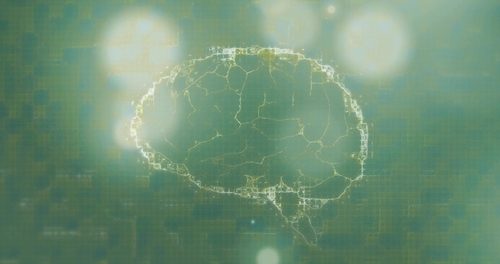
Zweitens, und vielleicht noch wichtiger, fördert Psilocybin die Neuroplastizität – die Fähigkeit des Gehirns, neue Verbindungen zu bilden und seine Muster zu verändern. Ein Review aus dem Jahr 2023 in Frontiers in Psychiatry fasst die Belege zur Neuroplastizität ausführlich zusammen. Unser Beitrag über Psilocybin und neue Gehirnzellen geht ebenfalls ausführlich darauf ein. In Labor- und frühen klinischen Modellen scheinen schon niedrige Dosen diesen Prozess anzustoßen. Dadurch könnte das Gehirn sich von starren, belastenden Denkmustern lösen – zumindest nach Ansicht der Forschenden, die diesen Effekt untersuchen.
Was das für die Zukunft der Palliativversorgung bedeutet
Die kanadische Studie von 2026 ist Teil eines viel größeren Wandels, der gerade in der Medizin stattfindet. Weltweit erkennen klinische Forschende, Behörden und Patient:innen, dass psychedelische Medizin – sorgfältig und in der richtigen Dosis für den richtigen Menschen eingesetzt – echte Hoffnung für Erkrankungen bietet, bei denen Standardtherapien versagt haben.
Warum psychedelische Medizin gerade in der Palliativversorgung so wichtig ist
Die Palliativversorgung ist einer der Bereiche, in denen diese Hoffnung am dringendsten ist. Die Menschen in dieser Studie standen am Ende ihres Lebens und litten stark. Ein dreiwöchiges Low-Dose-Protokoll, das sicher und praktikabel ist und 69 % der Patient:innen hilft – das ist keine Kleinigkeit. Das ist ein bedeutsamer Schritt nach vorn.
Wir werden auch weiterhin über Ergebnisse klinischer Psilocybin-Studien berichten, sobald sie vorliegen. Einen Überblick darüber, wie sich die psychedelische Therapie 2026 entwickelt, findest du in unserem Beitrag zur Executive Order zu Psychedelika 2026 und was sie für Forschung und Zugang in den USA bedeutet.
Sicherheitshinweis: Psilocybin ist in den meisten Ländern eine kontrollierte Substanz. Die hier beschriebene Forschung fand in einem beaufsichtigten klinischen Umfeld statt. Versuche nicht, Psilocybin im medizinischen Kontext ohne professionelle Begleitung selbst anzuwenden. Wenn du über Microdosing nachdenkst, lies zuerst unseren Ratgeber Sind Magic Mushrooms gefährlich? und informiere dich immer über die Rechtslage in deinem Land.
Neugierig auf Microdosing? Unser
enthält alles, was du für den Start brauchst, und das
erklärt Protokolle, Einnahmeschemata und Wissenschaft in verständlicher Sprache.
Haftungsausschluss: Dieser Artikel berichtet ausschließlich zu Informationszwecken über wissenschaftliche Forschungsergebnisse. Psilocybin ist in den meisten Ländern eine kontrollierte Substanz, auch in den Niederlanden. Nichts in diesem Artikel stellt eine medizinische Beratung, eine gesundheitsbezogene Aussage oder eine Empfehlung dar, ein Produkt zur Vorbeugung, Behandlung oder Heilung einer Krankheit oder eines Gesundheitszustands zu verwenden. Die beschriebenen Studienergebnisse beziehen sich auf beaufsichtigte klinische Forschungskontexte, nicht auf Verbraucherprodukte. Wenn du mit einer schweren Erkrankung oder psychischer Belastung zu kämpfen hast, wende dich bitte an eine qualifizierte medizinische Fachperson.


May 13, 2026