
Sie haben keine Artikel in Ihrem Warenkorb.

Magic Mushrooms aus Sporen züchten — Komplette Q&A-Anleitung
Posted under: Anbau & Kultivierung
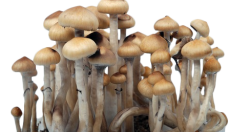
Magic Mushrooms aus Sporen züchten — Dein FAQ-Guide zu Sporenspritzen, Sporen-Vials, Sporenabdrücken & mehr (Update 2026)
Magic Mushrooms aus Sporen zu züchten ist für Tausende Grower jedes Jahr der Einstieg in die Pilzzucht. Es ist aufwendiger als ein bereits durchwachsenes Grow Kit, gibt dir aber deutlich mehr Kontrolle über den gesamten Prozess – und eröffnet dir eine viel größere Auswahl an Sorten. Wenn du dich fragst, wo du anfangen sollst, welches Format das richtige ist oder was dich in den einzelnen Phasen erwartet, findest du hier alle Antworten.
In diesem Guide: Ein praxisnahes FAQ rund um den Anbau von Magic Mushrooms aus Sporen – von der Wahl zwischen Sporenspritze, Sporen-Vial und Sporenabdruck über die Inokulation und das Durchwachsen bis hin zu typischen Problemen unterwegs.
Egal, ob du ganz am Anfang stehst oder schon mit Grow Kits Erfahrung gesammelt hast und einen Schritt weitergehen willst: Diese Antworten geben dir einen klaren Überblick über den gesamten Weg von der Spore bis zum Pilz.
Die Grundlagen: Was sind Sporen und warum damit starten?
Was genau sind Pilzsporen?
Sporen sind die Fortpflanzungseinheiten eines Pilzes. Sie sind mikroskopisch klein, einzellig und werden in riesigen Mengen unter dem Hut eines ausgewachsenen Pilzes gebildet. Wenn die Bedingungen stimmen – das richtige Substrat, genügend Luftfeuchtigkeit und die passende Temperatur –, keimen die Sporen aus und wachsen zu Myzel heran, dem weißen, fadenartigen Geflecht, das später die Fruchtkörper (also die Pilze selbst) bildet.
Sporen enthalten den vollständigen genetischen Bauplan des Pilzes. Da sie selbst aber weder Psilocybin noch Psilocin enthalten, fallen sie in vielen Ländern rechtlich in eine andere Kategorie als die Pilze, die aus ihnen wachsen können. Mehr dazu erfährst du in unserem Artikel warum Magic-Mushroom-Sporen kein Psilocybin enthalten.
Warum aus Sporen züchten statt ein Grow Kit zu verwenden?
Ein Magic Mushroom Grow Kit besteht aus vorbeimpftem Substrat – das Myzel wächst bereits, wenn es bei dir ankommt. Wenn du Magic Mushrooms aus Sporen züchtest, fängst du dagegen bei null an: Du beimpfst dein eigenes Substrat und begleitest das Myzel selbst durch die Durchwachsungsphase. Das bringt dir drei entscheidende Vorteile.
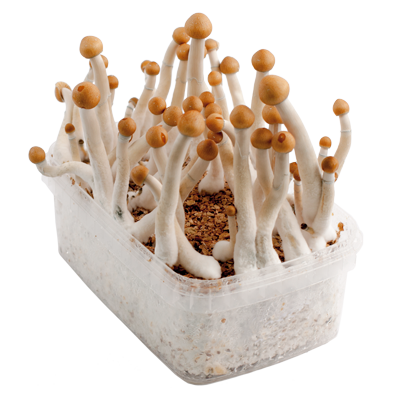
Erstens: Sortenvielfalt. Grow Kits decken die beliebten Psilocybe-cubensis-Sorten ab, das Angebot an Sporen ist jedoch deutlich breiter. Wenn du mit Sporen startest, kannst du auch Sorten züchten, die es als Kit nicht gibt. Zweitens: Kosteneffizienz bei größeren Mengen. Sobald du mit dem Ablauf vertraut bist, sind Sporen ein günstiger Ausgangspunkt für größere Zuchtprojekte. Drittens: tieferes Wissen. Wer den gesamten Zyklus von der Spore bis zum Pilz versteht, wird zu einem deutlich fähigeren und flexibleren Grower.
Der Haken: Beim Züchten von Magic Mushrooms aus Sporen brauchst du mehr Ausrüstung, musst genauer steril arbeiten und wartest länger auf die erste Ernte.
Das richtige Sporenformat wählen
Was ist der Unterschied zwischen Sporenspritze, Sporen-Vial und Sporenabdruck?
Das sind die drei wichtigsten Formate, in denen Sporen verkauft und weitergegeben werden. Jedes hat seine eigenen Stärken.
Eine Sporenspritze enthält Sporen, die in sterilem Wasser in einer Spritze schweben. Das macht die Inokulation sehr einfach – du spritzt die Flüssigkeit direkt in dein Substrat oder dein Anzuchtglas. Sporenspritzen sind einsteigerfreundlich und weit verbreitet. In unserer Anleitung so verwendest du eine Sporenspritze gehen wir jeden Schritt der Inokulation durch.
Ein Sporen-Vial enthält eine ähnliche Sporensuspension, allerdings in einem verschlossenen Glasfläschchen mit Gummiseptum. Vials gelten allgemein als hochwertiger als Spritzen, weil das verschlossene Format die Sporen bei der Lagerung besser vor Kontamination schützt. Viele erfahrene Grower bevorzugen Vials deshalb. Den kompletten Ablauf findest du in unserer Anleitung so verwendest du ein Magic-Mushroom-Sporen-Vial.
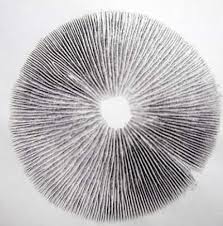
Ein Sporenabdruck (Spore Print) entsteht, wenn du einen Pilzhut mit den Lamellen nach unten auf Folie oder Papier legst, sodass die Sporen in einem Muster herunterfallen. Abdrücke sind das kompakteste und haltbarste Lagerformat – richtig getrocknet und gelagert, bleiben sie jahrelang keimfähig. Allerdings brauchst du bei Abdrücken einen zusätzlichen Schritt: Du musst die Sporen erst wieder befeuchten oder auf Agar übertragen, bevor du ein Substrat beimpfst. Einsteiger kommen mit Spritzen und Vials meist leichter zurecht. Unsere Anleitung so verwendest du einen Sporenabdruck erklärt das Verfahren im Detail.
Welches Format sollten Anfänger wählen?
Für die meisten Anfänger sind eine Sporenspritze oder ein Sporen-Vial der beste Einstieg. Beide lassen sich ohne zusätzliche Vorbereitung direkt zum Beimpfen nutzen. Wenn du die Wahl hast: Ein Sporen-Vial bietet durch das verschlossene Format eine minimal bessere Keimfähigkeit. Beide Formate funktionieren aber gut und sind eine solide Wahl für deine erste Zucht aus Sporen.
Ein Sporenabdruck eignet sich hervorragend für die Langzeitlagerung und für erfahrenere Grower, die mit Agar arbeiten oder ihre eigenen Spritzen herstellen wollen. Als Neuling in der Sporenzucht bleibst du am besten bei einem flüssigen Format.
Wie lange bleiben Sporen keimfähig?
Richtig gelagert, bleiben Magic-Mushroom-Sporen überraschend lange keimfähig.
Bei allen Formaten gilt: Schütze sie vor Hitze, UV-Licht und Kontamination. Lagere Spritzen und Vials im Kühlschrank, nicht im Gefrierfach. Einfrieren schadet der Keimfähigkeit bei flüssigen Formaten. Abdrücke gehören in verschlossene, beschriftete Folienbeutel oder Umschläge, am besten in einem kühlen Schrank oder im Kühlschrank.

Der Zuchtprozess: Von der Spore zum Myzel
Welches Substrat sollte ich für die Zucht aus Sporen verwenden?
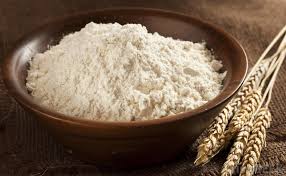
Das einsteigerfreundlichste Substrat, um Magic Mushrooms aus Sporen zu züchten, ist die PF-Tek-Methode: Dabei wird eine Mischung aus Braunreismehl und Vermiculit in kleinen Gläsern verwendet. Diese Kombination ergibt ein nährstoffreiches, gut belüftetes Substrat, das Psilocybe cubensis zuverlässig durchwächst. Unsere komplette PF-Tek-Anleitung deckt die gesamte Methode ab – von der Substratvorbereitung bis zur Ernte.
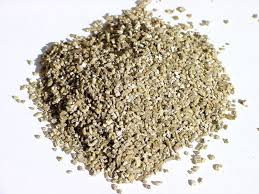
Fortgeschrittene Grower nutzen oft Bulk-Substrate – größere Mengen an Materialien wie Kokosfaser, Stroh oder pasteurisiertem Getreide. Bulk-Zucht liefert pro Beimpfung mehr Pilze, verlangt aber ein höheres Maß an Hygiene und mehr Ausrüstung. Für deine erste Zucht aus Sporen empfehlen wir PF Tek als Einstieg.
Welche Ausrüstung brauche ich?
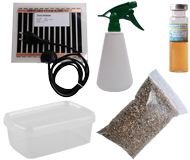
Die Ausrüstungsliste für den Anbau von Magic Mushrooms aus Sporen ist umfangreicher als bei einem Grow Kit. Das sind die wichtigsten Dinge, die du für PF Tek brauchst:
| Gegenstand | Zweck |
|---|---|
| Sporenspritze oder Vial | Die Sporenquelle für die Inokulation |
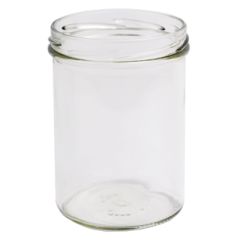
| Gläser mit Deckel (Half-Pint, ca. 240 ml) | Substratbehälter zum Durchwachsen |
| Braunreismehl | Nährstoffkomponente des Substrats |
| Vermiculit | Belüftung und Wasserspeicherung im Substrat |
| Schnellkochtopf oder großer Topf | Sterilisation der Substratgläser |
| Isopropylalkohol (70 % und mehr) | Oberflächendesinfektion und Sterilisation ohne Flamme |
| Nitrilhandschuhe und Mundschutz | Weniger Kontamination beim Beimpfen |
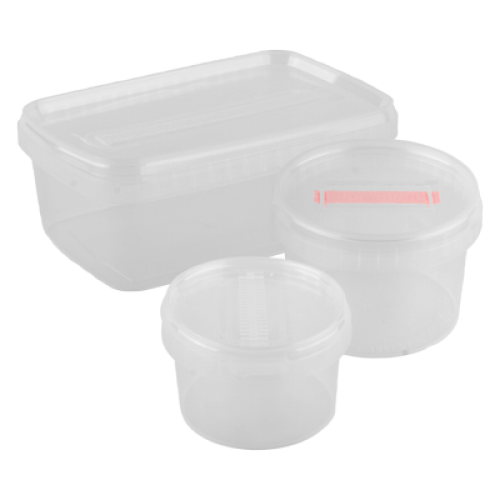
| Fruchtkammer oder Monotub | Kontrollierte Umgebung für die Fruchtung |
| Thermometer und Hygrometer | Temperatur und Luftfeuchtigkeit überwachen |
Die Sterilisation ist einer der wichtigsten Schritte im gesamten Prozess. In unserer Anleitung zum Sterilisieren von Zuchtmaterialien erfährst du, was wann sterilisiert werden muss und wie du es richtig machst.
Wie beimpfe ich meine Substratgläser?
Beim Beimpfen (Inokulation) bringst du die Sporen in dein vorbereitetes, sterilisiertes Substrat ein. Ziel ist es, dabei so zu arbeiten, dass die Gefahr einer Kontamination möglichst gering bleibt. So läuft der grundlegende Prozess mit einer Sporenspritze ab:
1
Arbeitsplatz vorbereiten
Arbeitsplatz vorbereiten
Reinige und desinfiziere deine Arbeitsfläche gründlich. Trage Nitrilhandschuhe und einen Mundschutz. Reduziere den Luftzug im Raum – schließe Türen und Fenster und arbeite nicht unter einem Ventilator oder einer Klimaanlage. Viele Grower arbeiten in einer Still-Air-Box (einer großen, durchsichtigen Aufbewahrungsbox mit Armlöchern), um das Risiko von Kontaminationen über die Luft weiter zu senken.
2
Nadel abflammen
Nadel abflammen
Erhitze die Nadel deiner Sporenspritze mit einem Feuerzeug, bis sie rot glüht, und lass sie dann einige Sekunden abkühlen. Wische die Nadel vor jedem Einstichpunkt mit einem alkoholgetränkten Tupfer ab. So werden Bakterien und Schimmelsporen auf der Nadeloberfläche abgetötet.
3
Sporenlösung einspritzen
Sporenlösung einspritzen
Steche die Nadel durch den selbstverschließenden Injektionsport oder durch den Polyfill-Filter im Deckel deines Glases und spritze eine kleine Menge Sporenlösung an der Innenwand des Glases entlang ein. Verteile die Inokulation gleichmäßig rund um das Glas, damit es schneller durchwächst. Verschließe den Einstichpunkt bei Bedarf mit Micropore-Tape.
4
Beschriften und inkubieren
Beschriften und inkubieren
Beschrifte jedes Glas mit dem Sortennamen und dem Datum der Inokulation. Stelle die Gläser zur Inkubation an einen warmen, dunklen Ort. Die ideale Inkubationstemperatur liegt bei den meisten Psilocybe-cubensis-Sorten bei 24–27 °C. Bei dieser Temperatur siehst du innerhalb von 5–10 Tagen erstes weißes Myzel.
Wie lange dauert das Durchwachsen?
Ein PF-Tek-Glas ist in der Regel nach 3 bis 5 Wochen vollständig durchwachsen – je nach Sorte, Substratzusammensetzung, Menge der Inokulation und Temperatur. Du siehst, wie sich das weiße Myzel von den Einstichpunkten aus durch das Substrat ausbreitet. Ist das gesamte Glas mit weißem Myzel überzogen und kein braunes Substrat mehr sichtbar, ist das Durchwachsen abgeschlossen und das Glas bereit zum Fruchten.
Tipp: Geduld ist beim Durchwachsen wichtig. Widerstehe dem Drang, die Gläser zu öffnen oder zu bewegen. Jedes Öffnen bringt Kontaminanten ins Glas. Kontrolliere den Fortschritt einfach durch das Glas hindurch, ohne einzugreifen.
Häufige Fragen zur Zucht aus Sporen
Warum wachsen meine Gläser nach zwei Wochen nicht durch?
Dafür gibt es mehrere mögliche Gründe. Am häufigsten ist die Inkubationstemperatur zu niedrig. Unter 20 °C verlangsamt sich das Durchwachsen deutlich. Prüfe, ob dein Inkubationsplatz durchgehend warm genug ist. Möglich ist auch, dass die Sporenspritze oder das Vial nicht mehr keimfähig war – alte oder falsch gelagerte Sporen keimen unter Umständen nicht mehr aus. Wenn du eine frische Spritze oder ein frisches Vial bei der richtigen Temperatur verwendet hast und nach drei Wochen immer noch nichts wächst, sind Kontamination oder nicht keimfähige Sporen die wahrscheinlichsten Ursachen.
Wie erkenne ich den Unterschied zwischen Myzel und Kontamination?
Gesundes Myzel ist weiß, flaumig oder strangartig und breitet sich in einem klaren Muster von den Einstichpunkten aus. Kontaminationen zeigen sich meist als farbige Stellen – Grün und Schwarz sind fast immer Schimmel (Trichoderma und Aspergillus sind am häufigsten), rosa oder orange Stellen deuten auf eine bakterielle Kontamination hin. Jedes Glas mit farbigem Bewuchs solltest du sofort aus deinem Inkubationsbereich entfernen und sorgfältig in einem verschlossenen Beutel entsorgen. Öffne ein kontaminiertes Glas nicht in der Wohnung – die Sporen und Bakterien darin können sich auf deine anderen Gläser ausbreiten.
Kann ich Sporen auch auf Agar anziehen?
Ja, und viele erfahrene Grower halten die Agararbeit für den Goldstandard bei der Zucht von der Spore bis zum Pilz. Auf Agarplatten kannst du Sporen in einem sichtbaren Medium keimen lassen, das kräftigste Myzel erkennen und isolieren und saubere Kulturen auf das Substrat übertragen. Dieser zusätzliche Schritt senkt das Kontaminationsrisiko deutlich und ermöglicht es dir, die vitalsten Genetiken auszuwählen. Wenn dich diese Technik interessiert, erklärt dir unsere Anleitung so stellst du Agarplatten für Magic Mushrooms her den Prozess Schritt für Schritt.
Was ist der Unterschied zwischen Zucht aus Sporen und Liquid Culture?
Eine Sporenspritze enthält Sporen – genetisches Material, das erst auskeimen muss, bevor sich Myzel bildet. Eine Liquid-Culture-Spritze enthält dagegen echtes Myzel, das in einer Nährlösung schwebt. Liquid Cultures durchwachsen das Substrat schneller und mit geringerem Kontaminationsrisiko, weil das Myzel bereits aktiv ist und Kontaminanten aggressiver verdrängt. Der Nachteil: Liquid Cultures sind kürzer haltbar als Sporenlösungen und müssen innerhalb weniger Wochen verwendet werden. Wenn du zum ersten Mal Magic Mushrooms aus Sporen züchtest, ist eine Sporenspritze oder ein Vial der zugänglichste Einstieg.
Meine durchwachsenen Cakes fruchten nicht. Was kann ich tun?
Ein vollständig durchwachsener Cake braucht die richtigen Impulse, um vom vegetativen Wachstum (Myzel breitet sich aus) in die Fruchtung (Pilzbildung) zu wechseln. Die wichtigsten Auslöser sind ein Temperaturabfall, Frischluftaustausch (FAE) und hohe Luftfeuchtigkeit. Wenn deine Cakes komplett weiß sind, aber keine Pins bilden, prüfe Folgendes:
Wenn du alles überprüft hast und sich innerhalb von zwei Wochen nach dem Umsetzen der Cakes in die Fruchtbedingungen immer noch keine Pins bilden, versuche einen Kälteschock: Lege die Cakes für 12 Stunden in den Kühlschrank und bringe sie dann zurück in die Fruchtbedingungen. Dieser Temperaturwechsel löst häufig die Pinbildung aus.
Brauche ich für die Zucht aus Sporen einen Schnellkochtopf?
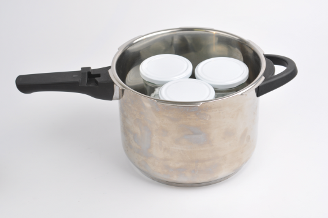
Bei PF Tek sterilisieren manche Grower ihre Substratgläser erfolgreich im einfachen Wasserbad oder per Dampfsterilisation, die Ergebnisse schwanken jedoch. Ein Schnellkochtopf sorgt für eine deutlich zuverlässigere Sterilisation und wird für jede Arbeit mit Getreide oder Bulk-Substraten dringend empfohlen. Gerade Getreide muss die volle Sterilisationstemperatur erreichen, und das gelingt zuverlässig nur mit einem Schnellkochtopf. Unsere Anleitung so verwendest du einen Schnellkochtopf für Pilzsubstrat erklärt Ablauf und Ausrüstung im Detail.
Ist die Zucht aus Sporen schwieriger als mit einem Grow Kit?
Ja – aber nicht dramatisch, sobald du die einzelnen Schritte verstanden hast. Die zusätzlichen Herausforderungen sind vor allem Sterilisation, Inokulationstechnik und das frühzeitige Erkennen von Kontaminationen. Für die Zucht von Magic Mushrooms aus Sporen brauchst du mehr Ausrüstung und musst sorgfältiger auf Hygiene achten. Doch hinter jedem Schritt steckt ein logischer Grund, und die meisten Probleme lassen sich vermeiden, wenn du weißt, was Myzel braucht und was ihm schadet. Viele Grower starten mit einem Kit, gewinnen Selbstvertrauen und steigen dann als nächsten Schritt auf die Sporenzucht um. Beide Methoden ergänzen sich gut.
Sporen lagern und langfristig planen
Wie lagere ich meine Sporenspritzen und Vials?
Lagere Sporenspritzen und Vials im Kühlschrank bei 2–8 °C, nicht im Gefrierfach. Bewahre sie in einem verschließbaren Zip-Beutel oder einem luftdichten Behälter auf, um sie vor Kontamination durch Kondenswasser oder versehentlichen Kontakt zu schützen. Lasse bei Spritzen immer die Nadelkappe aufgesteckt und schüttle ein Vial vor der Verwendung nie kräftig – schwenke es sanft, damit sich die Sporen wieder verteilen.
Wichtig: Friere flüssige Sporenformate niemals ein. Beim Einfrieren können die Zellwände der Sporen beschädigt werden, was die Keimfähigkeit deutlich verringert. Der Kühlschrank ist der richtige Lagerort für Spritzen und Vials.
Wie mache ich meinen eigenen Sporenabdruck?
Einen Sporenabdruck von einem reifen Pilz zu machen ist ganz einfach. Schneide den Hut eines reifen Pilzes ab, sobald der Schleier aufreißt, lege ihn mit den Lamellen nach unten auf ein Stück Alufolie oder Papier an einem ruhigen, zugfreien Ort und stülpe eine Schüssel darüber, damit keine Luftbewegung das Muster stört. Lass ihn 4–12 Stunden liegen und hebe den Hut dann vorsichtig ab. Die Sporen sind in einem Muster, das der Lamellenstruktur entspricht, auf die Folie gefallen. Falte die Folie vorsichtig zusammen, lege sie in einen verschlossenen Umschlag und bewahre sie an einem kühlen, trockenen Ort auf. Unsere ausführliche Anleitung so machst du einen Sporenabdruck beschreibt jeden Schritt.
Welche Sorten gibt es als Sporen?
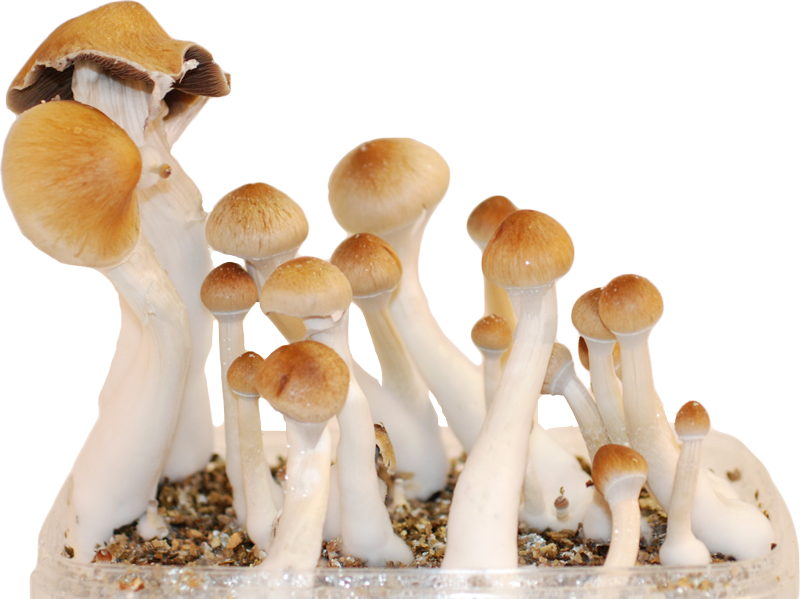
Die Auswahl an Psilocybe-cubensis-Sorten als Sporen ist deutlich größer als das Sortiment an Grow Kits. Beliebt sind unter anderem Mazatapec, B+, Golden Teacher, McKennaii, Cambodian, Thai und viele weitere. Jede Sorte hat ihre eigenen Eigenschaften beim Durchwachsen und im Wachstum, der Zuchtprozess ist aber bei allen Psilocybe-cubensis-Varianten derselbe. Für deine erste Sporenzucht ist eine bewährte, unkomplizierte Sorte eine kluge Wahl – Mazatapec und B+ werden Anfängern wegen ihres robusten Myzels und der zuverlässigen Fruchtung häufig empfohlen.
Alles im Überblick
Magic Mushrooms aus Sporen zu züchten folgt einem klaren Weg: Du wählst dein Sporenformat, bereitest dein Substrat vor und sterilisierst es, beimpfst unter sauberen Bedingungen, lässt es bis zum vollständigen Durchwachsen inkubieren und löst dann mit den richtigen Umgebungsbedingungen die Fruchtung aus. Jede Phase hat ihre eigenen Anforderungen, doch keine davon überfordert einen sorgfältigen und geduldigen Grower.
Die wichtigsten Gewohnheiten sind steriles Arbeiten und Geduld. Die meisten Fehlschläge beim Züchten von Magic Mushrooms aus Sporen entstehen durch Kontamination bei der Inokulation oder dadurch, dass das Durchwachsen und die Fruchtung überstürzt werden. Nimm dir Zeit, arbeite sauber, und der Prozess wird dich belohnen.
Eine umfassende Schritt-für-Schritt-Erklärung der kompletten PF-Tek-Methode – von der Substratvorbereitung bis zur Ernte – findest du in unserer PF-Tek-Anleitung. Alle Details zur Sterilisation, zu Materialien und Methoden, erklärt unser Sterilisations-Guide.
Bereit, aus Sporen zu züchten? Entdecke unser komplettes Sortiment an Sporenspritzen und Vials und such dir deine Sorte aus.
Hinweis: Wenn du an einer psychischen Erkrankung leidest und dich für Psilocybin oder eine andere psychedelische Therapie interessierst, sprich bitte zuerst mit einer zuständigen medizinischen Stelle. Verordne dir nichts selbst – bei der Anwendung von Psychedelika als Medizin sind die richtige Unterstützung und Begleitung unverzichtbar.


October 9, 2016