
Sie haben keine Artikel in Ihrem Warenkorb.
Psilocybin-Wissenschaft & News
Bleib auf dem Laufenden über Psilocybin-Forschung und psychedelische Wissenschaft. Hier findest du leicht verständliche Erklärungen, Studienanalysen und News zu Therapie, Sicherheit und neuen Entdeckungen rund um Magic Mushrooms.
-
Psilocybin-Microdosing in der Palliativversorgung gilt als eines der vielversprechendsten Felder der psychedelischen Medizin. Eine kanadische klinische Studie aus dem Jahr 2026 hat gezeigt: 69 % der Patient:innen mit…
-
Eine neue Studie, veröffentlicht in Nature Communications (Mai 2026), hat gezeigt: Eine einzige Dosis Psilocybin – der Wirkstoff in Magic Mushrooms und Magic Truffles – führt zu nachhaltigen Veränderungen im Gehirn…
-
Warum Magic Mushrooms Halluzinationen auslösen: Dein Gehirn beginnt im Wachzustand zu träumen
May 7, 2026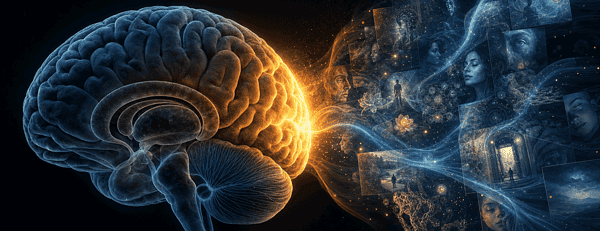
Warum lösen Magic Mushrooms Halluzinationen aus? Eine Neurowissenschafts-Studie von 2026 liefert endlich die Antwort – und sie ist so poetisch wie präzise. Dein Gehirn erfindet Halluzinationen nicht aus dem Nichts. Es…
-

Psilocybin bei Clusterkopfschmerz klingt radikal. Doch seit mehr als zwanzig Jahren nutzen Menschen mit Clusterkopfschmerz — allgemein als eine der schmerzhaftesten Erkrankungen der Medizin geltend — ganz im Stillen…
-
Magic Mushrooms in Indien legal? Gericht in Kerala entscheidet: Kein Betäubungsmittel
April 25, 2026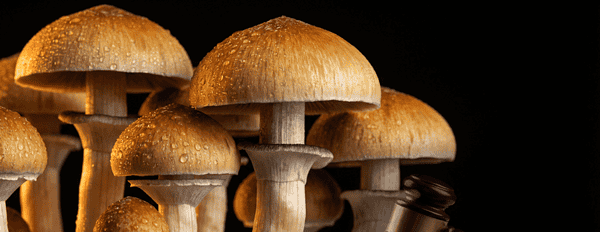
Im Januar 2025 sorgte ein wegweisendes Urteil weltweit für Schlagzeilen zum Thema Magic Mushrooms in Indien und deren Legalität. Der Kerala High Court entschied, dass psilocybinhaltige Pilze nach dem strengen indischen…
-
Lanmaoa Asiatica — Der Pilz der winzigen Männchen | Wissenschaft, Wirkung & Alternativen
April 23, 2026
In diesem Artikel: Lanmaoa asiatica ist ein Wildpilz aus Yunnan in China, der eine der seltsamsten jemals dokumentierten Halluzinationen auslöst — lebhafte, täuschend echte Visionen von winzigen Menschen, nur 2 cm groß,…
-
Trumps Psychedelika-Executive-Order: Was sie für Magic Mushrooms und mentale Gesundheit bedeutet (2026)
April 21, 2026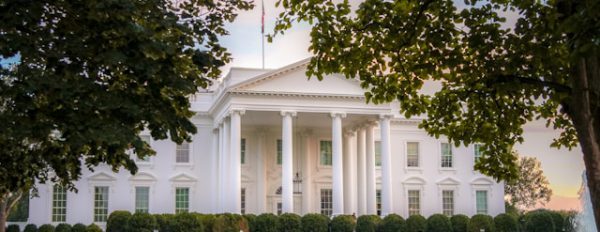
In diesem Artikel: Am 18. April 2026 hat US-Präsident Trump eine historische Executive Order zu Psychedelika unterzeichnet. Darin werden FDA, DEA und das Veteranenministerium (VA) angewiesen, Forschung und Zugang zu…
-

Seit dem 1. Januar 2026 erlaubt Tschechien die Psilocybin-Therapie in Tschechien für Patienten mit therapieresistenter Depression. Psychiater dürfen jetzt unter strengen klinischen Auflagen synthetisches Psilocybin…
-
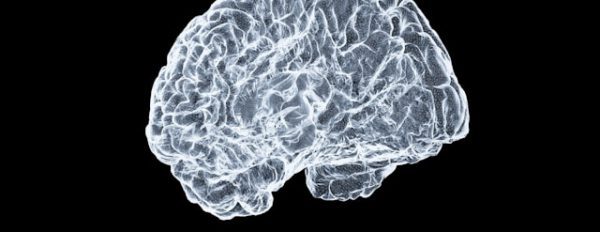
In diesem Artikel: Im April 2026 erschien in Nature Medicine die bisher größte Psychedelika-Studie zum Gehirn. Forschende aus fünf Ländern haben mehr als 500 Hirnscans ausgewertet. Das Ergebnis: Psilocybin, LSD,…


