
You have no items in your shopping cart.

Myths & Misconceptions About Psychedelics: The Truth Behind 8 Common Claims
Posted under: Psilocybin Science & News
Debunking the Most Common Myths and Misconceptions About Psychedelics (2026 Update)
Psychedelics have been surrounded by fear, rumour, and misinformation for decades. Much of what most people "know" about them was shaped not by science, but by political campaigns from the 1970s — campaigns designed to discourage use rather than inform. Today, with research from universities like Johns Hopkins and Imperial College London producing serious data, we have the tools to look at these myths more honestly.
In this guide: We examine the most widespread myths and misconceptions about psychedelics — from addiction claims to the "brain damage" narrative — and set the record straight using what current science actually shows.
This is not a promotion of psychedelic use. It is an attempt to ensure that anyone curious about these substances has access to accurate information, not propaganda.
Why Myths About Psychedelics Persist
To understand why so much misinformation surrounds psychedelics, it helps to know a little history. In the 1960s and early 1970s, substances like LSD and psilocybin were being seriously researched at major institutions. Then came the War on Drugs. In 1970, the US Controlled Substances Act classified LSD and psilocybin as Schedule I drugs — meaning, officially, high potential for abuse and no accepted medical use. This classification effectively halted research for nearly thirty years.

During that gap, public education about these substances was almost entirely shaped by anti-drug campaigns. Sensational stories circulated — often false or heavily distorted — and became embedded in popular culture. Many of those stories are still being repeated today, despite being thoroughly challenged by modern research.
Understanding the myths about psychedelics also requires understanding what psychedelics actually are. Our introductory article on the most common types of psychedelics gives a clear overview for those starting from scratch.
Myth 1: Psychedelics Are Highly Addictive
This is perhaps the most persistent and most thoroughly disproven myth about psychedelics. Classic psychedelics — including psilocybin, LSD, and mescaline — do not produce physical dependence. The body does not develop a craving for them in the way it does for alcohol, nicotine, opioids, or stimulants.
In fact, psychedelics produce rapid tolerance — meaning the more frequently you use them, the less effect they have. This makes compulsive daily use essentially self-defeating. Most people who have had one strong psychedelic experience are not rushing to repeat it immediately — quite the opposite. Many report a natural desire to integrate and reflect before considering another experience.
Furthermore, emerging research suggests that psilocybin may actually help reduce addiction to other substances. Clinical trials at Johns Hopkins have shown promising results for psilocybin in treating nicotine and alcohol dependence. The idea that psychedelics are addictive is not only false — it is almost the reverse of what the evidence shows.
Myth 2: Psychedelics Cause Brain Damage
This fear gained traction in the 1970s, partly from poorly designed animal studies involving extremely high doses administered very differently from how humans typically use these substances. The image of "frying" or permanently damaging the brain became a cultural fixture.
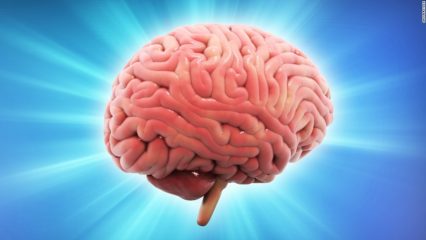
Modern neuroimaging tells a different story. Research using fMRI and other scanning technologies consistently shows that psychedelics do not produce structural brain damage. In fact, several studies suggest the opposite — that psilocybin may promote neuroplasticity, the brain's ability to form new connections. A study published in Neuropharmacology (2021) found that psilocybin increased neuroplasticity markers in animal models, suggesting potential therapeutic applications for conditions where the brain has become "stuck" in unhelpful patterns.
This is, of course, not an argument that psychedelics carry zero risk. However, the risk profile looks very different from the "brain-frying" narrative of anti-drug propaganda.
Myth 3: Psychedelics Are a Gateway Drug
The "gateway drug" theory holds that using one substance inevitably leads to using harder, more dangerous ones. Applied to psychedelics, this suggests that someone who uses psilocybin mushrooms is on a slippery slope toward heroin or methamphetamine.

The evidence does not support this. Several large population studies have found no link between psychedelic use and increased use of other drugs. In fact, some studies — including a large analysis published in the Journal of Psychopharmacology — found that people who had used classic psychedelics were less likely to develop problems with other substances.
The gateway theory also misunderstands the nature of psychedelic experiences. Rather than creating a craving for more intense stimulation, psychedelic experiences often prompt reflection, reconsideration, and in many cases a desire to live more healthily. This does not fit the gateway model at all.
Myth 4: A Bad Trip Causes Lasting Psychological Harm
Difficult psychedelic experiences — sometimes called "bad trips" — are real. They can involve intense anxiety, confusion, paranoia, or distressing imagery. These experiences are not pleasant while they are happening. However, "difficult" is not the same as "permanently harmful."
The research on this is nuanced. Most people who have difficult psychedelic experiences report, in retrospect, that they were among the most personally meaningful and even beneficial experiences of their lives — precisely because they were challenging. The confrontation with difficult emotions or thoughts, when processed well, can lead to significant psychological insights.
The risk of genuine lasting psychological harm is real but rare, and it is most strongly associated with pre-existing vulnerability (particularly a personal or family history of psychosis), use of very high quantities, and use without appropriate support or context. This is why set and setting — explored in our article on set and setting — are so important, and why responsible harm reduction frameworks emphasise preparation and support.
Myth 5: People on Psychedelics Are Dangerous
Popular culture has produced a handful of dramatic stories about people on psychedelics behaving violently or dangerously. These stories exist, but they are statistically rare and almost always involve either a misidentified substance, polydrug use (particularly combinations with stimulants or alcohol), or underlying psychiatric conditions.
In controlled settings, the profile of psychedelic experiences is very different. Most people become reflective, introspective, and still during a psychedelic experience. Aggression is extremely uncommon — in fact, classic psychedelics appear to reduce aggression. Studies have found that psilocybin reduces activity in the amygdala, the brain region associated with threat response and reactive behaviour.
The "dangerous person on psychedelics" narrative is largely a media creation, built on exceptional cases that are not representative of typical psychedelic experiences.
Myth 6: You Will See Things That Are Not There
The idea that psychedelics produce vivid hallucinations in which people genuinely believe they are seeing things that are physically present is a significant oversimplification. What most people experience at typical doses is better described as altered perception — changes in how existing things look, feel, or sound — rather than full sensory hallucinations.
Colours may appear more vivid. Patterns may emerge on surfaces. Closed-eye visuals can be rich and complex. But most people remain aware, at some level, that these experiences are internal and perceptual rather than external and physical. This is quite different from the popular image of someone genuinely convinced that the furniture is alive and attacking them.
At very high doses, the distinction between inner and outer experience can blur more significantly. However, this again underscores the importance of intentional, informed use rather than being evidence that psychedelics are inherently terrifying.
Myth 7: Psychedelics Are Only for Counterculture
The cultural association of psychedelics with 1960s counterculture has created a persistent image of psychedelic users as a narrow demographic — young, rebellious, outside the mainstream. The reality is far more diverse.
Indigenous cultures around the world have used psychedelic plants in structured ceremonial contexts for thousands of years. In the modern West, the demographic profile of people interested in psychedelics has shifted significantly. Researchers, therapists, executives, veterans, and retirees are among those turning to these substances — primarily for therapeutic or contemplative purposes.
The growing legitimacy of psychedelic research has also changed public perception. Organisations like MAPS and the Usona Institute have brought clinical rigour to the field, and media coverage has shifted from sensationalism toward genuine scientific reporting. The cultural framing is changing, and the old counterculture associations are becoming less accurate by the year.
Myth 8: Natural Psychedelics Are Always Safe
This myth runs in the opposite direction — the idea that because something comes from nature, it cannot cause harm. Psilocybin mushrooms and other plant-based psychedelics are natural, yes. But natural does not mean risk-free.
The risks associated with classic psychedelics are real, even if they are different from the risks associated with substances like alcohol or opioids. Psychological risk — particularly for people with a personal or family history of psychosis — is the most significant. Preparation, context, and having trusted support available matter enormously. Our article on 9 steps to preparing for a mushroom experience covers these foundational preparations clearly.
Additionally, misidentification of wild mushrooms is a genuine safety issue. Eating the wrong wild mushroom can be extremely dangerous — entirely separately from any psychedelic effect. Always source mushrooms from verified, reliable sources.
What the Science Actually Says
After decades of research prohibition, the evidence base is now growing rapidly. Here is a brief summary of what current science actually shows about classic psychedelics:
None of this means psychedelics are right for everyone or that they should be approached without thought. However, replacing fear-based myths with evidence-based understanding helps people make genuinely informed decisions.
For a deeper look at the relationship between psychedelics and mental health, see our related article on mushrooms and the mind.
Want to learn more? Read our introduction to magic mushrooms or explore magic truffles as a gentler entry point into psychedelic exploration.
Note: If you are suffering from a mental illness and are curious about using psilocybin or any other psychedelic therapy, please consult one of the relevant medical authorities first. Do not self-prescribe — it is vital to have the right support and guidance when using psychedelics as medicine.


September 26, 2022