You have no items in your shopping cart.
What Is Microdosing? The Complete Guide to Microdosing Psilocybin
Posted under: Trip Guides & Preparation
Microdosing is the practice of taking very small, sub-perceptual amounts of a psychedelic substance like psilocybin. You will not trip or hallucinate. Instead, you may notice subtle shifts in mood, focus, and creativity over time. Once a niche practice in Silicon Valley, microdosing has grown into a global movement. Science is finally catching up with what thousands of people have been reporting for years.
This is the complete guide to microdosing psilocybin mushrooms and truffles. We cover what microdosing is, where it came from, what happens in your brain, what science says, the most popular protocols, and how to get started safely. Whether you are completely new or refining your approach, this guide has everything you need.
What Is Microdosing?
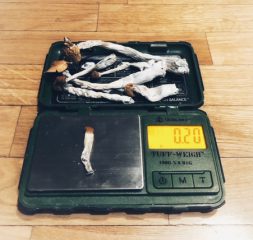
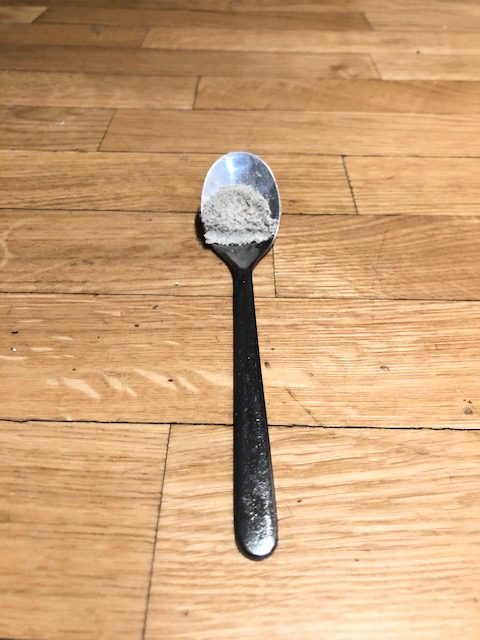
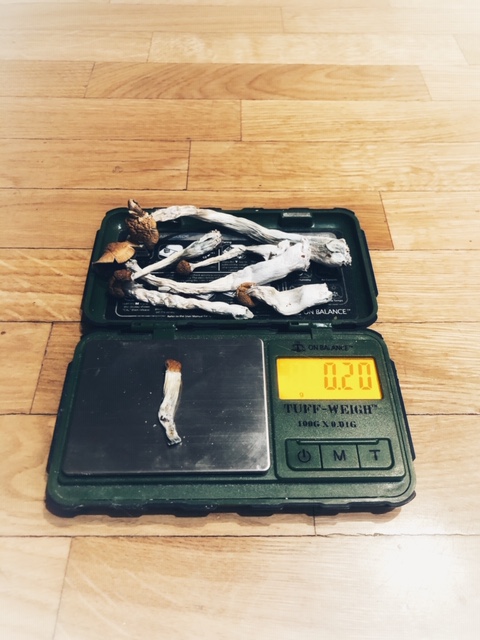
Microdosing means taking a micro (tiny) dose of a psychedelic substance – so small that the effects are sub-perceptual. You will not see visuals, feel a "trip," or experience any impairment. A typical psilocybin microdose ranges from 0.05 g to 0.2 g of dried mushrooms. Compare that to a recreational dose of 2–3.5 g, and the difference is clear.
The goal of microdosing is not to get high. Instead, it gently nudges your brain chemistry in a positive direction. Many people describe it as similar to taking a supplement. You do not notice it in the moment, but over days and weeks, subtle changes appear. These may include improved mood, sharper focus, more creativity, and better emotional balance.
Although the term most commonly refers to psilocybin (the active compound in magic mushrooms and magic truffles), people also microdose with LSD. Both substances produce similar effects at micro-level doses.
| Microdose | 0.05–0.2 g dried mushrooms – sub-perceptual, no trip |
| Low dose | 0.5–1 g – mild effects, enhanced mood and senses |
| Moderate dose | 1–2.5 g – noticeable trip with visuals and introspection |
| High dose | 2.5–5 g – full psychedelic experience |
For a complete breakdown of each dose level, see our magic mushroom trip levels guide and our dosage guide.
Where Did Microdosing Come From?
Humans have used psychedelic mushrooms for thousands of years. As ethnobotanist Terence McKenna proposed in his famous stoned ape theory, even our earliest ancestors may have consumed small amounts of psilocybin. Renowned mycologist Paul Stamets has publicly supported this hypothesis.
In the modern era, Albert Hofmann – the Swiss chemist who first synthesised LSD – reportedly took small daily doses of his creation later in life. However, it was researcher James Fadiman who brought the concept into the open. His 2011 book The Psychedelic Explorer's Guide collected many personal accounts of microdosing and its positive effects. Fadiman also developed the first structured microdosing protocol. It remains the most widely used today.
The practice then exploded into mainstream awareness around 2015. Professionals in Silicon Valley openly credited microdosing with boosting creativity, productivity, and problem-solving. Since then, microdosing has spread far beyond the tech world. Today, people from all walks of life – artists, athletes, parents, therapists, and entrepreneurs – use it as a tool for wellbeing and personal growth.
What Happens in Your Brain?
To understand microdosing, it helps to know what psilocybin does in the brain. Psilocybin is converted into psilocin, which binds to serotonin receptors – particularly the 5-HT2A receptor. This triggers a cascade of effects on mood, perception, and cognition.
At full doses, psilocybin disrupts the default mode network (DMN). This is the brain network responsible for your sense of self, habitual thought patterns, and internal monologue. The disruption is what causes "ego dissolution" during a full trip. A 2024 study in Nature confirmed that psilocybin causes lasting changes in brain connectivity, visible weeks after a single dose.
At microdose levels, the effects are much subtler. Instead of disrupting the DMN dramatically, a microdose gently enhances neuroplasticity – the brain's ability to form new connections. As a result, many microdosers report thinking more flexibly, breaking out of negative thought loops, and seeing problems from fresh angles. If you are interested in how this relates to meditation, we explore that connection in a separate guide.
What Are the Reported Benefits?
Thousands of microdosers worldwide report a wide range of benefits. A large-scale 2022 study in Nature Scientific Reports followed over 1,000 participants. It found that psilocybin microdosers showed greater improvements in mood, reduced depression and anxiety, and better psychomotor performance compared to controls over 30 days.
The most commonly reported benefits include:
Tip: Keep a daily journal when you start microdosing. Note your mood, energy, creativity, and sleep on both dosing and non-dosing days. Over a few weeks, patterns will emerge that help you find the right dose and schedule.
What Does Science Say?
Research into psychedelics was effectively frozen for decades after the US "war on drugs" began in 1971. For many years, scientists fought for the right to study these substances. Fortunately, we are now in the middle of what researchers call the "Psychedelic Renaissance." Microdosing is a major area of study.
Positive Findings
Several studies paint a promising picture. The large observational study in Nature Scientific Reports (2022) found small to medium improvements in mood, emotional wellbeing, and cognition for microdosers compared to controls. These effects were consistent regardless of pre-existing mental health conditions.
In addition, a 2025 phase 3 clinical trial is now testing psilocybin microdoses (2–3 mg daily, four days per week) for patients with advanced illness. The preceding phase 2 trial found dramatic improvements with minimal side effects. Meanwhile, Health Canada approved the first-ever clinical trial studying at-home psilocybin microdosing for generalised anxiety disorder in 2025.
A 2026 study in the Journal of Psychedelic Medicine found that even a single 1 mg dose of psilocybin led to a significant reduction in depression scores. This suggests that even very low doses may have measurable effects.
The Placebo Question
Not all studies are positive. A double-blind study from Leiden University found that microdosing did not reduce depression or anxiety scores compared to placebo. However, the researchers noted a strong generic placebo effect. Simply expecting to be in a microdosing trial improved wellbeing for both groups.
Similarly, a 2022 double-blind study with 34 participants found no significant acute effects from psilocybin microdosing compared to placebo. The expectancy effect appeared to account for much of the benefit people reported.
This is an important nuance. The science is still young, and results are mixed. However, larger controlled trials are now underway. The coming years will likely provide much clearer answers.
⚠️ Important: While psilocybin appears safe at microdose levels, it can amplify anxiety or other underlying conditions in some people. Therefore, consult a medical professional before starting if you have a pre-existing condition.
Microdosing Protocols
A microdosing protocol is simply a schedule that tells you when to dose and when to rest. Rest days are essential – they prevent tolerance and give you time to observe the effects. Here are the three most popular protocols:
The Fadiman Protocol
Developed by James Fadiman, this is the most widely used microdosing schedule. It follows a simple three-day cycle:
| Day | Action |
|---|---|
| Day 1 | Microdose day – take your dose in the morning |
| Day 2 | Transition day – observe any after-effects |
| Day 3 | Normal day – no effects, baseline comparison |
| Day 4 | Repeat from Day 1 |
Follow this cycle for 4–8 weeks, then take a 2–4 week break. This protocol works well for beginners. The two rest days give you clear contrast between dosing and non-dosing states.
The Stamets Stack
Developed by mycologist Paul Stamets, this protocol combines psilocybin with two other substances:
The schedule is four days on, three days off. Stamets believes the combination creates a synergistic effect on neurogenesis – the growth of new brain cells. Follow this for 4 weeks, then take 2–4 weeks off.
An important detail: the Stamets Stack requires the flush variety of niacin, based on nicotinic acid. This form causes a temporary warm, tingling sensation in the skin. According to Stamets, this flush response helps dilate blood vessels and supports distribution of psilocybin and lion's mane to the peripheral nervous system. The "no-flush" variety of niacin does not produce this effect and is not suitable for the stack.
Every-Other-Day Protocol
This simple schedule means dosing every other day – for example Monday, Wednesday, Friday. It provides more frequent dosing than the Fadiman protocol. Follow for 6–8 weeks, then take a 2–4 week break.
| Fadiman | 1 day on, 2 days off – best for beginners |
| Stamets Stack | 4 days on, 3 days off – includes lion's mane and niacin |
| Every-Other-Day | Dose every other day – simple and flexible |
Tip: Start with the Fadiman Protocol. It is the simplest, best documented, and gives you the clearest feedback. After a few cycles, you can try the Stamets Stack or switch to an intuitive approach.
How to Start Microdosing
Getting started with microdosing is straightforward. Here is a step-by-step approach:
1
Choose your source
Choose your source
You can microdose with dried magic mushrooms, fresh magic truffles, or pre-measured microdosing packs. Pre-measured packs are the easiest option for beginners, because the dose is already precise.
2
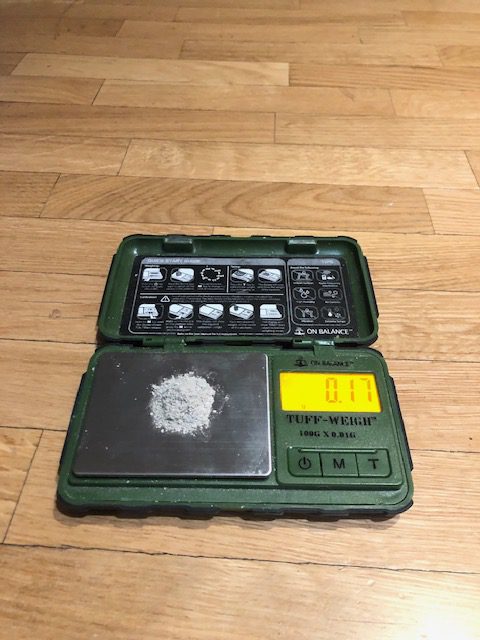
Get a precision scale
Get a precision scale
If you measure your own doses, invest in a digital scale accurate to 0.01 g. Consistent dosing is essential. Even small variations can make a noticeable difference.
3
Start low
Start low
Begin with 0.05–0.1 g of dried mushrooms. You can gradually increase to 0.15–0.2 g over the first week or two if effects are too subtle. The goal is to find the dose where nothing perceptual happens, but improvements emerge over time.
4
Pick a protocol
Pick a protocol
Choose one of the protocols above. The Fadiman Protocol is the best starting point. Take your dose in the morning, on a day without high-pressure commitments.
5
Journal daily
Journal daily
Track your mood, focus, energy, sleep, and any physical sensations. Note what changes on dosing days, transition days, and rest days. This data helps you fine-tune your approach.
6
Take breaks
Take breaks
After 4–8 weeks, stop for at least 2–4 weeks. This prevents tolerance and allows you to assess the overall impact on your life.
Microdosing and Your Set and Setting
Although microdosing does not produce a trip, your mindset and environment still matter. Take your microdose on a calm morning when you can observe its effects. Avoid combining it with alcohol, caffeine, or other substances during your first few weeks.
In addition, think about what you want from microdosing. Setting an intention – even a simple one like "I want to be more present" – can guide the subtle shifts you experience. For more on the importance of set and setting, see our dedicated guide. If you want to bring more structure and ritual to your practice, our guide on turning your trip into a ceremony is also helpful.
Microdosing vs. a Full Trip
Microdosing and a full dose of magic mushrooms are very different experiences. Here is how they compare:
| Aspect | Microdosing | Full trip |
|---|---|---|
| Dose | 0.05–0.2 g | 2–5 g |
| Perception | Sub-perceptual, no visuals | Altered perception, visuals, ego shifts |
| Duration | Background effects throughout the day | 4–6 hours of intense experience |
| Frequency | Every 2–3 days for weeks | Occasional (weeks or months apart) |
| Daily life | Fully functional | Not functional during the experience |
| Best for | Ongoing wellbeing, focus, mood | Deep introspection, breakthroughs |
Some people combine both approaches: regular microdosing for daily wellbeing, with an occasional full-dose ceremony for deeper exploration. If you are considering a full trip, read our 9 steps to a safe magic mushroom trip first.
Safety and Legal Considerations
Psilocybin has a strong safety profile at microdose levels. Unlike many pharmaceutical medications, it does not cause physical dependence or withdrawal. However, there are important things to keep in mind:
⚠️ Note: If you suffer from a mental health condition and are curious about psilocybin, please consult a qualified medical professional first. Do not self-prescribe. Proper support and guidance are essential when using psychedelics therapeutically.
Getting Started with Microdosing
If you are ready to explore microdosing, here are your options at our shop:
Ready to start microdosing? Visit our Microdosing Section for ready-to-use truffle packs, grow kits, and everything you need to begin with confidence.


January 17, 2026