
You have no items in your shopping cart.

Casing Technique for Magic Mushrooms: Step-by-Step Guide (2026 Update)
Posted under: Growing & Cultivation
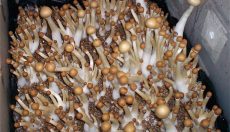
How to Apply a Casing Layer to Your Magic Mushroom Substrate — Complete Guide (2026 Update)
Most beginner growers skip the casing layer entirely — and then wonder why their second and third flushes disappoint. The casing technique for magic mushrooms is one of the most effective ways to maintain moisture, stimulate pinning, and extend the productive life of a colonised substrate. If you have already grown a flush or two from PF Tek cakes or a bulk substrate, this guide will show you exactly when and how to apply a casing layer to get more from every grow.
In this guide: What a casing layer is, why growers use the casing technique for magic mushrooms, what materials to use, how to prepare and sterilise your mix, and a step-by-step application walkthrough.
This guide covers casing for both PF Tek cakes and bulk substrates such as rye grain or straw.
What Is a Casing Layer?
A casing layer is a thin, non-nutritive top layer placed over a fully colonised substrate. It does not feed the mycelium directly. Instead, it acts as a moisture buffer and a physical trigger that encourages the mycelium to form pins — the very first stage of mushroom development. Understanding the casing technique for magic mushrooms starts here.
In nature, magic mushrooms typically fruit when the buried mycelium reaches a layer of soil or organic debris near the surface. The casing technique recreates this signal indoors. When mycelium senses a loose, moist, low-nutrient material above it, it responds by switching from vegetative growth to reproductive growth — and mushrooms begin to form.
Because of this, the casing layer is especially useful after the first flush, when the surface of your substrate has dried out and lost its structure. Applying a fresh casing layer at this stage can revive pinning activity that would otherwise stop altogether.

Why Use the Casing Technique for Magic Mushrooms?
There are several reasons experienced cultivators include a casing layer as a standard step in their process. The casing technique for magic mushrooms delivers three main advantages, and understanding each one helps you decide when it is worth the effort.
Better Moisture Retention
Exposed substrate dries out surprisingly fast, particularly if you are misting and fanning regularly for fresh air exchange. A casing layer acts as a sponge on top of the cake or bed, absorbing the moisture you add and releasing it slowly into the substrate below. This reduces the frequency of misting required and prevents the surface from cracking — a common cause of reduced pinning.
Stimulated Pinning
Mycelium that has been growing aggressively through a grain or rice flour substrate will sometimes stall after the first flush. It has already explored every corner of the available food source and needs a new stimulus. A casing layer provides exactly this: a fresh surface to colonise, followed by the signal to switch into fruiting mode. Many growers report significantly more pins appearing on cased substrates compared to uncased ones.
Protection Against Contamination
A layer of sterilised casing material creates a physical barrier between the colonised substrate and the air. This can slow the spread of any surface contamination that enters your grow space. It is not a substitute for proper contamination prevention, but it adds a useful buffer. Consequently, many bulk cultivators case their beds as a standard hygiene measure.
What to Use as a Casing Material
The ideal casing mix is water-retentive, low in nutrients, easy to sterilise, and pH-neutral or slightly alkaline. Several materials meet these criteria, and many growers combine two or more to achieve the best balance of structure and moisture retention.
Vermiculite
Vermiculite is the most commonly used casing material, and for good reason. It holds water extremely well, has a neutral pH, and is essentially sterile straight from the bag. You can use it on its own for a simple casing, or mix it with other materials for better structure. Vermiculite Grade 3 is well suited for casing work — the medium particle size retains moisture without becoming waterlogged.
Peat Moss and Vermiculite Mix
A popular grower combination is 50% peat moss and 50% vermiculite. Peat holds moisture for longer periods and creates an excellent environment for pins to develop. However, peat is naturally acidic. Therefore, growers adjust the pH upward by adding a small amount of hydrated lime (calcium hydroxide) to bring the mix to around pH 7–7.5. This step is important — mycelium does not thrive in acidic environments, and a casing that is too acidic will suppress rather than stimulate fruiting.
Coco Coir
Coconut coir (the fibrous husk of coconuts) is another excellent casing option. It holds moisture well, is low in nutrients, and is widely available. Many cultivators mix coco coir with vermiculite in a 1:1 ratio for a light, airy casing that drains well and still retains enough moisture for consistent pinning.
Tip: Whatever material you choose, always sterilise or pasteurise your casing mix before applying it. Unsterilised materials can introduce mould, bacteria, or competitor fungi that will outcompete your mycelium. See our guide on sterilising cultivation materials for full instructions.
How to Prepare Your Casing Mix
Preparing the casing layer correctly is just as important as applying it. A poorly prepared mix — too wet, too dry, or unsterilised — will cause more problems than it solves. Here is the standard preparation process.
1
Mix Your Chosen Materials
Mix Your Chosen Materials
Combine your casing materials in a clean bowl or container. A straightforward starting point is one part vermiculite to one part coco coir, or a 50/50 peat and vermiculite blend. If you are using peat, add a small pinch of hydrated lime at this stage and mix thoroughly.
2
Adjust Moisture Level
Adjust Moisture Level
Add water gradually and mix as you go. The target consistency is field capacity — when you squeeze a handful of the mix, only a few drops of water should fall. If water streams out freely, the mix is too wet. If it crumbles apart, it needs more water. Getting this right takes a little practice, but it becomes intuitive quickly.
3
Sterilise the Mix
Sterilise the Mix
Place the mix in a heat-resistant container or oven bag and sterilise it. For pressure cooking, process for 30–45 minutes at 15 PSI. If you do not have a pressure cooker, pasteurisation at 80°C for 90 minutes is a suitable alternative for less contamination-prone recipes like straight vermiculite. Our guide on using a pressure cooker for mushroom substrate walks through the full process.
4
Allow to Cool Completely
Allow to Cool Completely
After sterilisation, let the casing mix cool to room temperature before using it. Applying a hot or warm casing directly to mycelium can damage or kill it. In addition, a warm surface creates condensation that can encourage bacterial contamination. Allow at least four to six hours of cooling, or leave the container sealed overnight.
How to Apply the Casing Technique for Magic Mushrooms
With your mix prepared and cooled, you are ready to apply the casing layer. The process differs slightly depending on whether you are casing PF Tek cakes or a bulk substrate tray.
Casing PF Tek Cakes
After your first flush and a dunk-and-roll, or when the surface of a cake looks dry and inactive, apply the casing technique as follows. Work in a clean environment — wipe down your surfaces and wash your hands. Place the colonised cake on a clean sheet of foil or in a fruiting tray. Gently press a layer of prepared casing mix — approximately 5–10 mm thick — over the top and sides of the cake. You do not need to cover the very bottom. Return the cake to your fruiting chamber, maintain normal temperature and humidity, and watch for new pins to appear within a few days. For more on the PF Tek process itself, see our complete PF Tek guide.
Casing a Bulk Substrate Tray
For bulk grows — grain spawn mixed into straw, manure, or coco coir substrate in a flat tray — the casing technique is applied once the substrate is fully colonised (white with mycelium throughout). Wait until colonisation is complete before casing. Then, spread a 10–15 mm layer of your prepared casing mix evenly over the surface of the tray. Do not press it down hard; the mycelium needs air pockets to breathe. Place the tray back in your fruiting chamber and maintain fresh air exchange through regular fanning. Pins typically appear through the casing within 5–10 days at the right temperature.
Tip: Keep the casing surface evenly moist but not saturated. Light daily misting is usually sufficient. Avoid pooling water, which can lead to bacterial wet rot — a common reason for failed flushes.
When to Case: Timing Matters
Applied correctly, the casing technique for magic mushrooms works best when timed precisely. If you case too early — before colonisation is complete — you risk trapping contamination under the layer or disrupting healthy mycelial growth. If you case too late, after the substrate has dried out entirely, you may not get the pinning response you are hoping for.
The ideal window is when the top surface of the substrate is fully colonised but has not yet started showing signs of premature fruiting or cracking. For bulk trays, this is typically 10–14 days after mixing grain spawn into the bulk substrate. For PF Tek cakes, apply the casing after the first harvest and a standard dunk, when you are preparing the cake for its second flush cycle.
Temperature also plays an important role. The mycelium needs to be at the right fruiting temperature — typically 23–26°C for most cubensis strains — before pinning will occur through the casing. If your grow space is too cold, consider using a heat mat. For guidance on temperature management, see our post on the best temperature to grow magic mushrooms.
Overall, the casing technique for magic mushrooms is one of the most reliable ways to extend the productive life of your substrate — but only when timing, moisture, and environment are all in check.
Troubleshooting Common Casing Problems
Mycelium Is Not Pinning Through the Casing
First, check that colonisation was truly complete before you applied the casing. If not, give it more time. Next, verify that the temperature is correct and that you are providing adequate fresh air exchange. Mycelium that grows but does not pin is often in a space with too much CO₂ and not enough oxygen. Increase fanning frequency and check for any sealing issues in your fruiting chamber.
The Casing Surface Is Going Green or Black
Green patches typically indicate Trichoderma mould — a very common contamination in grows where the casing was not properly sterilised. Unfortunately, once Trichoderma takes hold it spreads quickly and can be difficult to contain. Remove contaminated sections immediately, clean your tools, and review your sterilisation process. Our guide on mushroom grow kit contamination covers how to identify and respond to different contaminants.
The Casing Is Too Wet or Waterlogged
Reduce or stop misting temporarily and increase airflow to dry the surface slightly. In future preprations, squeeze more water out of the mix before applying it. A waterlogged casing starves the mycelium of oxygen and creates the conditions for bacterial contamination.
Ready to start using the casing technique? Pick up Vermiculite Grade 3 and browse our full range of magic mushroom grow kits — everything you need to take your cultivation to the next level.
Note: If you are suffering from a mental illness and are curious about using psilocybin or any other psychedelic therapy, please consult one of the relevant medical authorities first. Do not self-prescribe — it is vital to have the right support and guidance when using psychedelics as medicine.


February 28, 2015