
Votre panier est vide.
Collection de plantes naturelles : le guide des plantes et botaniques
Publié sous: Plantes ethnobotaniques & highs naturels
Le guide des plantes naturelles et des produits botaniques disponibles chez Magic Mushrooms Shop (mise à jour 2026)
Magic Mushrooms Shop est surtout connu pour ses kits de culture de champignons magiques et ses truffes magiques, mais notre
va bien au-delà des produits à base de psilocybine. Depuis des années, nous proposons une sélection de plantes et de produits botaniques qui reflètent les mêmes valeurs que celles qui nous animent : des produits de qualité, des informations honnêtes et du respect pour le monde végétal. Ce guide te présente cette collection et t'explique ce qui rend chaque produit intéressant à connaître.
Dans ce guide : un aperçu des plantes naturelles et des produits botaniques disponibles chez Magic Mushrooms Shop, de ce qu'ils sont et de leurs usages traditionnels.
Que tu sois un curieux qui débute ou un passionné expérimenté, tu trouveras forcément quelque chose à explorer ici.
Pourquoi des plantes naturelles ?
Les plantes et les champignons accompagnent les cultures humaines depuis des milliers d'années, que ce soit pour soigner, pour les cérémonies, pour se détendre ou pour élargir la conscience. L'intérêt actuel pour les psychédéliques et les plantes médicinales est, à bien des égards, la redécouverte d'un savoir ancestral. Chez Magic Mushrooms Shop, nous considérons les plantes naturelles comme faisant partie de la même histoire que les champignons et truffes magiques : des plantes et des champignons qui ont façonné l'expérience humaine à travers les cultures et les siècles.
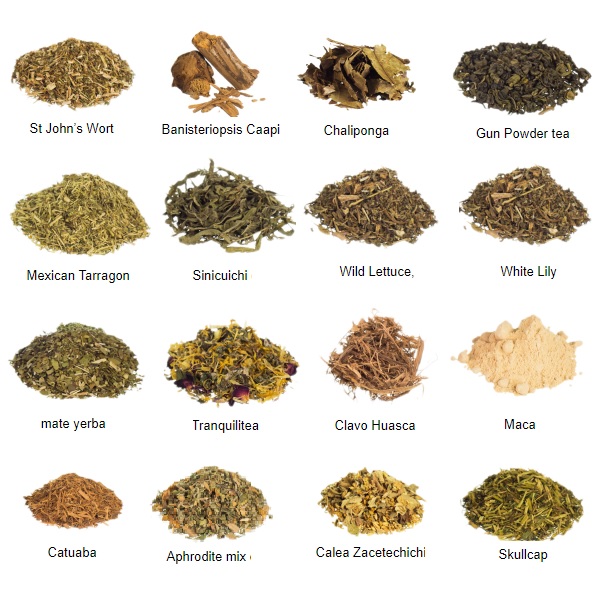
Notre collection de plantes naturelles réunit des produits botaniques dont l'usage traditionnel est bien documenté, avec des descriptions claires et honnêtes. Nous ne surestimons pas les effets de ces plantes. Nous préférons te donner des informations justes et te laisser prendre tes propres décisions.
Lotus bleu (Nymphaea caerulea)
Le
est l'une des plantes les plus marquantes de notre collection sur le plan historique. Utilisée pendant des milliers d'années dans l'Égypte antique, la fleur de lotus bleu était associée au dieu soleil Râ et aux états de conscience modifiés. On la retrouve dans les hiéroglyphes et les peintures funéraires, souvent représentée en train d'être respirée ou consommée lors de rituels et de moments de convivialité.

Les composés actifs du lotus bleu, principalement l'aporphine et la nuciférine, agissent sur les récepteurs de la dopamine et produisent des effets psychoactifs légers, décrits comme relaxants, euphorisants et légèrement sédatifs. Le lotus bleu se consomme généralement en infusion, dans du vin ou fumé. Ce n'est en aucun cas une substance fortement psychoactive, mais il a une longue histoire d'usage pour la relaxation et pour améliorer légèrement l'humeur et la perception sensorielle. Nous proposons aussi une
concentrée pour ceux qui préfèrent un extrait plus puissant.
Pour en savoir plus sur le lotus bleu et son histoire, jette un œil à notre guide sur la fleur de lotus bleu.
Lotus bleu extrait | Nymphaea caerulea | 10x - 1 g
 L'extrait 10x de lotus bleu est préparé à partir des fleurs séchées de Nymphaea caerulea
Damiana (Turnera diffusa)
La
est un petit arbuste originaire du Mexique, d'Amérique centrale et des Caraïbes. Ses feuilles sont utilisées depuis des siècles dans la phytothérapie traditionnelle mexicaine et centraméricaine. Les communautés indigènes s'en servaient historiquement comme tonique, comme aphrodisiaque et comme léger booster d'humeur. La plante a été introduite dans l'herboristerie européenne au XIXe siècle et reste très populaire dans les préparations à base de plantes aujourd'hui.
La damiana contient des flavonoïdes, des terpénoïdes et d'autres composés qui contribueraient à ses effets légèrement relaxants et stimulants pour l'humeur. On la prépare généralement en infusion ou on la fume. Elle est souvent associée à d'autres plantes pour accompagner un rituel de détente en soirée.
Damiana | Turnera diffusa | 80 grammes
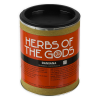 La Damiana agit comme relaxant musculaire, améliore la circulation sanguine et stimule les sens. ...
Kanna (Sceletium tortuosum)
Le
est une plante succulente originaire d'Afrique du Sud, où les peuples San et Khoïkhoï l'utilisent depuis plusieurs centaines d'années au moins, et sans doute bien plus longtemps. Traditionnellement, on le mâchait, le fumait ou le prisait pour réduire le stress, améliorer l'humeur et couper la faim pendant les longues parties de chasse. Aujourd'hui, le kanna attire de plus en plus l'attention dans le monde des plantes médicinales et du soutien naturel de l'humeur.
Les alcaloïdes actifs du kanna, notamment la mésembrine et les composés apparentés, agiraient sur les mécanismes de recapture de la sérotonine dans le cerveau. Cela donne au kanna un profil de type antidépresseur léger, dans le cadre de préparations adaptées. La recherche sur le kanna est encore en cours de développement, mais sa longue histoire d'utilisation offre une base solide de connaissances traditionnelles. Si tu préfères le cultiver toi-même, nous proposons aussi des
.
Racine de valériane (Valeriana officinalis)
La
est l'une des plantes les plus utilisées au monde pour favoriser le sommeil. Sa racine est employée dans l'herboristerie européenne depuis la Grèce et la Rome antiques, et Hippocrate lui-même la recommandait contre les troubles nerveux. Aujourd'hui, elle est surtout connue comme remède naturel contre les difficultés d'endormissement et l'anxiété.
La racine de valériane contient de l'acide valérénique, qui moduleraient les récepteurs GABA du cerveau, les mêmes que ceux ciblés par certains sédatifs pharmaceutiques. Il en résulte un effet calmant et relaxant qui en fait un complément apprécié pour mieux dormir. Elle ne crée pas de dépendance dans le cadre d'une utilisation habituelle et son profil de sécurité est bien établi.
Passiflore (Passiflora incarnata)
La
est une liane originaire du sud-est des États-Unis ainsi que d'Amérique centrale et du Sud. Ses fleurs sont très reconnaissables, et ses parties aériennes (feuilles, fleurs et tiges) sont utilisées depuis longtemps dans la médecine traditionnelle amérindienne, notamment contre l'anxiété et les troubles du sommeil. Elle a aussi été largement employée dans la phytothérapie européenne.
Comme la valériane, la passiflore agirait en partie par modulation des récepteurs GABA. On l'utilise couramment en infusion calmante ou en teinture, souvent associée à la valériane ou à la mélisse pour renforcer l'effet. La passiflore a aussi été utilisée avec la
(une plante contenant des alcaloïdes harmala) dans certaines préparations traditionnelles, une combinaison prisée par ceux qui s'intéressent aux IMAO naturels. Nous proposons également un
concentré.
Wild Dagga (Leonotis leonurus)
Le
est une plante à fleurs originaire d'Afrique australe, où on l'appelle couramment « queue de lion ». Les communautés indigènes de la région l'utilisent à diverses fins : comme relaxant, comme léger euphorisant et, dans certaines traditions, comme plante cérémonielle. Le composé actif, la léonurine, produirait des effets légers proches de ceux du cannabis dans le cadre de préparations adaptées.
Le Wild Dagga se fume généralement ou se prépare en infusion. Ses effets sont plus doux et plus courts que ceux du cannabis, mais beaucoup d'utilisateurs l'apprécient comme relaxant naturel et tout en douceur.
Wild Dagga | Leonotis leonurus | 5 grammes
 Les fleurs de Wild Dagga (Leonotis leonurus) contiennent de la léonurine, un composé aux effets c...
Rue de Syrie (Peganum harmala)
La
joue un rôle important dans plusieurs systèmes de médecine traditionnelle au Moyen-Orient et en Asie centrale. Ses graines contiennent des alcaloïdes bêta-carbolines, dont l'harmine et l'harmaline, qui sont des inhibiteurs réversibles de la MAO (IMAO). Ce sont les mêmes types d'alcaloïdes que ceux de la liane d'ayahuasca (Banisteriopsis caapi).
On parle surtout de la rue de Syrie pour son interaction avec les plantes contenant du DMT : les alcaloïdes IMAO permettent au DMT pris par voie orale de devenir actif, un principe au cœur des préparations d'ayahuasca. Cela dit, les graines de rue de Syrie ont aussi leur propre histoire d'usage traditionnel, comme teinture, encens et plante médicinale, indépendamment de ce contexte. Pour une forme plus concentrée, essaie notre
.
Si tu veux en savoir plus sur l'ayahuasca et ses composants végétaux, notre guide sur l'ayahuasca : histoire, effets, ingrédients et sécurité aborde le sujet en détail.
Important : la rue de Syrie et les autres plantes contenant des IMAO présentent des risques d'interaction importants avec certains aliments, médicaments et autres substances. Si tu prends un traitement, en particulier des antidépresseurs, consulte un professionnel de santé avant d'utiliser des plantes contenant des IMAO.
Comment notre collection de plantes naturelles s'inscrit dans le tableau d'ensemble
Pour un éclairage scientifique plus large sur l'ethnobotanique et l'usage traditionnel des plantes psychoactives, l'aperçu des psychoactifs d'origine végétale publié dans le Journal of Ethnopharmacology est une référence faisant autorité.
Chaque plante de notre collection a sa propre histoire : son passé culturel, ses composés actifs et sa relation avec les humains à travers le temps. Ensemble, elles illustrent quelque chose de plus grand : l'extraordinaire diversité du règne végétal et la façon dont plantes et humains ont co-évolué pendant des millénaires.
Chez Magic Mushrooms Shop, notre intérêt pour les plantes et les champignons naît de la curiosité et du respect. Nous pensons que comprendre d'où viennent ces substances, sur le plan botanique, historique et culturel, rend l'expérience plus riche de sens. C'est pourquoi nous proposons ces produits accompagnés d'informations détaillées sur ce qu'ils sont et sur la façon dont ils ont été utilisés.
Si tu explores le vaste univers des psychédéliques et des plantes médicinales, notre guide sur les types de psychédéliques les plus courants en donne un bon aperçu. Et si le microdosing t'intéresse, notre guide qu'est-ce que le microdosing ? t'explique clairement le concept.
Découvre toute notre
: des plantes séchées aux extraits concentrés, sélectionnées avec soin et décrites honnêtement.
Remarque : si tu souffres d'un trouble mental et que tu t'intéresses à la psilocybine ou à une autre thérapie psychédélique, consulte d'abord un professionnel de santé compétent. Ne t'auto-médique pas : il est essentiel d'être bien accompagné et encadré quand on utilise des psychédéliques comme médicament.


Octobre 1, 2017