
You have no items in your shopping cart.

Blue Lotus Guide: History, Effects & How to Use It
Posted under: Ethnobotanicals & Natural Highs
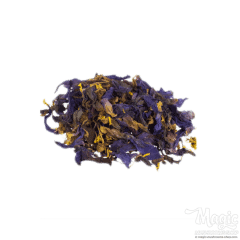
Blue Lotus (Nymphaea caerulea) is one of the most legendary flowers in human history. People love it for its calming, euphoric and dream-enhancing qualities. Moreover, ancient cultures honoured it for thousands of years, especially in Egypt.
In this guide, you will discover the story of Blue Lotus and its active compounds. In addition, you will see how people use it today and how to prepare it at home with dried flowers or tincture.
A Sacred Flower With a Legendary Past
Blue Lotus in Ancient Egypt
In ancient Egypt, Blue Lotus stood as a sacred symbol of the sun and rebirth. The flowers sink below the water at night and rise and open again with the morning light, so they mirror the cycle of the sun.
Egyptian artists often showed the sun god Ra and the healing god Nefertem with Blue Lotus. In many carvings and paintings, Nefertem rises from a Blue Lotus. Therefore people linked the flower with beauty, balance and spiritual awakening.
Temple art, papyri and tomb paintings show people drinking from cups decorated with Blue Lotus. These scenes suggest that people infused the blooms into wine for ritual and festive use, and that they valued both its flavour and its effects.
Archaeologists found dried Blue Lotus flowers in the tomb of Tutankhamun. Texts about the Egyptian afterlife also mention the plant. Together these finds show how people used it in daily life and sacred ceremonies.
From Egypt to Greece and Beyond
Later, Greek writers described a mysterious lotus plant that brought calm, forgetfulness and bliss. Because these descriptions match so well, many researchers think these stories grew from the effects of Blue Lotus.
The Blue Lotus in your products is Nymphaea caerulea, an Egyptian blue water lily. However, many people confuse it with the Sacred Lotus Nelumbo nucifera, which grows mainly in Asia and has round leaves and pink or white flowers.
The Active Alkaloids in Blue Lotus
Apomorphine and Nuciferine
The best known effects of Blue Lotus come from two main alkaloids: apomorphine and nuciferine. Together they shape most of the experience.
| Apomorphine | A dopamine agonist that gently stimulates dopamine receptors. As a result, many people link it to feelings of euphoria, openness and a slightly altered state of awareness. |
| Nuciferine | An alkaloid with calming and sedative properties. It can support relaxation, reduced anxiety and smoother, dream-like states. |
Other Plant Compounds
When you combine these alkaloids, you often get the classic Blue Lotus experience. You feel relaxed but awake, emotionally open and slightly dreamy.
In addition, many people notice more vivid or even lucid dreams when they take it before sleep. They see Blue Lotus as a gentle doorway into the dream world.
The plant also contains related aporphine-type compounds. These extra alkaloids may add to its mild analgesic, anti-inflammatory and mood-supporting profile, although researchers still study them.
Popular Uses of Blue Lotus
People today use Blue Lotus in ways similar to ancient cultures. For example, they reach for it to relax, to deepen inner work, to feel more connected with their body and to explore the world of dreams.
Relaxation and Mood Enhancement
Many people use Blue Lotus as a natural way to wind down in the evening and soften stress. Instead of reaching for alcohol or heavy sedatives, they choose this gentle flower.
Users often describe a calm body and a lighter mood. They also mention a slightly heightened sense of presence, so Blue Lotus fits well in relaxation rituals, evening baths or late-night journaling.
Lucid Dreaming and Sleep
Blue Lotus has a strong link with vivid and lucid dreaming. In practice, this effect shows up most clearly when people drink a tea or use a tincture shortly before bed.
Many users report colourful, story-like dreams and a higher chance of realising that they are dreaming. Therefore dream explorers and fans of dream journals often choose Blue Lotus.
Aphrodisiac and Intimacy Support
Blue Lotus carries a long reputation as an aphrodisiac. In many old stories, people use it in love rituals and intimate gatherings, often infused into wine.
The mix of a relaxed body, gentle euphoria and sharper awareness can help you feel more present and connected with a partner. Consequently, many couples choose Blue Lotus for romantic evenings.
Meditation and Spiritual Practice
Blue Lotus relaxes you without fully sedating the mind. Because of this, many people use it to support meditation, breathwork, yoga or quiet spiritual practice.
It can calm inner noise while still leaving room for focus and insight. As a result, the flower becomes a soft but powerful ally for inner work and intention setting.
Natural Discomfort Relief
Traditional herbalists reach for Blue Lotus to ease tension headaches and menstrual discomfort. People also use it for general muscle tightness and stress in the body.
Blue Lotus does not replace medical treatment. However, a warm tea or a small dose of tincture can support everyday self-care for minor aches.
How to Prepare Blue Lotus
You can enjoy Blue Lotus at home in simple ways. Dried flowers and tincture each offer their own benefits, so you can choose what fits your lifestyle.
Blue Lotus Tea
1
Brew a Simple Tea
Brew a Simple Tea
Tea is the easiest way to start. For a relaxing cup, use about 5–10 grams of dried Blue Lotus flowers per 250–500 ml of hot water at about 80–90 °C.
First bring the water to temperature. Then let the tea steep for 10–15 minutes. Finally, strain it and enjoy.
You can drink the tea plain or mix it with calming herbs like chamomile or damiana. In addition, many people sweeten it with a little honey to soften the slightly bitter, floral taste.
⚠️ Do not boil the flowers for a long time. Prolonged boiling can damage delicate aromatic compounds and change the experience.
Blue Lotus Wine
2
Egyptian-Style Infusion
Egyptian-Style Infusion
For a more traditional ritual drink, infuse 5–10 grams of dried Blue Lotus in about 250 ml of wine. Let it steep for a few hours up to a couple of days, then strain the liquid.
The alcohol pulls out the alkaloids more efficiently, so the effect can feel deeper and stronger than tea. For this reason, many people reserve this method for special evenings or ceremonies.
Sip the wine slowly and notice how your body and mind respond. In this way, you can find the right amount for your own system.
Blue Lotus Tincture
3
Convenient Liquid Drops
Convenient Liquid Drops
A Blue Lotus 15X tincture gives you a concentrated liquid extract. This format makes dosing easy and discreet.
A common approach with similar 15X tinctures is to start with about 2–8 drops in water or juice, or directly under the tongue, up to twice a day. After a few uses, you can adjust slowly as you see how you feel.
Tinctures work well if you like a fast-acting liquid or want to microdose during the day for mood and focus. In busy periods, they also help when you do not have time to prepare tea.
Vaping or Smoking Blue Lotus
4
Inhalation Methods
Inhalation Methods
Some users vaporise dried Blue Lotus petals with a dry herb vaporiser. Many choose a range around 100–125 °C to release aromatic compounds with gentle heat.
Others smoke small amounts in a pipe or mix the petals with herbs like damiana. Nevertheless, vaping usually feels softer for the lungs and gives you more control over temperature.
How to Grow Blue Lotus at Home
When you grow Blue Lotus, you can turn a balcony, pond or garden into a small Egyptian-inspired oasis. The plant stays happy if you give it warmth, sunlight and still water.
Set Up the Container
1
Choose Size and Location
Choose Size and Location
First choose a wide container at least 30 cm across and 20 cm deep or plant directly in a shallow pond. Next, place it where it receives at least 6 hours of direct sunlight each day.
Plant and Water Your Lotus
2
Prepare Soil and Tubers
Prepare Soil and Tubers
Fill the container with heavy loam or clay-rich soil. Then gently place the Blue Lotus tubers on top and cover them with a thin layer of soil so they stay in place but do not sink too deep.
3
Add Water and Keep It Clean
Add Water and Keep It Clean
Slowly add water until the soil sits under about 10–15 cm of water. As the plant grows, you can increase the depth step by step.
Try to keep the water still and clean. This simple habit supports healthy leaves and blooms.
Feed and Protect the Plant
4
Fertilise During the Season
Fertilise During the Season
During the warm months, feed the plant every 2–3 weeks with fertiliser for aquatic plants. Always follow the instructions to avoid algae growth or root damage.
5
Care for It in Winter
Care for It in Winter
Blue Lotus does not tolerate frost. Therefore, in colder climates you move container-grown plants indoors before the first freeze.
You can also lift the tubers and store them in a cool, dry, frost-free place until spring. This simple step keeps the plant safe through winter and ready for a new season.
Blue Lotus leaves usually float on the water surface and the flowers stand just above them. The petals form a star shape and the scent is sweet and strong, so you recognise it easily in bloom.
Quick Reference
| Botanical name | Nymphaea caerulea (Blue Egyptian water lily) |
| Main traditional effects | Narcotic relaxation, gentle euphoria, aphrodisiac qualities, vivid and lucid dreaming and heightened awareness. |
| Common forms | Dried flowers for tea, wine or smoking and concentrated tincture drops. |
| Tea guideline | About 5–10 g dried flowers per 250–500 ml hot water, steeped 10–15 minutes. |
| Tincture guideline | Start around 2–8 drops up to twice a day in water, juice or under the tongue and adjust slowly as needed. |
| Best timing | Evening for relaxation and dreams, early night for intimacy and quiet moments for meditation. |
Ready to invite this ancient flower into your modern rituals?
Shop Blue Lotus Dried Flowers | Shop Blue Lotus 15X Tincture


November 27, 2022