
Votre panier est vide.

Aphrodisiaques naturels : guide complet des plantes qui stimulent le désir
Publié sous: Plantes ethnobotaniques & highs naturels
Aphrodisiaques naturels : le guide complet des plantes qui stimulent le désir et la complicité (mise à jour 2026)
Depuis des milliers d'années, les humains se tournent vers les plantes pour stimuler l'amour et l'attirance. Certains de ces aphrodisiaques naturels s'appuient sur des preuves scientifiques solides. D'autres reposent sur la tradition et les témoignages. Ce guide passe en revue les plantes aphrodisiaques les plus connues : ce qu'elles sont, comment elles agissent et ce que disent réellement les études.
Dans ce guide : un aperçu clair et honnête des aphrodisiaques naturels les plus populaires, dont le Damiana, le Maca, le Muira Puama, le Ginseng et le Lotus bleu, avec des infos sur leur usage traditionnel, les recherches récentes et les points pratiques à connaître.
Nous nous concentrons sur des plantes faciles à trouver et qui disposent d'au moins un minimum de données scientifiques. Ces informations sont présentées à titre purement éducatif.
Qu'est-ce qu'un aphrodisiaque naturel ?
Le mot aphrodisiaque vient d'Aphrodite, la déesse grecque de l'amour. Il désigne toute substance (aliment, plante ou autre) censée augmenter le désir sexuel, l'excitation ou les performances. Les aphrodisiaques naturels sont ceux qui proviennent de plantes, de champignons ou d'autres sources naturelles.
Soyons clairs sur ce qu'on peut en attendre. La plupart des aphrodisiaques naturels n'agissent pas aussi vite que des médicaments. Ils soutiennent plutôt l'équilibre hormonal, réduisent le stress, améliorent la circulation ou boostent l'humeur, autant de facteurs qui peuvent indirectement favoriser le désir et l'intimité. De plus, beaucoup des observations les plus fiables viennent de médecines traditionnelles qui étudient ces plantes depuis des siècles.
Des recherches publiées par les National Institutes of Health confirment que plusieurs substances d'origine végétale sont réellement prometteuses pour la santé sexuelle, même si les auteurs soulignent que beaucoup d'études sont de petite taille et que d'autres recherches sont nécessaires.
Damiana (Turnera diffusa)
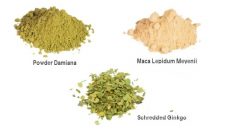
Le Damiana est un petit arbuste originaire d'Amérique centrale et du sud des États-Unis. Les cultures indigènes, notamment les Mayas, l'utilisent depuis des siècles comme aphrodisiaque et pour stimuler l'humeur. Les feuilles sont généralement séchées, puis préparées en infusion ou fumées.
Les recherches récentes suggèrent que le Damiana pourrait avoir de légères propriétés anxiolytiques (qui réduisent l'anxiété) et soutenir les mécanismes liés à la testostérone dans des études sur l'animal. Les essais cliniques chez l'humain restent toutefois limités. Beaucoup de gens rapportent que l'effet le plus net du Damiana est une douce détente et un regain de moral, deux conditions bien utiles pour l'intimité.
Usage traditionnel :
est consommée depuis des siècles au Mexique et en Amérique centrale comme tonique contre le stress, la fatigue et la baisse de libido. Elle est généralement considérée comme sûre pour la plupart des adultes en bonne santé.
Le Damiana s'inscrit aussi dans l'univers plus large des plantes médicinales. Si tu es curieux d'autres plantes aux propriétés psychoactives ou qui agissent sur l'humeur, notre guide sur la fleur de Lotus bleu explore un autre exemple fascinant.
Maca (Lepidium meyenii)
est une racine des hautes Andes péruviennes. Les peuples andins la cultivent et la consomment depuis des milliers d'années, à la fois comme aliment et comme tonique pour l'énergie, la fertilité et la vitalité. Aujourd'hui, le Maca est l'un des aphrodisiaques naturels les plus populaires au monde.
Contrairement à beaucoup de plantes de cette catégorie, le Maca a été étudié dans des essais cliniques chez l'humain. Une étude de 2002 a montré que le Maca améliorait nettement le désir sexuel déclaré par les hommes, par rapport à un placebo, sur une période de huit semaines. D'autres études ont examiné ses effets sur les symptômes de la ménopause, l'humeur et le niveau d'énergie.
existe en poudre, en gélules ou en extrait liquide. Son goût est noiseté et terreux, et tu peux l'ajouter à tes smoothies ou à ton café. Comme c'est un aliment complet, il est généralement considéré comme très sûr pour une consommation régulière.
Muira Puama (Ptychopetalum olacoides)
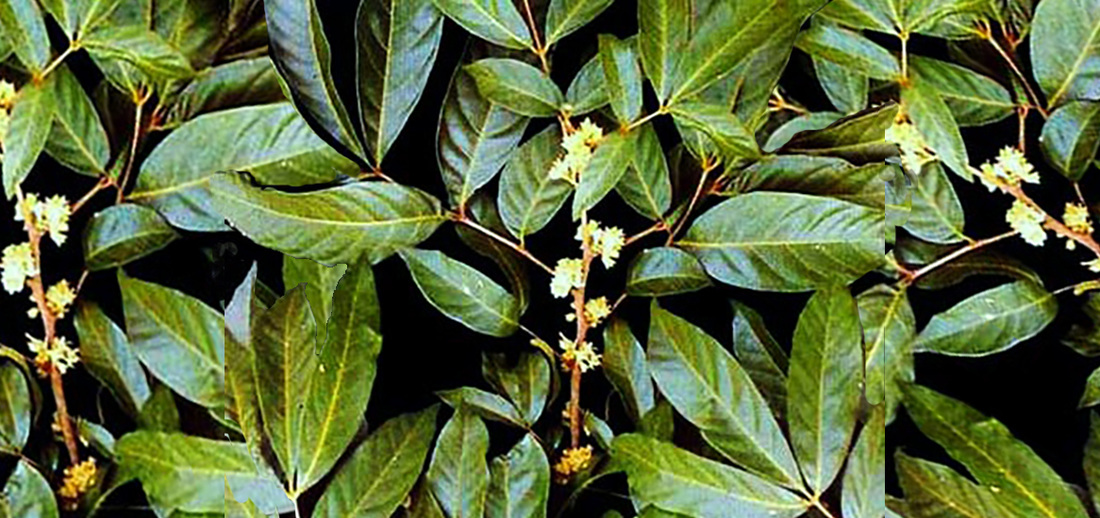
, parfois appelé « bois de puissance », est un arbre originaire de l'Amazonie brésilienne. Son écorce et ses racines sont utilisées depuis des siècles dans la médecine traditionnelle amazonienne comme tonique nerveux et aphrodisiaque.
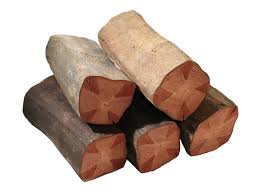
Les recherches sur le Muira Puama n'en sont encore qu'à leurs débuts, mais certaines études suggèrent qu'il pourrait soutenir la libido et le fonctionnement nerveux. Associé à d'autres plantes, en particulier le Ginkgo biloba, il a donné des résultats prometteurs dans de petits essais chez l'humain. On le consomme généralement en teinture ou en gélules.
L'Amazonie nous a offert de nombreuses plantes médicinales fascinantes. Si tu veux explorer plus largement les traditions végétales amazoniennes, notre guide sur l'ayahuasca : histoire, usage et effets te donne un aperçu approfondi de l'une des plantes amazoniennes les plus connues.
Ginseng (Panax ginseng et Panax quinquefolius)
Le Ginseng est l'une des plantes adaptogènes les plus étudiées au monde. Utilisé depuis des millénaires dans la médecine traditionnelle chinoise et coréenne, il est apprécié pour sa capacité à soutenir l'énergie, la résistance et la vitalité. Deux espèces principales sont couramment utilisées : le ginseng asiatique (Panax ginseng) et le ginseng américain (Panax quinquefolius).
Côté santé sexuelle, le Ginseng a été étudié pour ses effets sur la fonction érectile, et plusieurs méta-analyses suggèrent un effet positif modeste par rapport à un placebo. Il pourrait aussi soutenir l'équilibre hormonal et réduire le stress, deux facteurs importants pour la libido. Le Ginseng se trouve généralement sous forme d'extrait standardisé, d'infusion ou de gélules.
Le Lotus bleu (Nymphaea caerulea)
Le
est l'une des plantes les plus riches d'histoire de cette liste. Utilisé par les anciens Égyptiens dans des contextes cérémoniels et festifs, il apparaît dans des peintures, des hiéroglyphes et des écrits qui s'étalent sur des milliers d'années. Ses composés actifs, dont l'aporphine et la nuciférine, interagissent avec les récepteurs de la dopamine et peuvent provoquer une légère euphorie et de la détente.
Dans le domaine des aphrodisiaques naturels, le Lotus bleu est associé à ses effets sur l'humeur et à ses légères propriétés sédatives, qui peuvent favoriser un état détendu et ouvert propice à l'intimité. Il existe en fleurs séchées, en infusion ou en teinture.
Pour tout savoir sur cette plante remarquable, consulte notre guide dédié à la fleur de Lotus bleu. Tu peux aussi
directement dans notre boutique.
Ashwagandha (Withania somnifera)
L'Ashwagandha est une plante phare de l'Ayurveda, l'ancien système de santé naturelle indien. Son nom sanskrit signifie « odeur de cheval », en référence à la fois à son arôme terreux et à son association traditionnelle avec la force et la vitalité. Aujourd'hui, l'Ashwagandha est l'un des adaptogènes les plus populaires dans le monde.
Outre ses effets bien documentés sur le stress et la baisse du cortisol, l'Ashwagandha a été étudiée pour son action sur le taux de testostérone et la fonction sexuelle. Un essai clinique publié en 2019 a montré qu'une supplémentation en Ashwagandha était associée à des améliorations significatives de la fonction sexuelle, de la satisfaction et des taux hormonaux chez les femmes. Chez les hommes, plusieurs études suggèrent un soutien de la testostérone et des marqueurs de fertilité.
Comme le stress chronique est l'un des principaux freins à la libido, une plante qui réduit réellement la réponse au stress pourrait être l'un des aphrodisiaques naturels les plus fiables.
Tribulus Terrestris
Le Tribulus terrestris est une plante utilisée à la fois dans l'Ayurveda et dans la médecine traditionnelle chinoise. Il est devenu populaire chez les sportifs et chez les personnes qui cherchent à soutenir naturellement leur testostérone. Certaines études suggèrent qu'il pourrait améliorer la libido chez les hommes comme chez les femmes, même si ses effets sur le taux de testostérone chez les adultes en bonne santé font débat.
Néanmoins, plusieurs essais cliniques ont montré une amélioration du désir sexuel et de la satisfaction déclarés, ce qui est peut-être le résultat le plus pertinent en pratique. On le trouve couramment sous forme d'extrait standardisé en gélules.
Comment utiliser les aphrodisiaques naturels avec bon sens
Le monde des aphrodisiaques naturels peut être déroutant. Les promesses marketing sont souvent exagérées, et la réalité est plus nuancée qu'un simple « cette plante va tout régler ». Voici une approche réaliste.
Remarque : naturel ne veut pas automatiquement dire sans risque pour tout le monde. Certaines plantes interagissent avec des médicaments. Si tu es enceinte, si tu allaites ou si tu as un problème de santé, parles-en à ton médecin avant de prendre des compléments à base de plantes.
Vue d'ensemble : intimité et plantes médicinales
Le lien entre plantes médicinales et intimité va bien plus loin que les simples plantes aphrodisiaques. Dans de nombreuses cultures, les cérémonies avec des plantes psychoactives étaient aussi des rituels de connexion : entre les personnes, entre l'être humain et la nature, et avec soi-même.
La recherche moderne sur les psychédéliques commence à redécouvrir ce lien. Des substances comme la psilocybine ont été étudiées pour leur potentiel à augmenter l'empathie, l'ouverture émotionnelle et la connexion avec les autres. Si cette dimension t'intrigue, notre guide sur les champignons et l'esprit explore la relation entre psychédéliques et conscience.
Les aphrodisiaques naturels dans notre boutique
| Plante | Forme | Lien boutique |
|---|---|---|
| Damiana (Turnera diffusa) | Poudre & feuilles broyées : 80 g | |
| Maca (Lepidium meyenii) | Poudre : 50 g | |
| Extrait de Muira Puama 4:1 | Extrait : 3 g | |
| Catuaba (Erythroxylum catuaba) | Écorce broyée : 50 g | |
| Lotus bleu (Nymphaea caerulea) | Fleurs séchées : 20 g |
Envie d'explorer d'autres plantes médicinales ?
, un psychédélique naturel à l'histoire riche et de plus en plus étudié par la recherche.
Remarque : si tu souffres d'une maladie mentale et que tu es curieux d'utiliser la psilocybine ou une autre thérapie psychédélique, consulte d'abord une autorité médicale compétente. Ne t'automédique pas : il est essentiel d'être bien accompagné et encadré quand on utilise des psychédéliques comme médicament.


Août 24, 2017