
Votre panier est vide.

Plantes aphrodisiaques populaires : Kava, Catuaba, Shatavari & plus
Publié sous: Plantes ethnobotaniques & highs naturels
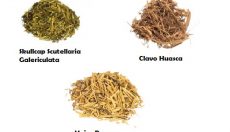
Plantes aphrodisiaques utilisées à travers les cultures : kava, catuaba, shatavari et bien d'autres (mise à jour 2026)
Les plantes aphrodisiaques accompagnent l'humanité depuis des milliers d'années. Chaque grand système de médecine traditionnelle, de l'Ayurveda à la médecine traditionnelle chinoise en passant par l'herboristerie amazonienne, compte des plantes qui soutiennent le désir et le bien-être intime. Ce guide te présente les plantes aphrodisiaques les plus populaires, celles qui méritent plus d'attention aujourd'hui.
Dans ce guide : un tour d'horizon ciblé des plantes aphrodisiaques aux racines traditionnelles solides et à l'intérêt moderne grandissant, dont le kava, la catuaba, le shatavari, le Horny Goat Weed, le yohimbe et le Tongkat Ali.
Pour un aperçu plus large de toute notre gamme botanique, jette un œil à notre collection de plantes ethnobotaniques.
Pourquoi les plantes aphrodisiaques méritent qu'on s'y intéresse
Ces plantes aphrodisiaques sont populaires pour des raisons variées. Certaines, comme le kava et la catuaba, sont profondément ancrées dans des traditions culturelles précises. D'autres, comme le Horny Goat Weed et le shatavari, suscitent un vif intérêt dans la recherche. Ensemble, elles offrent différentes approches pour soutenir le désir et la santé intime.
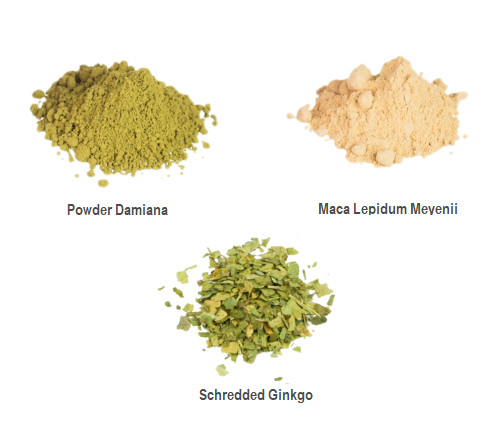
Comme pour toute phytothérapie, les résultats varient d'une personne à l'autre. Ces plantes agissent plutôt de façon progressive et indirecte. Elles agissent sur les facteurs de fond qui influencent le désir : le stress, la circulation, l'équilibre hormonal et le tonus du système nerveux. D'après une revue de 2024 publiée dans la revue Phytomedicine, plusieurs substances d'origine végétale présentent une réelle activité biologique en lien avec la santé sexuelle. Les auteurs soulignent toutefois qu'il faut des essais plus larges chez l'humain.
Kava (Piper methysticum)
Le kava est une racine originaire des îles du Pacifique : Fidji, Vanuatu, Samoa et Tonga. Dans ces régions, on l'utilise depuis des milliers d'années lors de cérémonies et de rassemblements. On broie les racines, on les mélange à de l'eau et on boit cette boisson terreuse qui engourdit légèrement la bouche.
Le kava n'est pas un aphrodisiaque au sens d'un stimulant direct. Il détend plutôt profondément le système nerveux. Il réduit l'anxiété et les inhibitions sociales sans embrumer l'esprit. Résultat : beaucoup de gens le trouvent propice à l'intimité, car on se sent calme, présent et ouvert.
Les composés actifs, les kavalactones, interagissent avec les récepteurs GABA. Ils procurent un état détendu et légèrement euphorique. Les recherches récentes confirment que le kava peut réduire l'anxiété aussi efficacement que certaines options pharmaceutiques. Un essai clinique publié dans le Journal of Clinical Psychopharmacology a observé une réduction significative de l'anxiété chez des patients prenant de l'extrait de kava.
À noter : le kava existe en poudre de racine, en gélules ou en teinture. La préparation traditionnelle à l'eau donne le meilleur équilibre en composés actifs. Choisis toujours du kava de variété noble, provenant de sources fiables, pour la sécurité et l'effet.
Catuaba (Erythroxylum catuaba)
La catuaba est un arbre originaire du Brésil. Les communautés amazoniennes, notamment le peuple tupi, utilisent son écorce depuis des siècles. On la prépare généralement en infusion et on la prend comme tonique pour le système nerveux, contre la fatigue et pour la libido. La médecine populaire brésilienne la considère d'ailleurs comme l'un des aphrodisiaques naturels les plus fiables.
Les recherches modernes sur la catuaba restent limitées, mais prometteuses. Certaines études suggèrent une activité dopaminergique. Cela signifie qu'elle pourrait soutenir le système de la dopamine, qui joue un rôle central dans le désir et la motivation. Les chercheurs étudient aussi ses effets neuroprotecteurs potentiels.
La catuaba est généralement sûre pour la plupart des adultes. Elle s'associe bien avec le muira puama, et la tradition herboriste brésilienne combine souvent les deux. Tu la trouveras en teinture, en gélules ou en écorce séchée pour infusion.
L'Amazonie continue de nous offrir des plantes médicinales fascinantes. Notre guide sur l'ayahuasca : histoire, effets et sécurité te présente en détail une autre plante amazonienne importante.
Shatavari (Asparagus racemosus)
Le shatavari est l'une des plantes les plus importantes de la médecine ayurvédique. Les praticiens l'appellent parfois la « reine des plantes ». Son nom sanskrit se traduit à peu près par « celle qui possède cent maris », ce qui en dit long sur ses associations traditionnelles. Il appartient à la famille des asperges, et les herboristes utilisent ses racines à des fins médicinales.
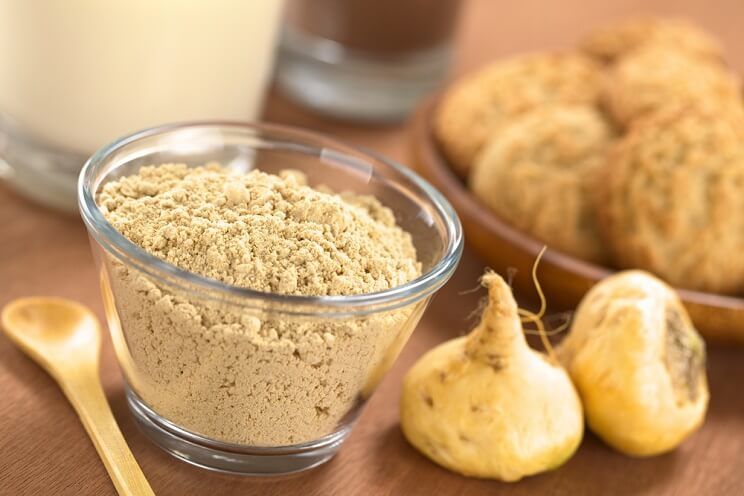
Dans la tradition ayurvédique, le shatavari est le principal tonique de la santé reproductive féminine. Il soutient l'équilibre hormonal, la fertilité et la vitalité à différentes étapes de la vie. La recherche moderne a commencé à explorer ses composés phytoestrogéniques et ses propriétés adaptogènes.
Le shatavari n'est pourtant pas réservé aux femmes. Des études soutiennent aussi son usage comme adaptogène général. Il aide les hommes comme les femmes à renforcer leur résistance au stress et leur énergie. Tu peux le trouver en poudre, en gélules ou en extrait liquide.
Horny Goat Weed (Epimedium)
Malgré son nom qui marque les esprits, le Horny Goat Weed (épimède) est une vraie plante médicinale, avec une longue histoire dans la médecine traditionnelle chinoise. Selon la légende, un chevrier chinois aurait remarqué que ses chèvres devenaient sexuellement excitées après avoir mangé une certaine herbe. C'est ce qui a donné à la plante son nom populaire. Les praticiens de la MTC l'utilisent depuis plus de mille ans.
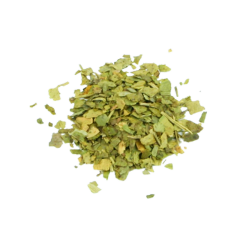
Le composé actif, l'icariine, agit par inhibition de la PDE5. C'est le même mécanisme que celui des médicaments pharmaceutiques contre les troubles de l'érection, mais avec une puissance bien plus faible. Des recherches suggèrent par ailleurs que l'icariine pourrait soutenir les voies de la testostérone et avoir des propriétés adaptogènes.
Le Horny Goat Weed fait partie des plantes aphrodisiaques les plus étudiées. De nombreuses études sur l'animal et in vitro viennent l'appuyer. Un nombre croissant d'essais chez l'humain se montrent aussi prometteurs. On le trouve en extrait standardisé, en gélules.
Yohimbe (Pausinystalia yohimbe)
Le yohimbe est l'écorce d'un arbre originaire d'Afrique de l'Ouest. Les guérisseurs traditionnels de la région l'utilisent depuis des générations comme aphrodisiaque et pour améliorer les performances. Son composé actif, la yohimbine, est un puissant antagoniste des récepteurs alpha-2 adrénergiques. En clair, elle augmente l'activité de la noradrénaline, ce qui peut renforcer l'excitation et la circulation.
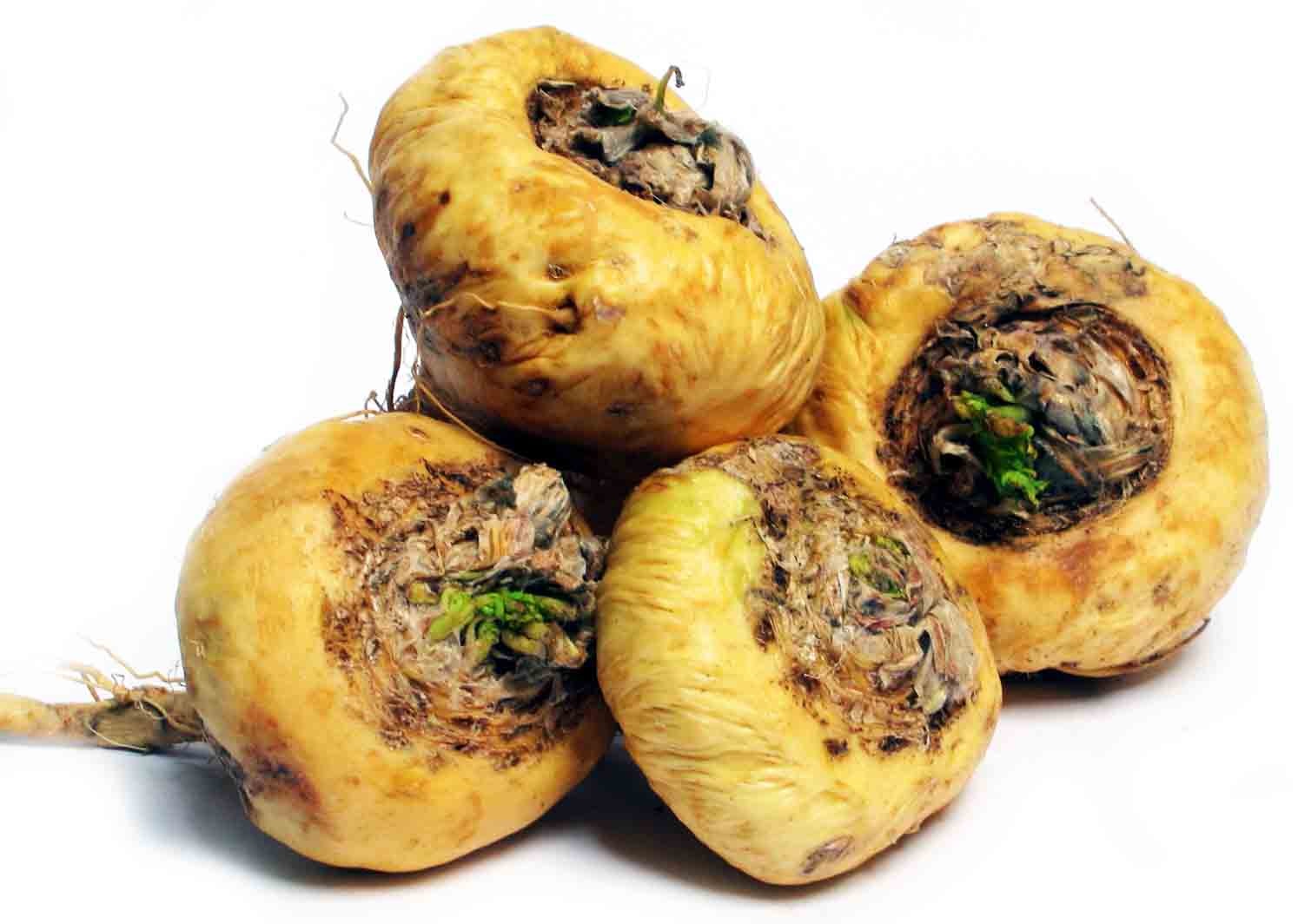
La yohimbine fait partie des très rares composés végétaux dont l'efficacité sur la fonction érectile est réellement étayée par des preuves cliniques. Dans certains pays, la yohimbine pharmaceutique est disponible sur ordonnance. Elle se démarque donc de la plupart des autres plantes aphrodisiaques par sa puissance avérée.
Mise en garde importante : le yohimbe est nettement plus puissant que les autres plantes de ce guide. Il peut provoquer une accélération du rythme cardiaque, de l'anxiété et une hausse de la tension artérielle. Les personnes souffrant de problèmes cardiovasculaires ou de troubles anxieux doivent l'éviter complètement sans suivi médical. Commence toujours par la plus petite dose possible.
Tongkat Ali (Eurycoma longifolia)
Le Tongkat Ali est un grand arbuste d'Asie du Sud-Est : Malaisie, Indonésie et Vietnam. Dans ces régions, on l'utilise depuis des siècles comme tonique de la vitalité masculine. Aujourd'hui, c'est l'une des plantes naturelles les plus populaires au monde pour soutenir la testostérone.
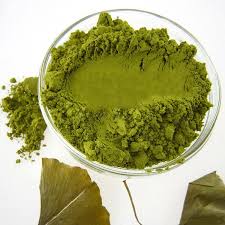
Plusieurs essais cliniques chez l'humain soutiennent son usage. Une revue systématique et méta-analyse de 2022 a conclu que la supplémentation en Tongkat Ali pourrait stimuler la production de testostérone. C'est particulièrement intéressant pour les hommes dont le taux de testostérone se situe dans la fourchette basse de la normale. Des améliorations de la libido, de l'énergie et de l'humeur ont été constatées de façon constante d'une étude à l'autre.
Le Tongkat Ali se présente sous forme d'extrait de racine standardisé, en gélules. La qualité compte énormément. Choisis des extraits standardisés en eurycomanone, issus de fabricants réputés.
Hygiène de vie et plantes aphrodisiaques : le duo gagnant
Aucune plante n'agit isolément. L'approche la plus efficace associe les plantes aphrodisiaques à de bonnes bases d'hygiène de vie. Un sommeil de qualité, une activité physique régulière, la gestion du stress et des liens qui comptent soutiennent tous le désir et la vitalité.
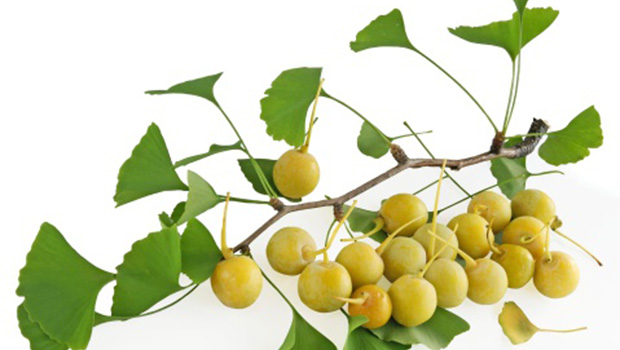
Le stress chronique est l'un des plus grands freins à la libido, quel que soit le genre. Par conséquent, les plantes qui réduisent réellement le stress (comme l'ashwagandha, le kava et le shatavari) peuvent aider de façon plus fiable que les plantes aphrodisiaques directes. En ce sens, la distinction entre adaptogène et aphrodisiaque est un peu artificielle.
Si tu es curieux de savoir comment les plantes médicinales et la conscience interagissent plus largement, notre guide sur les champignons et l'esprit t'offrira un éclairage passionnant. De même, le lotus bleu et le yerba mate sont d'autres traditions végétales à découvrir.
Bien choisir et bien utiliser les plantes aphrodisiaques
À noter : si tu es enceinte, si tu allaites ou si tu as une maladie chronique, demande l'avis de ton médecin avant de prendre des compléments à base de plantes.
Tu es curieux d'autres plantes et champignons qui élargissent l'expérience ?
, un psychédélique légal, bien étudié et utilisé traditionnellement depuis des siècles.
À noter : si tu souffres d'un trouble de santé mentale et que la thérapie à la psilocybine t'intrigue, consulte d'abord un professionnel de santé. Ne t'automédique pas : un accompagnement adapté est essentiel quand on explore les psychédéliques comme médicament.


Mars 23, 2026