
Votre panier est vide.

Palo Santo (bois sacré) : histoire, utilisations et comment le brûler
Publié sous: Plantes ethnobotaniques & highs naturels
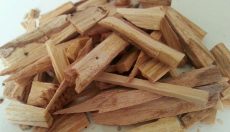
Le guide complet du Palo Santo Holy Wood (bois sacré) : histoire, utilisations et comment le brûler (mise à jour 2026)
Le palo santo est utilisé depuis des siècles dans les rituels et les traditions de guérison d'Amérique du Sud. Aujourd'hui, partout dans le monde, on brûle ce bois parfumé pour purifier l'air, apaiser l'esprit et créer un espace sacré. Mais de quoi s'agit-il exactement, d'où vient-il, et comment l'utiliser correctement ?
Dans ce guide : tout ce que tu dois savoir sur le palo santo holy wood (bois sacré) : son histoire, ses usages traditionnels, son parfum, et un guide simple, étape par étape, pour le brûler en toute sécurité chez toi.
Que tu découvres les rituels à base de plantes ou que tu cherches à approfondir une pratique existante, cet article te donne une vision complète.
| Nom commun | Palo Santo (« bois sacré ») |
| Nom scientifique | Bursera graveolens |
| Origine | Amérique du Sud (Pérou, Équateur, Bolivie) |
| Profil olfactif | Doux, boisé, avec des notes d'agrumes et de menthe |
| Usage traditionnel | Purification, cérémonies de guérison, méditation |
| Famille botanique | Encens et myrrhe (Burseraceae) |
Qu'est-ce que le palo santo ?
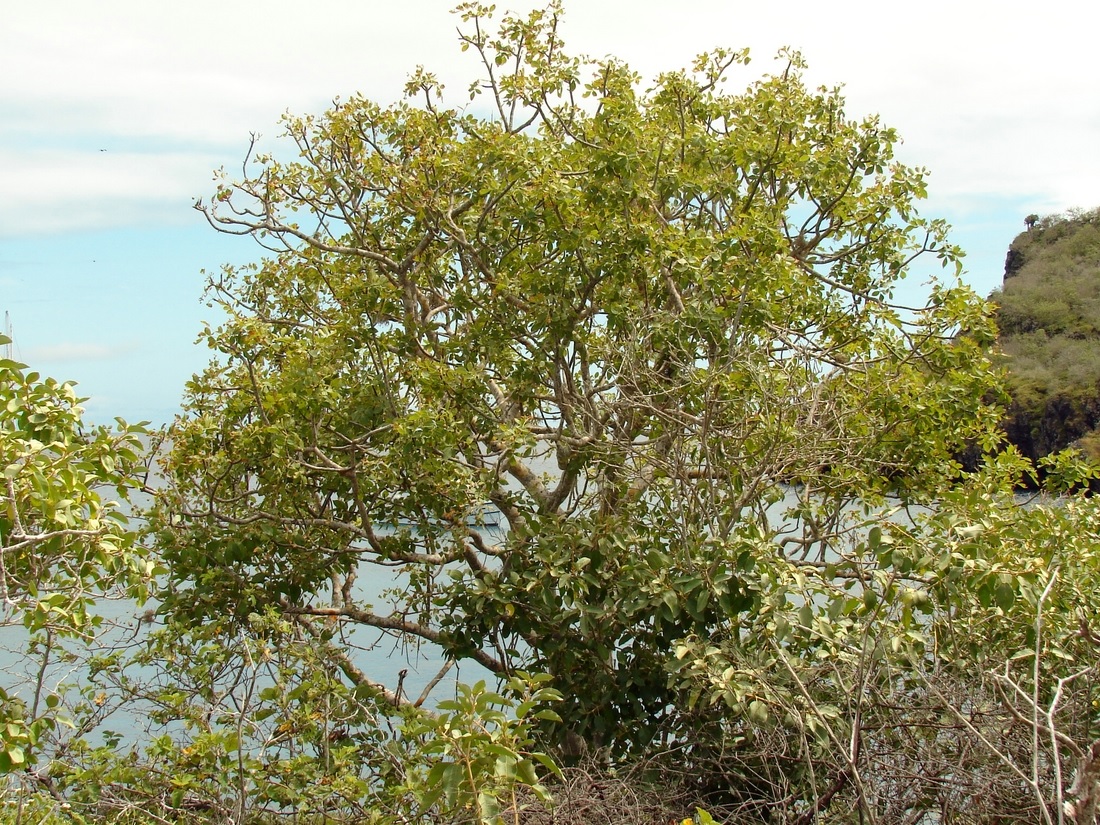
Le palo santo est un arbre sauvage originaire des forêts tropicales sèches d'Amérique du Sud, en particulier du Pérou et de l'Équateur. Son nom signifie « bois sacré » en espagnol, ce qui reflète l'importance spirituelle qu'il a pour les communautés indigènes depuis des milliers d'années. L'arbre appartient à la même famille botanique que l'encens et la myrrhe et, comme ces résines antiques, il possède un caractère aromatique riche qui fait tout son attrait.
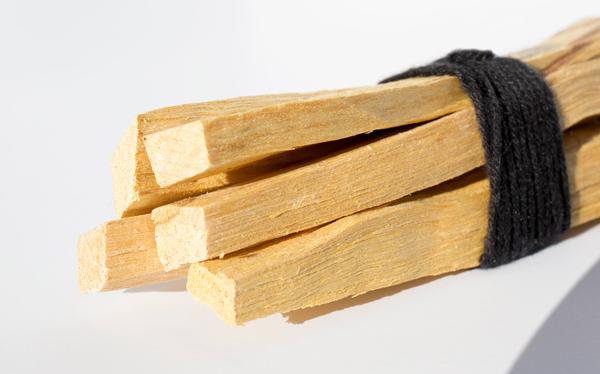
Ce qui rend le palo santo si spécial, c'est que, traditionnellement, on ne récolte que les branches tombées et le bois mort naturellement. L'arbre doit rester plusieurs années au sol, en forêt, avant que ses huiles essentielles n'atteignent leur pleine puissance. Ce processus lent contribue à son caractère unique. C'est, en quelque sorte, un cadeau de patience, offert par l'arbre et par la terre.
Parmi les composés responsables de son parfum, on trouve le limonène, l'alpha-terpinéol et le terpène, qui produisent ensemble une odeur douce, chaude et légèrement citronnée. Beaucoup de personnes trouvent cette odeur immédiatement apaisante et ancrante.
Petite histoire du palo santo
L'usage du palo santo remonte à l'époque de l'Empire inca. Les chamanes et les guérisseurs brûlaient ce bois pendant les cérémonies spirituelles pour chasser les énergies négatives, préparer l'esprit au rituel et entrer en contact avec le monde des esprits. On le considérait comme un cadeau de la forêt, à utiliser avec gratitude et respect.
Les colons espagnols, qui ont découvert ces traditions au XVIe siècle, ont donné à l'arbre le nom que le monde entier lui connaît aujourd'hui. Au fil des siècles suivants, la connaissance du palo santo s'est répandue au-delà de l'Amérique du Sud, portée par les marchands, les guérisseurs et les voyageurs. Aujourd'hui, c'est l'un des outils aromatiques les plus connus de la culture bien-être et de la pleine conscience.
Mais avec sa popularité grandissante, les inquiétudes liées à la surexploitation ont augmenté elles aussi. L'approvisionnement durable est essentiel. Quand tu achètes du palo santo holy wood (bois sacré), choisis des fournisseurs qui ne récoltent que du bois naturellement tombé et qui soutiennent le reboisement. Un approvisionnement responsable protège à la fois les forêts et les traditions indigènes qui ont donné tout son sens à cette pratique.
Usages traditionnels et modernes
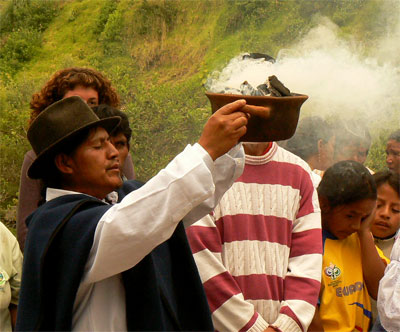
Purification énergétique
L'usage le plus répandu du palo santo est la purification : libérer une pièce, un objet ou une personne des énergies stagnantes ou négatives. Cette pratique, parfois appelée « smudging » ou fumigation, consiste à promener le bois allumé dans un espace tout en posant une intention claire. Beaucoup de gens le font en emménageant dans un nouveau logement, avant une séance de méditation, ou après une période de stress ou de maladie.
Il faut savoir que dans son contexte traditionnel, c'est une pratique profondément intentionnelle. L'aborder avec conscience et en respectant ses racines culturelles rend l'expérience bien plus riche de sens.
Méditation et pleine conscience
Brûler du palo santo avant ou pendant la méditation est une façon simple de dire à ton esprit qu'il est temps de ralentir. Le parfum agit comme un point d'ancrage : quelque chose de constant que ton système nerveux finit par associer au calme. Avec le temps, même une courte inspiration de cet arôme peut t'aider à basculer vers un état mental plus calme et plus concentré.
Pour celles et ceux qui explorent la conscience à travers des pratiques comme la pleine conscience ou les cérémonies à base de plantes, le palo santo peut faire partie intégrante du rituel de préparation.
Aromathérapie et soutien de l'humeur
Les recherches sur le limonène, l'un des principaux composés du palo santo, suggèrent qu'il pourrait avoir des propriétés stimulantes pour l'humeur. Une étude de 2012 publiée dans Evidence-Based Complementary and Alternative Medicine a montré que l'inhalation de parfums riches en limonène entraînait une réduction mesurable des comportements liés à l'anxiété chez des modèles animaux. Cela ne fait pas du palo santo un traitement médical, mais cela va dans le sens de ce que beaucoup rapportent : il fait simplement du bien.
Au-delà de la cérémonie, beaucoup de personnes brûlent du palo santo comme rituel quotidien : dès le réveil, pendant le yoga ou le soir pour décompresser.
Répulsif contre les insectes
Un usage traditionnel plus pratique est celui de répulsif naturel contre les insectes. On pense que la fumée du palo santo éloigne les moustiques et autres insectes. Que tu sois installé(e) sur une terrasse en été ou en train de préparer un espace de cérémonie en extérieur, brûler un bâton à proximité peut aider à garder l'air dégagé.
Comment brûler du palo santo : étape par étape
Brûler du palo santo est tout simple. Mais quelques petits détails font la différence entre une bonne expérience et une excellente.
1
Choisis ton bâton
Choisis ton bâton
Prends un bâton de palo santo qui paraît solide et sec. Un bois bien séché a une couleur allant du doré au brun foncé et dégage une légère odeur sucrée avant même d'être allumé. Notre palo santo holy wood (bois sacré) provient d'arbres tombés naturellement et récoltés de manière durable au Pérou.
2
Pose ton intention
Pose ton intention
Avant d'allumer, prends un instant pour décider pourquoi tu le brûles. Tu veux purifier un espace ? Ouvrir une méditation ? Simplement te détendre ? L'intention est le fondement de tout rituel porteur de sens. Quelques secondes de concentration silencieuse changent tout.
3
Allume et laisse flamber
Allume et laisse flamber
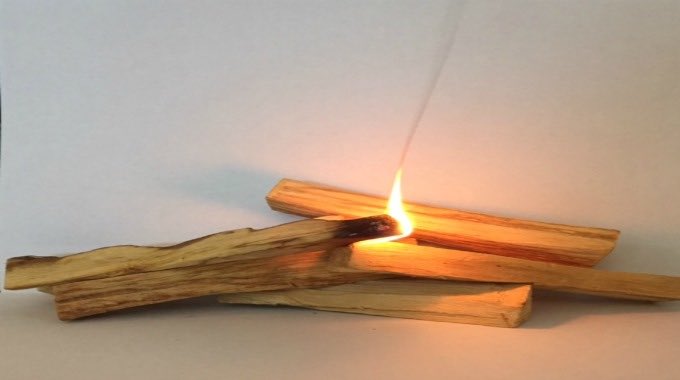
Tiens la pointe du bâton au-dessus de la flamme d'une bougie ou d'un briquet pendant 30 à 60 secondes, jusqu'à ce qu'elle s'enflamme et produise une petite flamme. Le palo santo est plus dense que beaucoup d'encens, il lui faut donc une chaleur soutenue. Laisse-le brûler un moment avant de souffler doucement dessus.
4
Souffle la flamme
Souffle la flamme
Quand la pointe rougeoie d'un orange vif, souffle la flamme. Le bois va alors se consumer lentement et produire un fin filet de fumée parfumée. C'est exactement ce que tu cherches. Si la braise faiblit, incline légèrement le bâton ou souffle doucement sur la pointe pour la raviver.
5
Guide la fumée avec intention
Guide la fumée avec intention
Marche lentement dans l'espace que tu veux purifier en laissant la fumée se diffuser dans les coins, les embrasures de portes et les endroits où tu passes le plus de temps. Tu peux utiliser une plume ou ta main pour guider doucement la fumée. Garde un récipient ignifugé ou une coquille d'ormeau sous le bâton pour récupérer les cendres.
6
Éteins-le en toute sécurité
Éteins-le en toute sécurité
Quand tu as terminé, appuie fermement la pointe incandescente dans ton récipient ignifugé pour l'éteindre. Le palo santo s'éteint assez vite de lui-même, mais assure-toi toujours que la braise est complètement morte avant de quitter la pièce. Le même bâton peut être rallumé de nombreuses fois.
Astuce : ouvre une fenêtre ou une porte pendant que tu brûles ton palo santo. L'air frais aide la fumée à circuler et évacue les énergies stagnantes. Cela évite aussi que la fumée devienne trop lourde dans les petites pièces.
Palo santo et cérémonie psychédélique
Le palo santo occupe une place importante dans de nombreuses cérémonies traditionnelles de médecine des plantes, notamment celles qui impliquent l'ayahuasca et d'autres plantes sacrées. Les guérisseurs le brûlent souvent avant, pendant ou après la cérémonie pour marquer les transitions : ouvrir l'espace sacré au début, ou aider les participants à se recentrer après une expérience intense.
Si tu te prépares à une expérience psychédélique ou que tu es en pleine phase d'intégration, brûler du palo santo peut servir de simple ancrage sensoriel. Le geste rituel d'allumer, de sentir et de te déplacer avec intention aide l'esprit à entrer dans un état plus réceptif. Il peut aussi être utile pendant l'intégration : le brûler pendant que tu écris dans ton journal ou que tu réfléchis aide à recréer l'atmosphère contemplative de l'expérience.
Si tu veux en savoir plus sur la façon dont les cultures traditionnelles ont associé médecines des plantes et rituel, tu peux lire notre article sur le chamanisme et les champignons magiques, ou découvrir comment transformer ton expérience en cérémonie.
Comment conserver ton palo santo
Conserve tes bâtons de palo santo dans un endroit frais et sec, à l'abri de la lumière directe du soleil et de l'humidité. Une boîte en bois ou une pochette en tissu fait très bien l'affaire. Bien conservé, le bois se garde pendant des années et se bonifie même avec le temps, car les résines continuent de se concentrer.
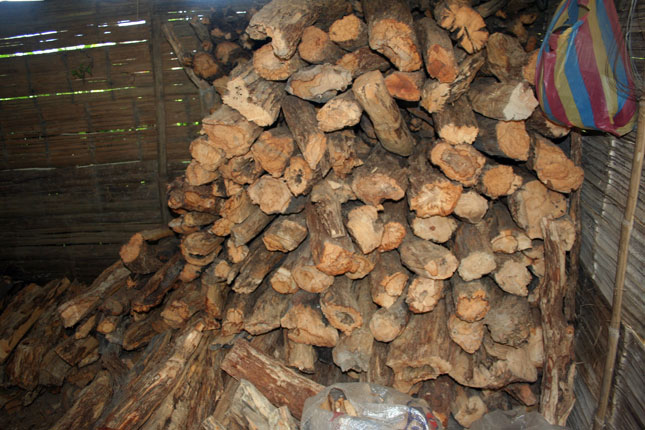
Si tes bâtons perdent leur parfum avec le temps, les laisser un moment dans un endroit chaud et ensoleillé peut aider à réveiller les huiles naturelles. Certaines personnes gardent aussi quelques bâtons dans un tiroir ou une armoire, simplement pour le parfum d'ambiance qui s'en dégage.
Prêt(e) à intégrer le palo santo dans ta pratique ? Découvre notre Palo Santo Holy Wood (bois sacré) issu d'un approvisionnement durable : bois tombé naturellement, récolte éthique, parfum intense.
Remarque : si tu souffres d'une maladie mentale et que tu es curieux(se) de la psilocybine ou de toute autre thérapie psychédélique, consulte d'abord les autorités médicales compétentes. Ne t'auto-prescris rien : il est essentiel d'être bien accompagné(e) et conseillé(e) quand on utilise des psychédéliques comme médicament.


Mars 23, 2026