
Sie haben keine Artikel in Ihrem Warenkorb.

Synthetische Psychedelika 101: LSD, MDMA, Research Chemicals & warum Testen so wichtig ist
Posted under: Psilocybin-Wissenschaft & News
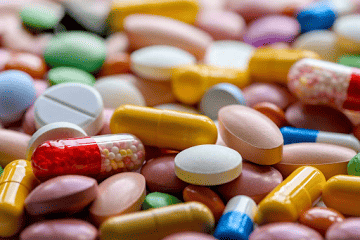
Ein verständlicher Ratgeber zu synthetischen Psychedelika: LSD, MDMA, 2C-B, Ketamin, Research Chemicals und der entscheidende Unterschied zwischen getesteten und ungetesteten Substanzen. (Update 2026)
In diesem Ratgeber: Synthetische Psychedelika sind im Labor hergestellte Substanzen, die veränderte Bewusstseinszustände hervorrufen. Manche sind eng mit natürlichen Wirkstoffen verwandt. Andere sind komplett von Menschen erfunden, und manche wurden nie richtig am Menschen getestet.
Du erfährst hier, welche synthetischen Psychedelika es gibt, wie die Welt der Research Chemicals explodiert, was Shulgin hinterlassen hat und warum der Unterschied zwischen sorgfältiger Wissenschaft und ungetesteten Graumarkt-Substanzen für deine Sicherheit so wichtig ist.
Wenn die meisten Menschen an Psychedelika denken, haben sie Pflanzen vor Augen: Magic Mushrooms, Peyote-Kakteen, Ayahuasca-Lianen. Ein großer Teil der psychedelischen Welt ist aber synthetisch, also im Labor entstanden und oft darauf ausgelegt, natürliche Wirkstoffe nachzuahmen oder zu verbessern.
Synthetische Psychedelika haben sowohl die Geschichte als auch die Zukunft der psychedelischen Forschung geprägt. LSD hat die moderne psychedelische Ära eingeläutet, und es ist synthetisch. MDMA verändert die Behandlung von PTBS, ebenfalls synthetisch. Ketamin behandelt in Kliniken weltweit bereits legal Depressionen. Auch das ist synthetisch.
Der Begriff „synthetisch" umfasst allerdings auch ein weitaus düstereres Terrain. Jedes Jahr überschwemmen Hunderte ungetesteter Research Chemicals den Graumarkt. Wenn du den entscheidenden Unterschied zwischen gut erforschten synthetischen Psychedelika und ungetesteten neuen Substanzen kennst, kann das dein Leben retten.
Was macht ein Psychedelikum „synthetisch"?
„Synthetisch" bedeutet schlicht, dass eine Substanz im Labor durch chemische Synthese hergestellt wird. Sie wird nicht direkt aus einer Pflanze oder einem Pilz gewonnen. Die Grenze ist allerdings nicht immer scharf. LSD wird aus Ergotamin gewonnen, das natürlich im Mutterkornpilz vorkommt. 5-MeO-DMT steckt im Gift der Kröte, lässt sich aber ebenso synthetisieren.
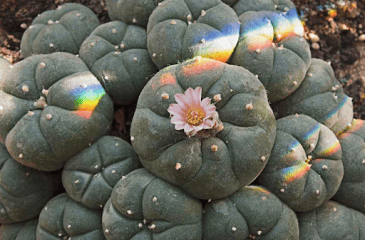
In der Praxis grenzt der Begriff „synthetische Psychedelika" Substanzen wie LSD und MDMA, bei denen die Laborsynthese der Hauptweg ist, von Substanzen wie Psilocybin-Trüffeln oder Ayahuasca ab, bei denen der Wirkstoff in seiner natürlichen Form konsumiert wird.
Shulgins Vermächtnis: So sollte sorgfältige Wissenschaft funktionieren
Über synthetische Psychedelika lässt sich nicht sprechen, ohne Alexander Shulgin zu erwähnen. Er wird oft „der Pate der Psychedelika" genannt und hat im Laufe seiner Karriere über 200 psychoaktive Verbindungen synthetisiert und selbst getestet. In seinen beiden bahnbrechenden Büchern PiHKAL (1991) und TiHKAL (1997) dokumentierte er jede Substanz mit vollständiger Syntheseanleitung, genauer Dosierung und ausführlichen Erfahrungsberichten.
Shulgins Methodik war streng und systematisch. Er begann immer mit einer winzigen Dosis an sich selbst und steigerte sie schrittweise, bis er eine Wirkung bemerkte. Danach probierte seine Frau Ann eine vergleichbare Dosis. Erst dann testete seine Forschungsgruppe aus acht bis zehn vertrauten Freunden die Substanz. Jede Person hielt ihre Erfahrung mit der Shulgin Rating Scale fest, einem standardisierten System, das von Minus (keine Wirkung) bis zu vier Plus (transzendental) reicht.
War das riskant? Auf jeden Fall. Shulgin war im Grunde ein menschliches Versuchskaninchen. Sein Vorgehen hatte aber Struktur, Dokumentation und Verantwortlichkeit. Jede Substanz wurde mit exakten Dosen, Wirkungseintritt, Wirkdauer und subjektiven Effekten katalogisiert. Die Daten aus seinen Gruppenexperimenten sind bis heute eine Grundlage der psychedelischen Pharmakologie.
Wichtig: Shulgin ging kalkulierte Risiken an sich selbst und an einer kleinen, informierten Gruppe ein und dokumentierte alles. Die heutigen Research Chemicals vom Graumarkt überspringen all diese Schritte. Die Substanzen gehen direkt vom Labor zum Konsumenten, ohne jegliche Daten aus Tests am Menschen.
LSD: Die Substanz, die alles ins Rollen brachte
LSD (Lysergsäurediethylamid) ist das Urbild des synthetischen Psychedelikums. Der Schweizer Chemiker Albert Hofmann synthetisierte es 1938 erstmals in den Sandoz-Laboratorien. 1943 entdeckte er zufällig seine psychoaktive Wirkung. Sein bewusster Selbstversuch, bei dem er unter dem Einfluss der Substanz mit dem Fahrrad nach Hause fuhr, ging als „Bicycle Day" in die Geschichte ein. Mehr dazu findest du in unserem Porträt von Albert Hofmann.
LSD ist ein potenter Agonist an Serotoninrezeptoren, vor allem am 5-HT2A-Rezeptor. Es wirkt bereits im Mikrogramm-Bereich, in weit kleineren Mengen als jedes andere Psychedelikum. Die Wirkung hält acht bis zwölf Stunden an und umfasst tiefgreifende Veränderungen von Wahrnehmung, Denken, Emotionen und Selbstempfinden. Heute wird die LSD-gestützte Therapie wieder erforscht, mit ersten vielversprechenden Ergebnissen bei Angststörungen, Sucht und Cluster-Kopfschmerzen.
LSD-Analoga: 1P-LSD, 1cP-LSD und der Graumarkt
Da LSD selbst in den meisten Ländern illegal bleibt, ist auf dem Graumarkt eine ganze Reihe synthetischer Analoga aufgetaucht. Dazu gehören 1P-LSD, 1cP-LSD, 1V-LSD, 1D-LSD und, seit 2025, 1S-LSD. Jedes Mal, wenn die Behörden ein Analogon verbieten, bringen Chemiker die nächste Variante auf den Markt. Allein in Deutschland wurden seit 2019 fünf LSD-Analoga nacheinander verboten.
Diese Substanzen wirken als Prodrugs von LSD. Der Körper wandelt sie nach der Einnahme in LSD um, und sie haben ähnliche Effekte. Der entscheidende Unterschied: Keine davon wurde formal auf ihre Sicherheit am Menschen geprüft. Es gibt keine klinischen Studien, und die Langzeitrisiken sind unbekannt. Sie werden oft als „Research Chemicals" oder als flüssige Tropfen („druppels") auf Löschpapier (Blotter) verkauft.
Hinweis: Nur weil ein LSD-Analogon in deinem Land gerade legal ist, heißt das nicht, dass es sicher ist. Rechtlicher Status und Sicherheit sind zwei völlig verschiedene Dinge. Diese Substanzen befinden sich genau deshalb in einer Grauzone, weil Behörden sie noch nicht bewertet haben, und nicht, weil sie als harmlos eingestuft wurden.
MDMA: Das Empathogen
MDMA (3,4-Methylendioxymethamphetamin) gilt streng genommen als Empathogen und nicht als klassisches Psychedelikum. Seine tiefgreifende Wirkung auf das Bewusstsein und seine wachsenden therapeutischen Einsatzmöglichkeiten rücken es jedoch klar in die Diskussion um synthetische Psychedelika.
MDMA wurde 1912 erstmals synthetisiert und in den 1970er-Jahren von Alexander Shulgin wiederentdeckt. Shulgin wandte seine übliche Methodik an: erst sorgfältige Selbstversuche, dann der Austausch mit Therapeuten und seiner Forschungsgruppe. Er erkannte die bemerkenswerte Fähigkeit der Substanz, emotionale Schutzmauern aufzulösen und ehrliche Kommunikation zu ermöglichen. In den 1980er-Jahren gelangte sie als „Ecstasy" in die Clubszene und wurde Mitte der 1980er verboten.
Inzwischen wird wieder geforscht. In klinischen Phase-3-Studien zur MDMA-gestützten PTBS-Therapie erfüllten über 70 % der Teilnehmenden nach der Behandlung die PTBS-Kriterien nicht mehr. Die FDA lehnte den Antrag von Lykos Therapeutics im August 2024 jedoch ab und forderte eine weitere Studie. Mehr dazu liest du in unserem Beitrag über Psychedelika und die Behandlung psychischer Erkrankungen.
Synthetische Cathinone: 4-MMC, 3-MMC und der Ersatz-Kreislauf
Hier trifft das Terrain der synthetischen Psychedelika auf etwas weit Gefährlicheres. Synthetische Cathinone, oft irreführend als „Badesalze" oder „Pflanzendünger" verkauft, sind Stimulanzien, die sich von Cathinon ableiten, dem Wirkstoff der Khat-Pflanze. Das bekannteste ist Mephedron (4-MMC), das ab etwa 2009 durch Europa fegte.
Mephedron erzeugt Euphorie, Empathie und Aufputschwirkung. Manche Konsumenten vergleichen es mit einer groben Mischung aus MDMA und Kokain. Sein Sicherheitsprofil ist jedoch dramatisch schlechter. Zwischen 2009 und 2011 dokumentierte Großbritannien 128 Todesfälle im Zusammenhang mit Mephedron. Von 62 untersuchten Fällen starben 26 an akuter Toxizität und 18 an selbstzerstörerischem Verhalten.
Als Regierungen 4-MMC verboten, tauchte 3-MMC als Ersatz auf. Nach dem Verbot von 3-MMC in den Niederlanden trat 2-MMC an dessen Stelle. Daten von Drug-Checking-Diensten aus dem Jahr 2024 zeigten, dass die Hälfte aller als 3-MMC verkauften Proben tatsächlich 2-MMC enthielt. Im Januar 2026 stellte die EU drei neue synthetische Cathinone offiziell unter Kontrolle: 2-MMC, 4-BMC und NEP.
Ernstes Risiko: Synthetische Cathinone sind keine Psychedelika. Es sind starke Stimulanzien mit erheblichen kardiovaskulären und psychiatrischen Risiken. Schwere Vergiftungen können ein Serotonin-Syndrom, Rhabdomyolyse und potenziell tödliches Organversagen verursachen. Besonders gefährlich sind diese Substanzen in Kombination mit Alkohol oder anderen Drogen.
Psilocybin-Analoga und „Paddo-Tropfen"
Eine weitere Kategorie synthetischer Psychedelika, die zunehmend Aufmerksamkeit bekommt, sind Psilocybin-Analoga, vor allem 4-AcO-DMT (auch „Psilacetin" genannt). Diese Substanz wurde zuerst von Shulgin untersucht und später vom Forscher David Nichols als mögliches Psilocybin-Prodrug für die wissenschaftliche Forschung vorgeschlagen. Im Körper wird sie zu Psilocin umgewandelt und hat ähnliche Effekte wie Magic Mushrooms.
4-AcO-DMT und verwandte Verbindungen (4-AcO-MET, 4-HO-MET) werden manchmal als flüssige Tropfen verkauft, auf Niederländisch „paddo druppels", oder als Pulver, das als Research Chemical vermarktet wird. Weil sie die Wirkung von Psilocybin nachahmen, gehen manche davon aus, dass sie genauso sicher sind. Die Forschung bestätigt jedoch, dass über ihre pharmakologischen Wirkungen jenseits der grundlegenden Rezeptoraktivität „fast nichts bekannt ist".
Der Reiz liegt auf der Hand: Flüssige Tropfen ermöglichen eine präzise Dosierung und sind unauffällig. Genauso klar ist aber das Risiko. Anders als natürliches Psilocybin aus Magic Truffles fehlen diesen synthetischen Analoga die Sicherheitsdaten, die Jahrzehnte menschlicher Anwendung und klinischer Forschung liefern. Du weißt schlicht nicht mit derselben Sicherheit, was du dir da zuführst.
Wenn du Psilocybin willst, nimm das Original. Magic Truffles mit natürlichem Psilocybin sind in den Niederlanden legal und blicken auf Jahrhunderte dokumentierter Anwendung zurück. Synthetische Analoga aus dem Internet können keine vergleichbare Sicherheitsbilanz vorweisen.
2C-B: Shulgins Phenethylamin
2C-B (4-Brom-2,5-dimethoxyphenethylamin) ist ein synthetisches Psychedelikum, das Shulgin entwickelte und in PiHKAL dokumentierte. Es gehört zur Klasse der Phenethylamine, einer anderen chemischen Familie als Tryptamine wie Psilocybin. Die Effekte sind sinnlicher und weniger kognitiv intensiv als bei LSD. Die Erfahrung dauert in der Regel vier bis sechs Stunden.
2C-B wurde vor dem Verbot kurzzeitig in therapeutischen Kontexten in Europa eingesetzt. Shulgin katalogisierte es zusammen mit Hunderten anderer Verbindungen. Seine Arbeit bildet die Grundlage für vieles, was moderne Pharmaunternehmen heute erforschen. Der entscheidende Unterschied: Shulgin testete diese Substanzen selbst und dokumentierte die Wirkungen akribisch. Die heutigen Graumarkt-Derivate haben oft keine solche Dokumentation.
Ketamin: Das legale Antidepressivum
Ketamin nimmt unter den synthetischen Psychedelika eine Sonderstellung ein: Es ist legal, weit verbreitet und behandelt in Kliniken weltweit bereits Depressionen. Es wurde in den 1960er-Jahren als dissoziatives Narkosemittel entwickelt und wird seitdem in der Chirurgie und Notfallmedizin eingesetzt.
In subanästhetischen Dosen erzeugt Ketamin dissoziative psychedelische Effekte: Entkopplung vom Körper, schnelle Stimmungswechsel und veränderte Wahrnehmung. Die antidepressive Wirkung setzt innerhalb von Stunden ein, während herkömmliche Medikamente Wochen brauchen. Esketamin, ein Ketamin-Derivat, ist von der FDA als Nasenspray gegen therapieresistente Depressionen zugelassen.
Ketamin-gestützte Therapie ist inzwischen in vielen Ländern in zugelassenen Kliniken verfügbar. Wie sich das ins Gesamtbild einfügt, liest du in unserem Beitrag über Psychedelika und die Behandlung psychischer Erkrankungen.
Shulgin vs. Graumarkt: Ein entscheidender Gegensatz
Darum ist Shulgins Vermächtnis für die heutige Debatte über synthetische Psychedelika so wichtig. Shulgin erschuf Hunderte neuer Verbindungen. Viele davon waren in den falschen Händen wirklich gefährlich. Sein Vorgehen hatte jedoch eine grundlegende Integrität, die dem modernen Graumarkt völlig fehlt:
Vergleiche das mit der heutigen Realität. Untergrundlabore stellen neue Verbindungen her. Niemand testet sie vorher am Menschen. Es gibt keine Dosierungsdaten, keine Daten zur Wirkdauer und keine Daten zu Wechselwirkungen. Diese Substanzen gehen direkt von der Synthese in den Verkauf, oft mit dem Aufdruck „nicht für den menschlichen Verzehr" als rechtliche Fiktion. Die Konsumenten werden zu ahnungslosen Versuchspersonen.
Der Europäische Drogenbericht 2025 meldete allein für 2023 rund 7.500 drogenbedingte Todesfälle in der EU. Neue psychoaktive Substanzen spielen in diesen Zahlen eine immer größere Rolle.
Das Fazit: Shulgin war ein Wissenschaftler, der auf der Suche nach Erkenntnis kalkulierte persönliche Risiken einging. Die heutigen Graumarkt-Anbieter sind Geschäftsleute, die das gesamte Risiko auf dich abwälzen. Das sind grundverschiedene Dinge. Verwechsle sie nicht.
Natürlich vs. synthetisch: Spielt das eine Rolle?
Eine häufige Frage: Unterscheiden sich synthetische Psychedelika grundlegend von natürlichen? Auf molekularer Ebene nicht unbedingt. Synthetisches Psilocybin ist chemisch identisch mit Psilocybin aus Pilzen, und die Wirkung ist dieselbe.
Natürliche Substanzen enthalten jedoch mehrere Verbindungen, die miteinander interagieren können, was manchmal als „Entourage-Effekt" bezeichnet wird. Wer Magic Mushrooms konsumiert, nimmt Psilocybin, Psilocin, Baeocystin und weitere Verbindungen gemeinsam auf. Ob diese Mischung andere Effekte hat als reines Psilocybin, ist ein aktives Forschungsfeld.
Dazu kommt eine kulturelle Dimension. Viele Menschen finden Bedeutung in der pflanzlichen oder pilzlichen Herkunft psychedelischer Heilmittel. Für andere ist die Zuverlässigkeit einer synthetisierten Verbindung vorzuziehen. Keine der beiden Haltungen ist grundsätzlich richtig. Einen breiteren Überblick über natürliche Substanzen bekommst du in unserem Ratgeber zu den häufigsten Arten von Psychedelika.
Safer Use und Drug-Checking
Wenn du mit synthetischen Psychedelika in Berührung kommst, egal ob bekannt oder neu, kann Schadensminimierung (Harm Reduction) dein Leben retten:
Für die sichere Vorbereitung findest du das Wichtigste in unserem Ratgeber zu Set und Setting. Lies außerdem unseren Integrations-Ratgeber, um zu erfahren, was danach zu tun ist.
Setz lieber auf Bekanntes statt Unbekanntes. Natürliches Psilocybin aus Magic Truffles blickt auf Jahrtausende dokumentierter Anwendung beim Menschen zurück. Microdosing mit bekannten, legalen Psilocybin-Trüffeln ist ein sichererer und besser verstandener Weg als jede Research Chemical vom Graumarkt.
Die rechtliche Lage 2026
Die Rechtslage bei synthetischen Psychedelika ändert sich schnell. Die MDMA-gestützte Therapie wird in mehreren Ländern geprüft. Ketamin ist bereits legal und für die Behandlung von Depressionen verfügbar. LSD bleibt streng kontrolliert, auch wenn Forschungsprogramme laufen.
Auf Seiten des Graumarkts hinken die Behörden hinterher. Deutschland hat seit 2019 fünf LSD-Analoga nacheinander verboten, und jedes Mal taucht innerhalb von Monaten ein neues auf. Die EU stellte im Januar 2026 drei neue Cathinone unter Kontrolle. Die EUDA beobachtet laufend neue Substanzen, doch das Tempo der Synthese übersteigt das Tempo der Regulierung.
Bei gut erforschten synthetischen Psychedelika geht der Trend in Richtung Legitimität. Bei ungetesteten Research Chemicals geht er in Richtung Schaden. Es ist entscheidend zu wissen, in welche Kategorie eine Substanz fällt.
Geh den bekannten Weg. Entdecke unser Sortiment an
und
: natürliches Psilocybin, legal in den Niederlanden, mit jahrhundertelanger dokumentierter Anwendung.
Hinweis: Wenn du mit psychischen Problemen zu kämpfen hast und dich für Psilocybin oder andere psychedelische Therapien interessierst, sprich bitte zuerst mit einer medizinischen Fachperson. Verschreibe dir nichts selbst. Die richtige Unterstützung und Begleitung sind wichtig, wenn du Psychedelika als Medizin erkunden möchtest.


November 17, 2023