
Sie haben keine Artikel in Ihrem Warenkorb.

Tiere und Psychedelika: Delfine, Rentiere, Katzen und mehr
Posted under: Psychedelische Kultur
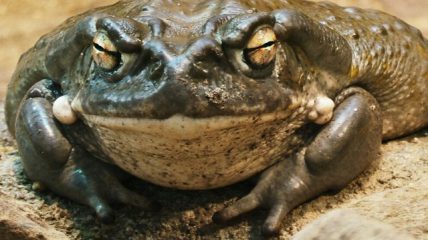
Delfine, Rentiere, Katzen und mehr – wie Tiere mit psychoaktiven Substanzen umgehen (Update 2026)
Der Mensch ist bei Weitem nicht die einzige Spezies, die sich für bewusstseinsverändernde Substanzen interessiert. Im gesamten Tierreich – von Meeressäugern über Vögel bis hin zu Insekten – hat man beobachtet, dass Tiere gezielt nach Pflanzen und Pilzen mit psychoaktiver Wirkung suchen und sie immer wieder konsumieren. Geht es dabei um medizinische Selbstbehandlung, spricht man manchmal von „Zoopharmakognosie“. Die Beweggründe für die Suche nach psychoaktiven Pflanzen sind aber nicht immer eindeutig.
Eindeutig ist dagegen, dass das Phänomen weit verbreitet, gut dokumentiert und wirklich faszinierend ist. Tiere und Psychedelika teilen eine längere gemeinsame Geschichte, als die meisten Menschen ahnen – und ihr Verhalten wirft spannende Fragen zu Bewusstsein, Evolution und der Frage auf, warum es diese Substanzen in der Natur überhaupt gibt.
In diesem Artikel: Eine Reise durch die am besten dokumentierten Begegnungen des Tierreichs mit psychoaktiven Substanzen – von Delfinen, die Kugelfische herumreichen, bis zu Rentieren, die in Sibirien gezielt Fliegenpilze suchen.
Wir schauen uns an, was die Forschung darüber weiß, warum Tiere das tun, und was uns das über die Rolle psychoaktiver Stoffe in der Natur verraten könnte.
Delfine und Kugelfische: Das ungewöhnliche Ritual der Ozeane
Eine der am häufigsten geteilten Geschichten rund um Tiere und Psychedelika stammt aus einer BBC-Dokumentation. Sie zeigt junge Große Tümmler, die gezielt Kugelfische in die Schnauze nehmen und sie in kleinen Gruppen behutsam herumreichen – offenbar, um das Tetrodotoxin einzuatmen, das die Fische als Abwehrmechanismus absondern. In niedriger Dosis löst Tetrodotoxin eine tranceartige, betäubende Wirkung aus, statt der tödlichen Lähmung, die es in hoher Konzentration verursacht.
Nach diesen Begegnungen schienen die Delfine in einen entspannten, fast traumartigen Zustand zu geraten: Sie trieben nahe der Oberfläche, bewegten sich langsam und betrachteten ihr eigenes Spiegelbild. Das Verhalten war bewusst und sozial, nicht zufällig. Der Meeresbiologe Rob Pilley, der das Filmmaterial ausgewertet hat, beschrieb die Delfine als „völlig weggetreten“.
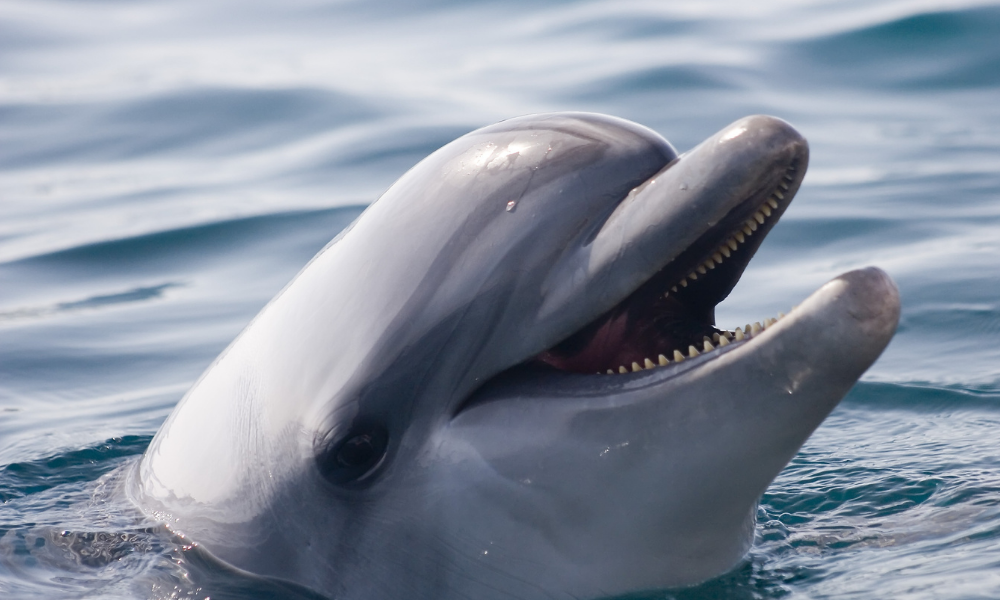
Was Delfine neurologisch durch Tetrodotoxin genau erleben, ist unbekannt. Dass sie diesen Effekt aber immer wieder absichtlich suchen, spricht stark dafür, dass dabei etwas Angenehmes oder neurologisch Interessantes passiert. Delfine gehören zu den kognitiv komplexesten Tieren auf dem Planeten – wenn sie hier tatsächlich veränderte Bewusstseinszustände suchen, lässt sich das nicht einfach abtun.
Rentiere und Fliegenpilz: Eine sibirische Tradition
In Sibirien und anderen Teilen Nordeuropas sind Rentiere (Karibus) dafür bekannt, dass sie mit Begeisterung Fliegenpilze (Amanita muscaria) fressen. Diese markanten rot-weißen Pilze enthalten Ibotensäure und Muscimol – Substanzen, die halluzinogen und sedierend wirken und sich deutlich von Psilocybin unterscheiden. Rentiere suchen sie gezielt auf und legen dafür manchmal weite Strecken zurück.
Noch auffälliger: Rentiere trinken auch den Urin anderer Rentiere, die Fliegenpilze gefressen haben. Ibotensäure wird größtenteils unverändert ausgeschieden, deshalb wirkt der Urin ähnlich (teils sogar stärker), weil der Körper einen Teil der Umwandlungsarbeit bereits erledigt hat. Indigene sibirische Schamanen pflegten eine parallele Tradition: Sie tranken den Urin einer Person, die Fliegenpilz gegessen hatte, da dies als sicherere Möglichkeit galt, die Wirkung zu erfahren, als den Pilz direkt zu verzehren.
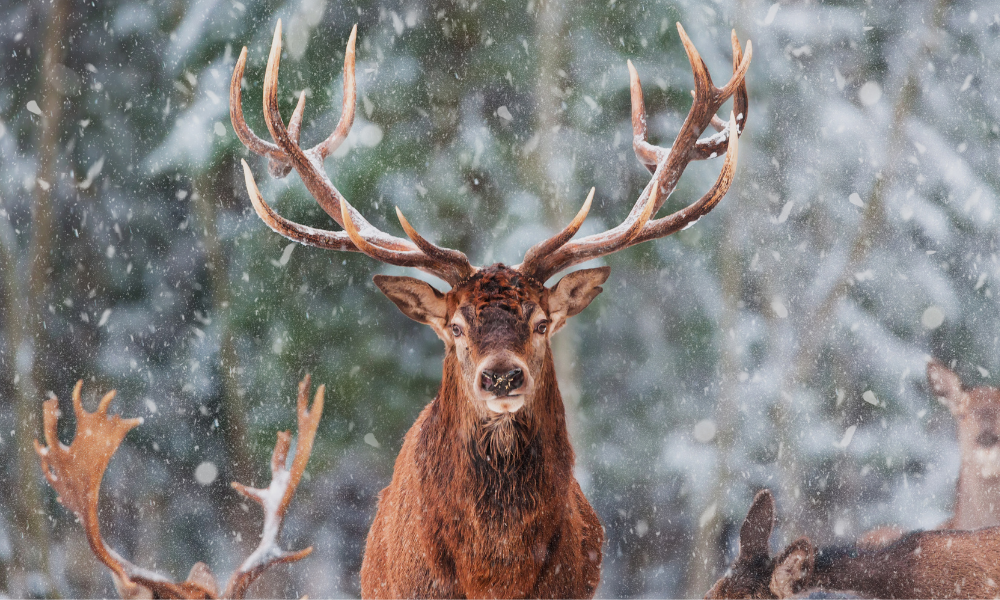
Die Vorliebe der Rentiere für den Fliegenpilz ist so gut belegt, dass manche Ethnomykologen vermuten, sie habe die kulturellen Ursprünge der schamanischen Rentiertraditionen mitgeprägt – und womöglich sogar die Bildwelt des Weihnachtsmanns, mit seinen fliegenden Rentieren und einer rot-weißen Farbgebung, die an den Pilz erinnert.
Hinweis zu Amanita vs. Psilocybe: Der Fliegenpilz (Amanita muscaria) ist etwas völlig anderes als Psilocybin-Pilze. Ohne sorgfältige Zubereitung ist sein Verzehr nicht sicher, und er sollte nicht mit Magic Mushrooms verwechselt werden.
Katzen und Katzenminze: Ein bekanntes Beispiel
Du musst nicht bis nach Sibirien reisen, um Tiere zu finden, die psychoaktive Pflanzen suchen. Katzen und Katzenminze (Nepeta cataria) liefern eines der am leichtesten zu beobachtenden – und charmantesten – Beispiele für psychoaktives Verhalten bei Tieren im Alltag. Verantwortlich ist der Stoff Nepetalacton. Er bindet an die Geruchsrezeptoren der Katze und löst eine Reaktion aus, die für uns Menschen sehr nach Euphorie aussieht: Rollen, Lautäußerungen, Reiben und eine kurze Phase scheinbarer Glückseligkeit, gefolgt von etwa 30 Minuten scheinbarer Gleichgültigkeit.
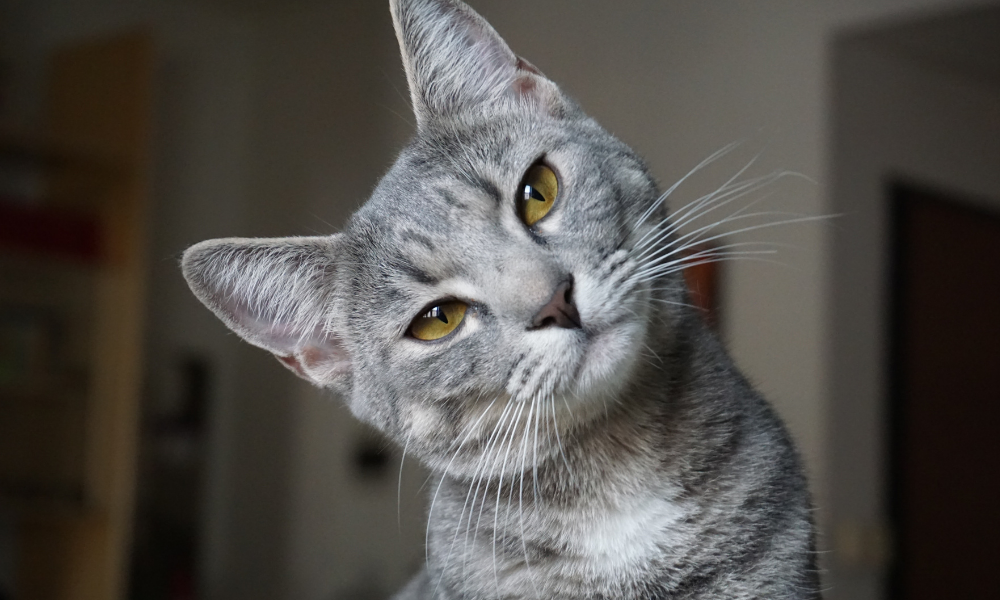
Interessanterweise ist die Reaktion auf Katzenminze genetisch bedingt – etwa 30 % der Hauskatzen reagieren überhaupt nicht darauf. Großkatzen wie Löwen und Leoparden reagieren dagegen oft, was darauf hindeutet, dass die Empfindlichkeit ein uraltes Merkmal ist. Die Reaktion scheint eher neurologischer als ernährungsbedingter oder medizinischer Natur zu sein – sie hat keinen erkennbaren Überlebensvorteil und ist damit eines der klarsten Beispiele für ein Tier, das schlicht einen angenehmen veränderten Zustand sucht.
Affen, vergorene Früchte und Alkohol
Primaten – auch unsere nächsten evolutionären Verwandten – haben eine gut dokumentierte Beziehung zu vergorenen, alkoholhaltigen Früchten. Wilde Schimpansen in Guinea wurden dabei beobachtet, wie sie Palmwein sammeln und trinken, der in Baumhöhlen natürlich vergoren ist, teils bis zu sichtbarer Trunkenheit. Ähnlich zeigen Grüne Meerkatzen in der Karibik, die von einer vor Jahrhunderten auf Zuckerrohrplantagen eingeführten Population abstammen, eine starke Vorliebe für alkoholhaltige Mischungen. In Forschungsumgebungen zeigen diese Affen Trinkmuster, die denen von Menschen auffallend ähneln – einige wenige Abstinenzler, überwiegend maßvolle Trinker und ein kleiner Prozentsatz, der stark trinkt.
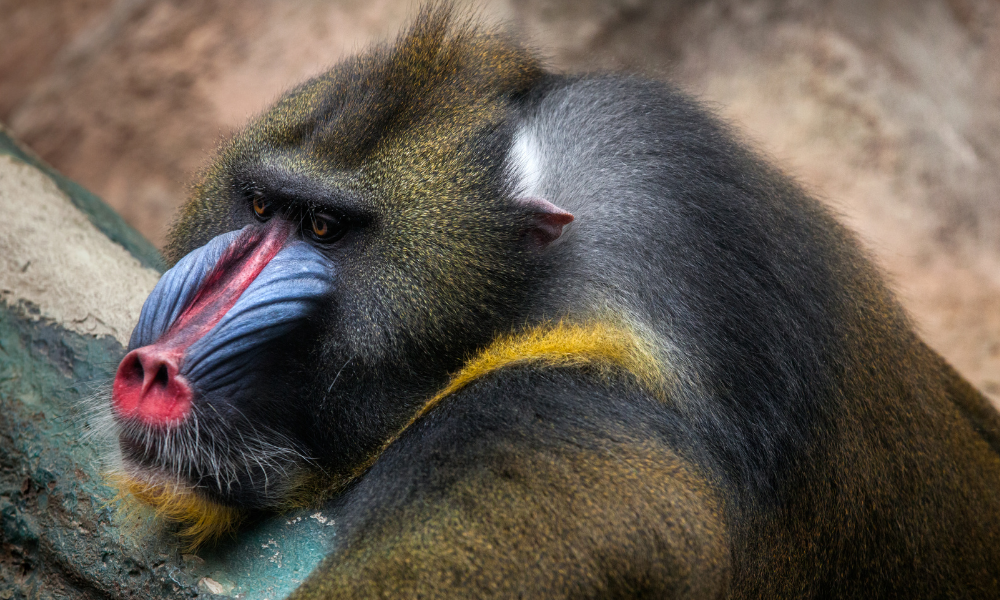
Diese Parallele zum menschlichen Alkoholkonsum wird als Argument dafür herangezogen, dass die genetischen und neurologischen Grundlagen von Sucht deutlich älter sein könnten als unsere Spezies – und dass die Beziehung zwischen Primaten und psychoaktiven Substanzen tiefe evolutionäre Wurzeln hat.
Elefanten und Rausch
Geschichten von Elefanten, die gezielt vergorene Marulafrüchte suchen und fressen, kursieren seit Jahrzehnten. Manche Forscher bezweifeln zwar, dass Elefanten schnell genug genug vergorene Früchte aufnehmen können, um tatsächlich nennenswert berauscht zu werden (bei ihrer Körpermasse bräuchten sie sehr große Mengen). Es gibt aber glaubwürdige Berichte, dass Elefanten in der kurzen Zeit, in der die Früchte des Marulabaums am Boden gären, große Mengen davon fressen.
Besser dokumentiert ist, dass Elefanten in Indien und Afrika dabei beobachtet wurden, wie sie Brauereien und Alkoholvorräte von Menschen plündern – ein Hinweis auf eine echte Vorliebe für Alkohol, die über das opportunistische Fressen von Fallobst hinausgeht. Elefantenrausch wurde von genug unabhängigen Beobachtern über einen ausreichend langen Zeitraum dokumentiert, um ernst genommen zu werden, auch wenn Mechanismus und Häufigkeit weiter diskutiert werden.
Wallabys und Schlafmohn
In Tasmanien hat man beobachtet, wie Wallabys in legal angebaute Schlafmohnfelder eindringen und die Kapseln fressen – und anschließend im Kreis laufen, offenbar orientierungslos, bevor sie sich schließlich hinlegen. Über dieses Verhalten berichtete 2009 der Generalstaatsanwalt von Tasmanien dem Rechtsausschuss des australischen Parlaments und beschrieb, wie die Tiere „Kornkreise“ in den Mohnfeldern hinterlassen. Die Wallabys kommen immer wieder zurück, was auf eine gewisse Absicht und Vorliebe statt auf zufälliges Fressen hindeutet.
Tasmanien baut einen erheblichen Teil des weltweit legal produzierten Opiums für pharmazeutische Zwecke an, und das Wallaby-Problem wird von den Landwirten so ernst genommen, dass eigene Managementstrategien nötig wurden. Es ist in jeder Hinsicht eine der ungewöhnlicheren realen Überschneidungen von Tieren und psychoaktiven Substanzen.
Jaguare und die Yagé-Liane
Im Amazonas-Regenwald hat man schon lange beobachtet, wie Jaguare Blätter und Rinde von Banisteriopsis caapi kauen – der Liane, die als eine der Hauptzutaten in Ayahuasca dient. Die Liane enthält Harmin und weitere Beta-Carbolin-Alkaloide, die als Monoaminooxidase-Hemmer (MAO-Hemmer) wirken. Jaguare scheinen die Liane gezielt aufzusuchen und fressen sie in Mengen, die eher auf Absicht als auf zufällige Nahrungssuche hindeuten.
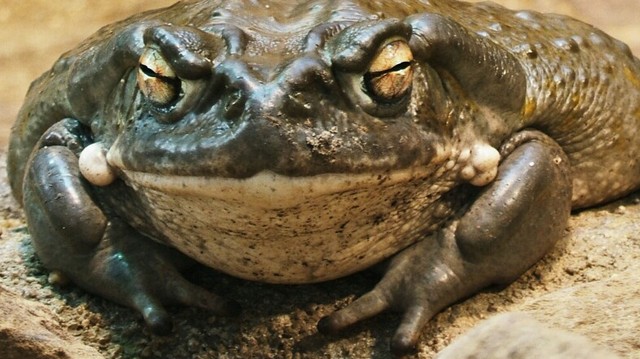
Indigene Völker des Amazonasgebiets kennen dieses Verhalten seit Jahrhunderten. In manchen Traditionen gilt die Beziehung des Jaguars zur Yagé-Liane als eine Art spirituelles Gegenstück zur schamanischen Nutzung durch den Menschen – und in mehreren amazonischen Kosmologien werden Jaguare ausdrücklich mit visionären oder veränderten Bewusstseinszuständen in Verbindung gebracht.
Vögel, Beeren und absichtlicher Rausch
Bei bestimmten Vogelarten hat man beobachtet, dass sie vergorene Beeren fressen, bis sie Anzeichen von Trunkenheit zeigen: unsicherer Flug, Orientierungslosigkeit und weniger Angst vor Fressfeinden. Besonders bekannt dafür sind Zedernseidenschwänze – Gruppen von ihnen plündern manchmal im Herbst Beerensträucher, die vergoren sind. Das Verhalten ist gelegentlich gefährlich (berauschte Vögel fliegen gegen Fenster oder werden zur leichten Beute), aber dass es bei mehreren beerenfressenden Vogelarten regelmäßig vorkommt, spricht dagegen, dass es rein zufällig ist.
Manche Forscher vermuten, dass die zuckerreichen, schnell gärenden Beeren im Herbst eine so kalorienreiche Nahrungsquelle sind, dass sich der Alkoholgehalt kaum vermeiden lässt – und dass Vögel eher eine gewisse Toleranz entwickelt haben, als aktiv den Rausch zu suchen. So oder so ist das Ergebnis dasselbe: Vögel, die von vergorenen Beeren sichtbar betrunken sind – sehr zur Belustigung aller, die zuschauen.
Was verrät uns das?
Die Vielfalt der Tiere, die psychoaktive Substanzen suchen – bei Säugetieren, Vögeln und sogar Insekten –, deutet darauf hin, dass der Drang, das Bewusstsein zu verändern, nicht nur dem Menschen vorbehalten ist. Ob dahinter ein bewusster Wunsch nach veränderter Erfahrung, eine neurologische Belohnungsreaktion oder einfach eine starke konditionierte Vorliebe für bestimmte Sinneseffekte steckt, hängt von Art und Substanz ab.
Beständig ist, dass die neurologischen Grundlagen dieser Reaktionen uralt sind. Serotonin-, Dopamin- und Opioidrezeptoren – die Systeme, mit denen psychoaktive Stoffe interagieren – gibt es nicht nur bei Säugetieren, sondern auch bei vielen Wirbellosen. Dass Pflanzen und Pilze Substanzen herstellen, die so präzise mit diesen Systemen interagieren, ist selbst ein Hinweis: Es deutet auf eine lange evolutionäre Beziehung zwischen diesen Organismen und den Tieren hin, die sie konsumieren – wahrscheinlich angetrieben von ökologischem Druck auf beiden Seiten.
Mehr darüber, wie Psilocybin speziell im Gehirn wirkt, erfährst du in unserem Hauptbeitrag zu Pilzen und Geist. Und für einen breiteren Blick auf psychoaktive Substanzen in verschiedenen Kulturen und Arten liefert unser Beitrag über die häufigsten Arten von Psychedelika nützlichen Kontext.
Neugierig auf die Welt der Psilocybin-Pilze? Entdecke unsere Magic Mushroom Grow Kits und
– hochwertige Produkte für neugierige Köpfe.
Hinweis: Wenn du an einer psychischen Erkrankung leidest und dich für die Anwendung von Psilocybin oder einer anderen psychedelischen Therapie interessierst, sprich bitte zuerst mit den zuständigen medizinischen Fachstellen. Behandle dich nicht selbst – gerade bei der Anwendung von Psychedelika als Medizin sind die richtige Unterstützung und Begleitung entscheidend.


March 23, 2026