
You have no items in your shopping cart.

Salvia Divinorum: Complete Guide to Leaves, Extracts, Effects & Risks
Posted under: Ethnobotanicals & Natural Highs
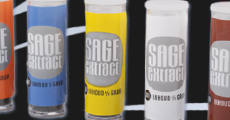
Salvia Divinorum: Leaves, Extracts, Effects, and Risks — Complete Guide (2026 Update)
Salvia divinorum is one of the most unusual psychoactive plants on Earth. It produces an intense, short-lived experience that is very different from other psychedelics. This complete guide explains what salvia divinorum is, how it works, what forms are available, and what to be aware of before you consider using it.
In this guide: Everything you need to know about salvia divinorum — its origins, active compound, available forms (leaves and extracts), reported effects, safety considerations, and legal status worldwide.
We present this information for educational purposes only. Always check the laws in your country before purchasing or using salvia divinorum.
| Plant family | Lamiaceae (mint family) |
| Active compound | Salvinorin A |
| Origin | Oaxaca, Mexico (Mazatec region) |
| Effect duration | 5–30 minutes (smoked); 30–90 minutes (quid) |
| Main forms | Dried leaves, standardised extracts (5x–40x) |
| Legal status | Varies widely by country — check local laws |
What Is Salvia Divinorum?
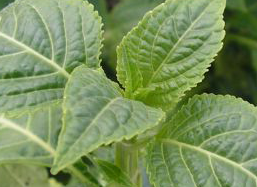
Salvia divinorum is a perennial herb native to the cloud forests of Oaxaca, Mexico. For centuries, the Mazatec people have used it in healing rituals and divination ceremonies. The plant's name roughly translates as "sage of the seers" — which gives a clue to its traditional purpose.
Unlike most psychedelics, salvia divinorum works through a unique mechanism. Its main active compound, salvinorin A, is a potent kappa-opioid receptor agonist — making it chemically unlike psilocybin, LSD, or mescaline. According to research published by the National Center for Biotechnology Information, salvinorin A is the most potent naturally occurring hallucinogen yet identified, active in quantities of micrograms rather than milligrams.
If you want to understand how salvia divinorum compares to classic psychedelics like psilocybin, our guide on the most common types of psychedelics offers a useful starting point.
Traditional Use Among the Mazatec
The Mazatec have worked with salvia divinorum for generations. Healers — known as curanderos — used the plant during nighttime ceremonies to enter altered states and receive diagnostic insights. The plant was typically consumed as a quid (fresh leaves chewed and held in the mouth) or as a cold water infusion.
Because salvia divinorum does not travel easily outside the Oaxacan highlands, it remained largely unknown to Western researchers until the 1960s. It was only in the 1990s that the active compound salvinorin A was properly identified and characterised.
Today, the plant is used far outside its original cultural context. This shift raises important questions about respect, preparation, and safety that any user should consider seriously.
Available Forms: Leaves vs. Extracts
Salvia divinorum is available in two main forms. Understanding the difference is important for anyone researching this plant.
Dried Leaves
Dried salvia divinorum leaves are the most natural form. They contain salvinorin A at relatively low concentrations. Traditionally, leaves were used as a quid — chewed slowly to allow absorption through the mucous membranes of the mouth. This method produces a gentler, more gradual experience compared to smoking.
Dried leaves can also be smoked in a water pipe. However, the temperature required to vaporise salvinorin A is higher than with many other substances, so a hot flame is typically needed.
Standardised Extracts
Extracts are made by concentrating salvinorin A from dried leaves. They are commonly labelled with a multiplier — 5x, 10x, 20x, or 40x. These numbers indicate how much more concentrated the extract is compared to plain dried leaves.
Important: Extracts are significantly more potent than plain leaf. A higher multiplier means a much smaller quantity is needed to achieve any effect. Treat all extracts with great care and start with a very small amount.
Because extracts are concentrated, the effects when smoked are rapid and intense. Many accounts describe the onset as almost instantaneous, with peak effects reached within a minute or two.
Reported Effects of Salvia Divinorum
The effects of salvia divinorum are described as unlike any other psychedelic experience. People report that the experience is strange, disorienting, and often difficult to put into words afterward.
Common Reported Effects
Moreover, many users report that the experience feels very different from the connected, warm quality sometimes associated with psilocybin mushrooms. The salvia divinorum experience is often described as cold, mechanical, or alien. This does not mean it is without value, but it does mean it requires a different kind of preparation.
Duration and Timeline
One notable characteristic of salvia divinorum is how fast it acts and how quickly it ends. When smoked, effects typically begin within 30 seconds and peak within one to two minutes. The main experience usually fades within five to fifteen minutes, with a gentle afterglow lasting slightly longer.
When used as a quid, the onset is slower — often 10 to 15 minutes — and the experience is generally milder but lasts longer, sometimes 30 to 90 minutes.
This short duration is one reason salvia divinorum has a different reputation to classic psychedelics. However, short does not mean easy. The intensity can be overwhelming, especially with extracts.
Set and Setting With Salvia Divinorum
Set and setting — your mindset and physical environment — are critical with any psychedelic experience. With salvia divinorum, they are particularly important because the experience can cause temporary loss of motor control and extreme disorientation.
Our detailed guide on what is set and setting covers the fundamentals well, even though it focuses on magic mushrooms. The same principles apply here.
Tip: Always have a sober, trusted sitter present when using salvia divinorum. Because physical coordination can be affected, a sitter can prevent accidents and provide reassurance during the experience.
Choose a quiet, safe, and familiar space. Remove any tripping hazards. Sit or lie down rather than standing. Turn off phones and other distractions. The experience is short, so preparation pays off.
Safety and Risks
Salvia divinorum is not considered physically addictive, and there is no established lethal dose in humans. However, it carries real risks that deserve careful consideration.
Physical Risks
Because salvia divinorum causes temporary loss of coordination, the main physical risk is accidental injury. Someone who has smoked an extract and stands up may fall. This is why a sitter is so strongly recommended. Furthermore, some people experience nausea, particularly with the quid method.
Psychological Risks
The experience can be extremely disorienting and frightening, even for people with prior psychedelic experience. Some users report lingering confusion or unease for hours after the experience ends. People with personal or family histories of psychosis or dissociative disorders should avoid salvia divinorum entirely.
Safety note: Do not use salvia divinorum in combination with alcohol, other psychedelics, or stimulants. Never drive or operate machinery for several hours after use. People with mental health conditions should consult a doctor before considering any psychedelic substance.
Psychological Preparation
Because the experience can be so intense, psychological preparation matters more than with some other substances. Reading accounts from experienced users, understanding what to expect, and going in with a calm and open mind all help. If you feel anxious or reluctant, that is a signal worth heeding — postpone until you feel genuinely ready.
Legal Status of Salvia Divinorum
The legal status of salvia divinorum varies significantly around the world. In some countries it remains legal and unscheduled. In others it is controlled or prohibited. The situation is also changing, with several jurisdictions having added it to controlled substance lists in recent years.
We strongly recommend checking the laws in your specific country and region before purchasing or using salvia divinorum. This guide does not constitute legal advice.
For broader context on how different psychedelic substances are regulated, see our guide on common types of psychedelics.
Salvia Divinorum in Research
Because salvinorin A works through kappa-opioid receptors rather than serotonin receptors, it is of significant scientific interest. Researchers are exploring its potential relevance to depression, addiction, and pain management — though this work is in early stages and no therapeutic applications have been approved.

The unique pharmacology of salvia divinorum means it does not fit neatly into existing categories. As a result, it continues to fascinate both researchers and experienced psychedelic users who are curious about the outer edges of consciousness.
Comparing Salvia Divinorum to Other Psychedelics
People often ask how salvia divinorum compares to psilocybin mushrooms or other substances. In several key ways, it is quite different.
| Feature | Salvia Divinorum | Psilocybin Mushrooms |
|---|---|---|
| Active compound | Salvinorin A | Psilocybin / psilocin |
| Receptor mechanism | Kappa-opioid | Serotonin (5-HT2A) |
| Duration (smoked/eaten) | 5–20 minutes | 4–6 hours |
| Character of experience | Dissociative, alien, intense | Expansive, emotional, connected |
| Research interest | Pain, addiction, depression | Depression, PTSD, addiction |
If you are curious about psilocybin mushrooms specifically, our guide on what are magic mushrooms is a good place to start.
Frequently Asked Questions
Is salvia divinorum the same as garden sage?
No. Garden sage (Salvia officinalis) and salvia divinorum are both members of the Salvia genus, but they are completely different plants with no shared psychoactive properties. The only thing they share is their botanical family.
Can salvia divinorum be grown at home?
Salvia divinorum can be cultivated as a houseplant in many climates, as it is a tender perennial that thrives in humid, shaded conditions. However, growing it for the purpose of consumption may be subject to legal restrictions depending on where you live.
What does a bad salvia experience feel like?
People who have difficult salvia experiences often describe complete loss of sense of self, overwhelming confusion, panic, or the feeling of being trapped. These experiences fade quickly, but can be very frightening in the moment. A trusted sitter and a safe environment significantly reduce the likelihood of this happening.
Curious about other psychedelic plants and fungi? Explore our magic truffles range for a legal, well-understood psychedelic option with centuries of traditional use.
Note: If you are suffering from a mental illness and are curious about using psilocybin or any other psychedelic therapy, please consult one of the relevant medical authorities first. Do not self-prescribe — it is vital to have the right support and guidance when using psychedelics as medicine.


March 23, 2026