O seu carrinho de compras está vazio
Psilocybin Science & News
Stay up to date with psilocybin research and psychedelic science. Here you’ll find easy-to-read explainers, study breakdowns, and news on therapy, safety, and new discoveries around magic mushrooms.
-
 Psilocybin Science & News · 8 May 2026 · 7 min read
Psilocybin palliative care microdosing is emerging as one of the most promising areas in psychedelic medicine. A 2026 Canadian clinical trial showed that 69% of patients with serious incurable illness responded to a three-week low-dose psilocybin protocol — with no serious side effects. Here is what happened and why it matters.
A 2026 clinical trial in Canada has produced one of the most hopeful results yet for psilocybin palliative care microdosing. In a group of patients with serious incurable illness, 69% showed a clinically meaningful improvement in wellbeing after just three weeks of low-dose psilocybin — with no serious side effects.
The doses were tiny. There was no psychedelic experience. And yet the results were significant. Here is what happened, why it matters, and what it means for the future of end-of-life care.
What Is Psilocybin Palliative Care Microdosing?
Palliative care supports people with serious incurable illnesses. In other words, the goal is not to cure the disease — it is to improve quality of life. One of the biggest challenges is psychological. For instance, patients often experience severe anxiety, depression, and existential fear. Standard antidepressants take weeks to work. Unfortunately, many patients do not have weeks to wait.
Psilocybin microdosing means taking a very small, sub-perceptual amount of psilocybin — the active compound in magic mushrooms and magic truffles. At these low doses, you do not feel high. In fact, you do not have a psychedelic experience at all. Instead, the hypothesis researchers are investigating is whether low doses can produce neurological changes — shifts in mood, anxiety levels, or cognitive flexibility — without any perceptual disruption.
This combination — psilocybin palliative care microdosing — is exactly what researchers at two centres in Ottawa, Canada, decided to study.
New to microdosing? Our complete guide on psilocybin microdosing explains the protocols, schedules, and what to expect. It is a good starting point before reading the clinical research below.
How the Psilocybin Palliative Care Microdosing Trial Worked
The study was an open-label clinical trial — meaning participants knew they were receiving psilocybin — run at two Ottawa-based medical centres. It was published in Palliative Medicine (PubMed: PMID 41617652) in January 2026.
The participants were 15 adults with advanced incurable illness and high levels of psychological distress. Specifically, most of them had cancer (82%). Their ages ranged from 40 to 84. Moreover, all of them had significant depression or anxiety that had not responded well to standard treatment.
The protocol was gradual and careful:
Week 1 1 mg psilocybin per day, taken orally Week 2 2 mg psilocybin per day Week 3 3 mg psilocybin per day To put this in context: a typical therapeutic psilocybin session in other studies uses doses between 20 mg and 30 mg. By comparison, the doses used here were 7 to 30 times smaller. As a result, these are true microdoses — amounts that should not produce any noticeable psychedelic effect.
The Results: 69% Showed Meaningful Improvement
Of the 13 participants who completed the full three-week protocol, 9 out of 13 — exactly 69% — showed a clinically meaningful global improvement in their wellbeing. Both clinicians and patients completed standardised assessment tools. Together, therefore, those ratings confirmed the improvement was real and consistent.
Eight of those 13 participants (62%) showed a reduction of more than 50% in their depression score. Researchers measured this using the Hamilton Depression Rating Scale — a widely used standard in depression research. Notably, in clinical terms, a 50% improvement is considered a strong response.
Crucially, there were no serious adverse events. Nobody experienced a difficult psychological episode. Furthermore, nobody felt overwhelmed. The doses were low enough that physical and psychological tolerance was very good — even in a fragile patient group with multiple health conditions and complex medication regimens.
Why This Is Different from Previous Psilocybin End-of-Life Research
Previous studies on psilocybin and end-of-life distress — including important work from Johns Hopkins and NYU — used high, single doses of psilocybin, typically 25–30 mg. Those sessions lasted four to six hours under direct therapeutic supervision. Nevertheless, the results were also powerful: patients reported profound reductions in anxiety and depression, sometimes lasting months after a single session.
The Practical Advantage of a Microdosing Approach
High-dose psilocybin sessions are complex to deliver. First, a trained therapist must be present for the entire session. Furthermore, they are expensive and logistically demanding. In addition, they are not always appropriate for patients who are very ill, physically weak, or who have conditions that might make a full psychedelic experience unsafe.
This new psilocybin palliative care microdosing study suggests a different path. A gentle, gradual protocol is easier to deliver in real clinical settings. Moreover, it is accessible to people who would not be suitable candidates for a full high-dose session. Both approaches have value — they are complementary, not competing.
For more on the human side of psilocybin end-of-life access, our post on psilocybin end-of-life therapy tells the story of Pete Pearson — a man who fought for the right to face death in peace using psychedelic medicine.
What the Psilocybin Microdosing Study Cannot Tell Us Yet
This was a small open-label trial with 13 completing participants and no placebo control group. Because participants knew they were receiving psilocybin, some of the improvement may reflect expectation and the therapeutic relationship rather than the drug itself. These results are promising — but they need to be confirmed in larger, randomised, placebo-controlled trials before psilocybin microdosing becomes a standard palliative care treatment.
The researchers are aware of these limitations and have already called for follow-up studies with larger groups and a control arm. After all, the trial was designed as a feasibility study — its main purpose was to show that the protocol is safe and deliverable in a palliative setting, which it clearly is. Consequently, the next phase will test whether the effect holds up under more rigorous conditions.
The Neuroscience Behind Psilocybin Microdosing
How does such a small dose of psilocybin produce a meaningful effect on mood and anxiety? Interestingly, researchers point to two key mechanisms.
First, even at very low doses, psilocybin activates the serotonin 5-HT2A receptor, which plays a central role in mood regulation. It may also gently disrupt the default mode network — the brain system associated with rumination, self-criticism, and the kind of negative thought loops that are common in depression and existential anxiety. Our post on what all psychedelics have in common explains this brain mechanism in depth.
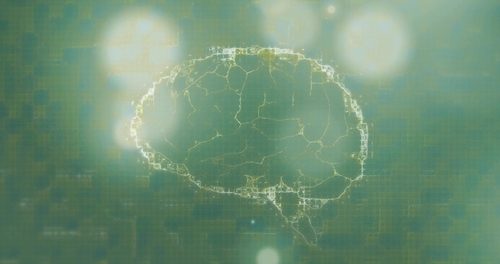
Second, and perhaps more importantly, psilocybin stimulates neuroplasticity — the brain's ability to form new connections and change its patterns. A 2023 review in Frontiers in Psychiatry summarises the neuroplasticity evidence in detail. Our post on psilocybin and new brain cells covers this in detail. In laboratory and early clinical models, even low doses appear to activate this process. As a result, the brain may shift away from rigid, distressing patterns of thought — at least according to the researchers studying this effect.
What This Means for the Future of Palliative Care
The 2026 Canadian trial is part of a much bigger shift happening in medicine right now. Indeed, across the world, clinical researchers, regulators, and patients are recognising that psychedelic medicine — used carefully and at the right dose for the right person — offers real hope for conditions that standard treatment has failed to address.
Why Palliative Care Is Where Psychedelic Medicine Matters Most
Palliative care is one of the areas where this hope is most urgent. The people in this trial were facing the end of their lives with high levels of suffering. A three-week, low-dose protocol that is safe, feasible, and helps 69% of patients — that is not a small thing. That is a meaningful step forward.
Finally, we will keep covering psilocybin clinical trial results as they emerge. For the broader picture of how psychedelic therapy is developing in 2026, see our post on the 2026 psychedelics executive order and what it means for research and access in the United States.
Safety note: Psilocybin is a controlled substance in most countries. The research described here took place in a supervised clinical setting. Do not attempt to self-administer psilocybin in a medical context without professional guidance. If you are considering microdosing, read our guide on are magic mushrooms dangerous first, and always check the legal status in your country.
Curious about microdosing? Our Microdosing Package gives you everything you need to start, and the Microdosing Guidebook covers protocols, schedules, and science in plain language.
Disclaimer: This article reports on scientific research findings for informational purposes only. Psilocybin is a controlled substance in most countries, including the Netherlands. Nothing in this article constitutes medical advice, a health claim, or a recommendation to use any product to prevent, treat, or cure any disease or health condition. The trial results described relate to supervised clinical research contexts, not consumer products. If you are dealing with a serious illness or psychological distress, please consult a qualified healthcare professional.
-
A new study published in Nature Communications (May 2026) found that a single dose of psilocybin — the active compound in magic mushrooms and magic truffles — causes lasting psilocybin brain changes that are still visible one full month after the experience.
This is the first time scientists measured both the brain during a trip and the brain's physical structure four weeks after. The results help explain why so many people say one powerful psilocybin experience can shift how they think and feel for weeks.
Psilocybin Science & News · 7 min read
Why do magic mushrooms cause hallucinations? A 2026 neuroscience study finally has the answer — and it's as poetic as it is precise. Your brain doesn't invent hallucinations from nothing. It turns off incoming reality and starts replaying memories instead. As the lead researcher put it: "a bit like partial dreaming."
Psilocybin Cluster Headache: Research, Trials & Relief
April 27, 2026
Psilocybin Science News · April 2026 · 9 min read
Psilocybin cluster headache treatment sounds radical. But for more than two decades, people with cluster headache — widely regarded as the most painful condition known to medicine — have been quietly using magic mushrooms to stop their attack cycles. They did this long before any clinical trial existed. Now, science is finally catching up. A new Australian study called the PEACE trial is about to test this approach in a funded, rigorous setting for the first time in the Southern Hemisphere.
At Magic Mushrooms Shop, we know many customers who use psilocybin mushrooms for cluster headache relief — and many of them report promising results. We always encourage you to do this together with a doctor or therapist and not to self midicate. In this article we explain what the research shows, what the PEACE trial is testing, and why this matters to millions of people with few other options.
Psilocybin Science News · 23 April 2026
In January 2025, a landmark ruling made magic mushrooms India legal news worldwide. The Kerala High Court decided that psilocybin-containing fungi are not a scheduled narcotic or psychotropic substance under India's strict drug law. As a result, the judgment created a legal grey area affecting 1.4 billion people — and opened the door to future psilocybin research in one of the world's most populous countries.

Published April 21, 2026 — Psilocybin Science & News
In this article: Lanmaoa asiatica is a wild mushroom from Yunnan, China, that causes one of the strangest hallucinations ever documented — vivid, lifelike visions of tiny people, just 2 cm tall, marching, dancing, and climbing the furniture around you.
Scientists have been studying it for years. Remarkably, they still have no idea what causes it. Here is what we know.
Lanmaoa asiatica is not commercially available — and for good reason. But if you want to explore the world of mushroom cultivation, browse our liquid culture syringes, magic truffles, or grow kits — shipped from Amsterdam.
Trump's Psychedelics Executive Order: What It Means for Magic Mushrooms and Mental Health (2026)
April 21, 2026
Published April 21, 2026 — Psilocybin Science & News
In this article: On April 18, 2026, President Trump signed a landmark psychedelics executive order directing the FDA, DEA, and VA to fast-track research and access for psychedelic treatments — including psilocybin and ibogaine. We were on holiday last week, so here’s a clear, friendly catch-up on what the order says, why it matters, and what it means for the future of psychedelic medicine.
One man's fight for psilocybin at the end of life — and why it matters for everyone, everywhere.

Since January 1, 2026, the Czech Republic allows Czech Republic psilocybin therapy for patients with treatment-resistant depression. Psychiatrists can now prescribe synthetic psilocybin under strict clinical conditions. This makes Czechia the first EU member state with a full legal framework for medical psilocybin. In this article, you will learn how the law works, who qualifies, and what the latest science says.
Published April 2026 · Psilocybin Science & News · 7 min read
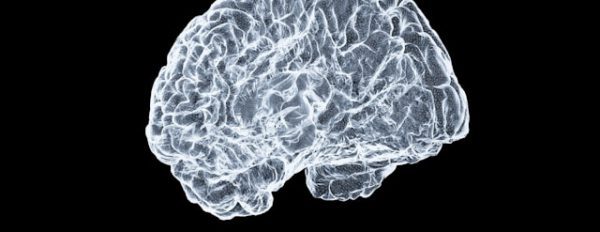
In this article: In April 2026, the largest psychedelic brain study ever published appeared in Nature Medicine. Researchers from five countries scanned more than 500 brain sessions. They found that psilocybin, LSD, mescaline, DMT, and ayahuasca all do the same two things to the human brain — despite being completely different molecules.
Here is what they found, why it matters, and what it means for the future of magic mushroom research.


