
No tiene artículos en su carrito de compras.

The Pineal Gland & the Third Eye: Melatonin, DMT, and Mysticism Explained
Publicado de: Psilocybin Science & News
The Pineal Gland, Third Eye Symbolism, Melatonin, and the DMT Theory — Explored (2026 Update)
Few topics blend science, spirituality, and psychedelic culture quite like the pineal gland third eye connection. This tiny gland deep in the brain has fascinated thinkers for centuries. Descartes called it the "seat of the soul." Similarly, Hindu and Buddhist traditions recognise it as the third eye of inner perception. More recently, researchers have explored it as a possible source of endogenous DMT. In this guide, we separate established science from theory. We also explain why the pineal gland third eye idea still captivates so many people around the world.
In this guide: What the pineal gland actually does, the third eye across spiritual traditions, the DMT theory, and how this connects to psychedelic experience and sleep.
Whether you are a newcomer or an experienced explorer, this guide offers clarity on one of the most fascinating intersections of biology and mysticism.
| Location | Deep in the centre of the brain, between the two hemispheres |
| Size | About 5–8 mm — roughly the size of a pea |
| Primary function | Melatonin production to regulate sleep-wake cycles |
| Other functions | Circadian rhythm regulation, seasonal biological changes |
| Spiritual association | "Third eye" in Hindu, Buddhist, and Western esoteric traditions |
| Speculative function | Possible endogenous DMT production (under investigation) |
The Pineal Gland Third Eye: What Science Tells Us
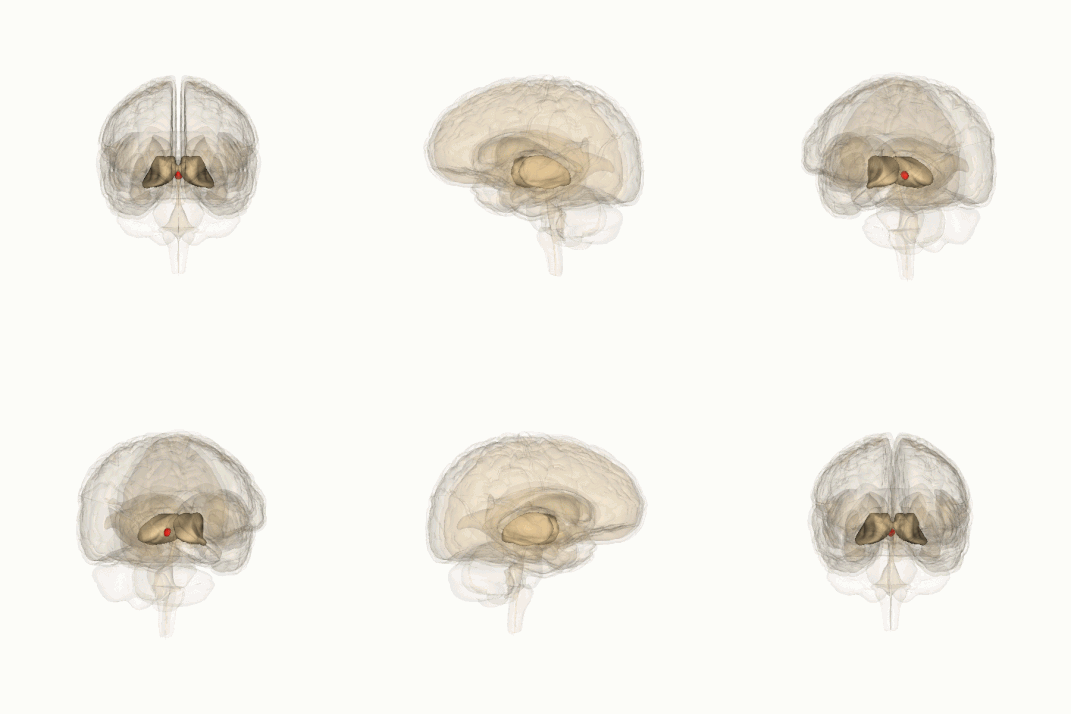
The pineal gland (or epiphysis cerebri) sits in the epithalamus, near the centre of the brain. Unlike most brain structures, it lies outside the blood-brain barrier. As a result, it responds directly to chemical signals in the blood. This unique position makes it one of the most distinctive structures in the brain.
Its main job is melatonin production. Melatonin regulates your sleep-wake cycle, also known as the circadian rhythm. Darkness activates the pineal gland, while light suppresses it. In other words, it tells your body what time of day it is. This is why bright screens at night disrupt sleep. The blue light mimics daylight and signals the gland to reduce melatonin output.
Beyond sleep, melatonin supports immune function and acts as an antioxidant. In addition, the pineal gland helps regulate seasonal biological changes in many animals. In humans, it also plays a role in puberty timing. The gland begins to calcify during adolescence. However, the exact link between calcification and puberty still requires further research.
The Third Eye Across Spiritual Traditions
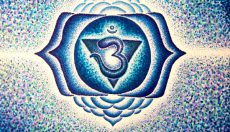
The "third eye" concept appears across many cultures worldwide. Most traditions place it between the eyebrows. In Hindu tradition, this point corresponds to the ajna chakra. The idea connects to perception beyond ordinary senses — spiritual insight, intuition, and inner knowledge.
Hindu and Yogic Tradition
In Hindu philosophy, the ajna chakra ("command centre") ranks as the sixth of seven main energy centres. It governs intuition and the ability to see beyond appearances. Practitioners develop this centre through meditation, pranayama (breathwork), and yoga. As a result, they aim to unlock higher perception.
Shiva, the deity of transcendence, often appears with a third eye on his forehead. His third eye represents perception beyond duality. In fact, the story of Shiva opening his third eye symbolises both creation and destruction.
Buddhist and Taoist Traditions
Similarly, Buddhist and Taoist traditions use related concepts. In Buddhism, the urna — the dot between the Buddha's eyebrows — represents enlightened wisdom. Meanwhile, Taoism describes an "upper cinnabar field" in the head. This serves as a centre of inner perception, much like the ajna chakra.
Western Esotericism
Western esoteric traditions took the concept further. From Freemasonry to Theosophy, writers identified the pineal gland as the physical third eye. Descartes, in the 17th century, called it the "principal seat of the soul." Although science no longer accepts this view, the idea planted a seed. Consequently, a rich esoteric tradition grew around it.
The "All-Seeing Eye" on the US dollar bill connects to this tradition. Many interpret the single eye above the pyramid as a symbol of the awakened third eye. For a deeper look at how shamanism and spiritual traditions intersect with altered states, explore our guide.
The Pineal Gland and DMT: Science vs. Speculation
The most debated claim about the pineal gland concerns DMT (dimethyltryptamine). This potent psychedelic compound also appears in ayahuasca. Rick Strassman, a psychiatrist, first proposed the connection after running DMT clinical trials in the 1990s. In his book DMT: The Spirit Molecule, he suggested that the pineal gland might release DMT during birth, death, and deep dreams. This theory generated enormous public interest.
What Research Actually Shows
Scientists have detected DMT in trace amounts in human blood, urine, and cerebrospinal fluid. Moreover, the enzymes needed to make DMT (INMT and AADC) exist in several human tissues, including the pineal gland. A landmark 2019 study in Scientific Reports showed that rat brains produce and release DMT during cardiac arrest. This suggests a real physiological source — not just a pharmacological one.
However, the same study revealed a paradox. In the pineal gland, the pathway for serotonin and melatonin production overwhelmingly dominates. As a result, the pineal may actually contribute very little to total brain DMT levels. A 2024 review in Frontiers in Psychiatry confirmed that endogenous DMT exists, but its physiological role remains unclear.
These findings raise important questions. Does the brain produce enough DMT to trigger psychedelic effects? Is the pineal gland truly the primary production site? What purpose does endogenous DMT serve? Science continues to investigate.
What Remains Speculative
The specific claim — that the pineal gland floods the brain with DMT during near-death experiences — remains unproven. Likewise, the idea of DMT surges during vivid dreams or birth lacks confirmation. Notably, the concept of "decalcifying" the pineal gland to unlock spiritual experiences stays firmly in the realm of tradition rather than verified science.
Nevertheless, this does not make the ideas wrong. It simply means they lack proof for now. Science keeps the door open on the pineal gland's relationship to altered states. That uncertainty, in fact, is part of what makes the topic so compelling.
The Pineal Gland Third Eye in Psychedelic Experience
Psychedelics like psilocybin and DMT act on serotonin receptors — especially the 5-HT2A receptor. They produce altered states that many describe in terms strikingly similar to third-eye experiences. For example, people report seeing beyond ordinary perception, feeling unity, and gaining direct insight. To understand how psychedelics affect the brain, our in-depth guide explains the neuroscience.
Whether this overlap means something deeper remains an open question. Perhaps the pineal gland third eye of spiritual tradition relates to endogenous DMT in ways we do not yet understand. Perhaps the similarity between psychedelic states and mystical experiences points to a shared neurological mechanism. For now, no one can say for certain.
However, we can explore these states responsibly. Many people use microdosing to gently explore altered perception. Others combine psychedelics with contemplative practices. Our guide on magic mushrooms and meditation covers this intersection in detail. Additionally, understanding ego death provides deeper context for the most profound psychedelic experiences.
If you want to explore the full landscape of substances, our overview of the most common types of psychedelics is a good starting point.
Melatonin, Sleep, and Modern Pineal Health
Whatever mysteries the pineal gland holds, its role in sleep regulation stands on solid ground. Unfortunately, modern life disrupts this function. Artificial light — especially blue-spectrum light from screens — suppresses melatonin production. Likewise, irregular sleep schedules and shift work interfere with the pineal gland's natural rhythm.
Fortunately, simple habits can support healthy pineal function:
These steps are not mystical practices. They simply help the pineal gland do what it does best. In fact, solid sleep hygiene supports not only your physical health but also your mental clarity and emotional resilience.
Tip: Consistent sleep supports overall wellbeing and can enhance the quality of mindful practices — whether meditation, breathwork, or intentional psychedelic exploration.
Curious about expanding awareness? Explore our magic truffles or discover microdosing for gentle exploration.
Note: If you have a mental illness and are curious about psilocybin or any other psychedelic therapy, please consult a medical professional first. Do not self-prescribe — the right support and guidance are vital when using psychedelics as medicine.


March 23, 2026