
Sie haben keine Artikel in Ihrem Warenkorb.
Timothy Leary und Ram Dass: Die Harvard-Professoren, die die Psychedelika-Forschung verändert haben
Posted under: Geschichte & Pioniere
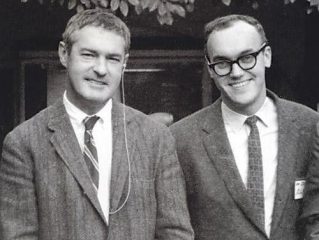
In den 1960er-Jahren veränderten zwei Harvard-Professoren, wie die westliche Welt über Bewusstsein denkt. Timothy Leary und Ram Dass – damals noch unter dem Namen Richard Alpert bekannt – begannen als akademische Kollegen. Am Ende waren sie Ikonen der psychedelischen Bewegung. Ihre Geschichte erzählt von Wissenschaft, Spiritualität und der unerschütterlichen Überzeugung, dass der menschliche Geist mehr Erforschung verdient, als er bekommt.
In diesem Porträt: Wer waren Timothy Leary und Ram Dass, und warum sind sie bis heute wichtig? Wir zeichnen ihre gemeinsame Geschichte nach – von den Hörsälen in Harvard über eine Villen-Kommune und ein Bundesgefängnis bis zu einem Ashram im Himalaya – und schauen uns an, welche bleibenden Spuren sie in der Psychedelika-Forschung und der modernen Bewusstseinsforschung hinterlassen haben.
Im Text findest du außerdem Links zu weiterführenden Artikeln, darunter unsere Ratgeber zu Set und Setting und zur heilenden Wirkung von Psilocybin.
Wer waren Timothy Leary und Ram Dass?
Beide Männer promovierten in den 1950er-Jahren in Psychologie. Beide bauten sich einen starken akademischen Ruf auf. Und 1960 lehrten beide an der Harvard University – dort lernten sie sich kennen und gründeten eine Partnerschaft, die die Kulturgeschichte umkrempeln sollte.
Timothy Leary war bereits ein angesehener klinischer Psychologe. Er hatte einflussreiche Arbeiten zur Persönlichkeitsdiagnostik veröffentlicht. Richard Alpert wiederum war ein aufstrebender Stern der Sozialpsychologie und Pädagogik. Auf dem Papier waren sie Vorzeige-Akademiker. In Wahrheit waren beide zutiefst rastlos – auf der Suche nach etwas, das die etablierte Psychologie noch nicht gefunden hatte.
Diese Suche führte beide, auf unterschiedlichen Wegen, in die Welt der Magic Mushrooms und der Psychedelika. Und sie kostete beide ihre Karriere in Harvard.
Das Harvard Psilocybin Project
Die Geschichte beginnt im Sommer 1960. Leary war in Mexiko zu Besuch, als ihn ein Freund mit Teonanácatl bekannt machte – den heiligen Pilzen, die in den Zeremonien der indigenen Mazateken seit Jahrhunderten verwendet werden. Leary sagte später, er habe „in diesen vier Stunden mehr über den Geist gelernt als in fünfzehn Jahren akademischer Forschung." Er kehrte als veränderter Mann nach Harvard zurück.
Leary nutzte seine Forschungslizenz in Harvard, um eine offizielle Studie zu Psilocybin zu starten – dem Wirkstoff in Magic Mushrooms. Er holte Richard Alpert als Partner ins Boot, und gemeinsam begannen sie das, was als Harvard Psilocybin Project bekannt wurde. Über zwei Jahre dokumentierten sie Psilocybin-Sessions mit Professoren, Doktoranden, Schriftstellern, Künstlern und anderen Freiwilligen.
Das Projekt brachte mehrere wegweisende Studien hervor. Die berühmteste war das Good Friday Experiment – auch bekannt als Marsh-Chapel-Experiment –, das 1962 von Walter Pahnke unter Learys Aufsicht durchgeführt wurde. In einem kontrollierten Rahmen erhielten Theologiestudenten vor einem Karfreitagsgottesdienst entweder Psilocybin oder ein Placebo. Die meisten, die Psilocybin bekommen hatten, berichteten von tiefgreifenden, lebensverändernden spirituellen Erfahrungen. Eine Nachfolgestudie nach 25 Jahren bestätigte, dass diese Effekte angehalten hatten.
Außerdem führten sie das Concord-Prison-Experiment durch, das untersuchte, ob Psilocybin die Rückfallquote bei Strafgefangenen senken kann. Die Ergebnisse deuteten darauf hin – die Methodik wurde später allerdings kontrovers diskutiert.
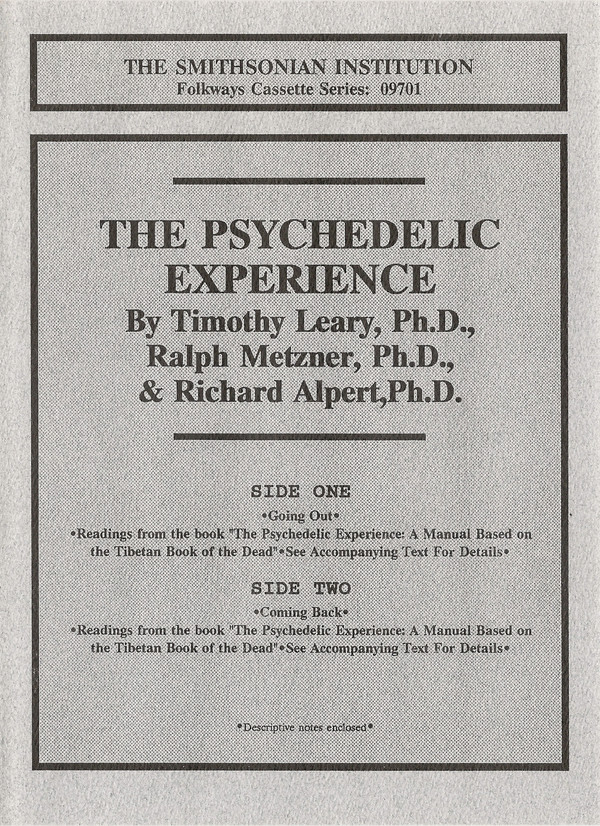
Aus dieser Arbeit entstand ein Buch. The Psychedelic Experience: A Manual Based on the Tibetan Book of the Dead wurde von Leary, Alpert und ihrem Kollegen Ralph Metzner gemeinsam verfasst. Es schöpfte aus der Weisheit des tibetischen Buddhismus und wurde zu einem praktischen Leitfaden für den Umgang mit veränderten Bewusstseinszuständen. Hier entwickelte Leary auch seine grundlegenden Ideen zu Set und Setting – der Idee, dass deine innere Einstellung und deine Umgebung die Qualität jeder psychedelischen Erfahrung prägen. Dieses Konzept ist bis heute zentral für die Forschung zur psychedelischen Therapie.
Der Rauswurf aus Harvard
Das Harvard Psilocybin Project hatte ein großes Problem: Die Forscher untersuchten Psilocybin nicht nur, sie nahmen es auch selbst. Leary und Alpert konsumierten Psilocybin regelmäßig. Mit der Zeit verlagerte sich Learys Fokus von kontrollierter Forschung hin zu einer größeren Mission – so viele Menschen wie möglich „anzuschalten". Er gab Psilocybin an Studenten im Grundstudium weiter, was gegen die Universitätsregeln verstieß und die Fakultät alarmierte.
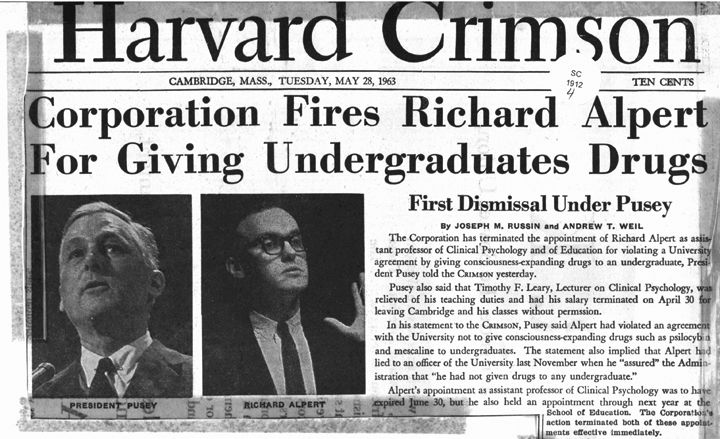
Harvard hatte unkonventionelles Verhalten eine Weile geduldet. 1963 hatte die Universität jedoch genug gesehen. Beide Männer wurden entlassen. Der Rauswurf machte in den gesamten USA Schlagzeilen. Für viele Amerikaner war es die erste Begegnung mit dem Wort „Psychedelika" – und die Männer dahinter waren sofort umstrittene Figuren.
Die Entlassung bremste keinen von beiden. Im Gegenteil: Sie befreite sie.
Millbrook House: Experimente ohne Mauern
Nach ihrem Abschied von Harvard zogen Leary und Alpert nach Millbrook im Bundesstaat New York. Eine wohlhabende Unterstützerin – Peggy Mellon Hitchcock – stellte ihnen für einen Dollar im Jahr ein weitläufiges, gut 1.000 Hektar großes Anwesen mit einer Villa mit 64 Zimmern im Zentrum zur Verfügung. Sie sagten zu.
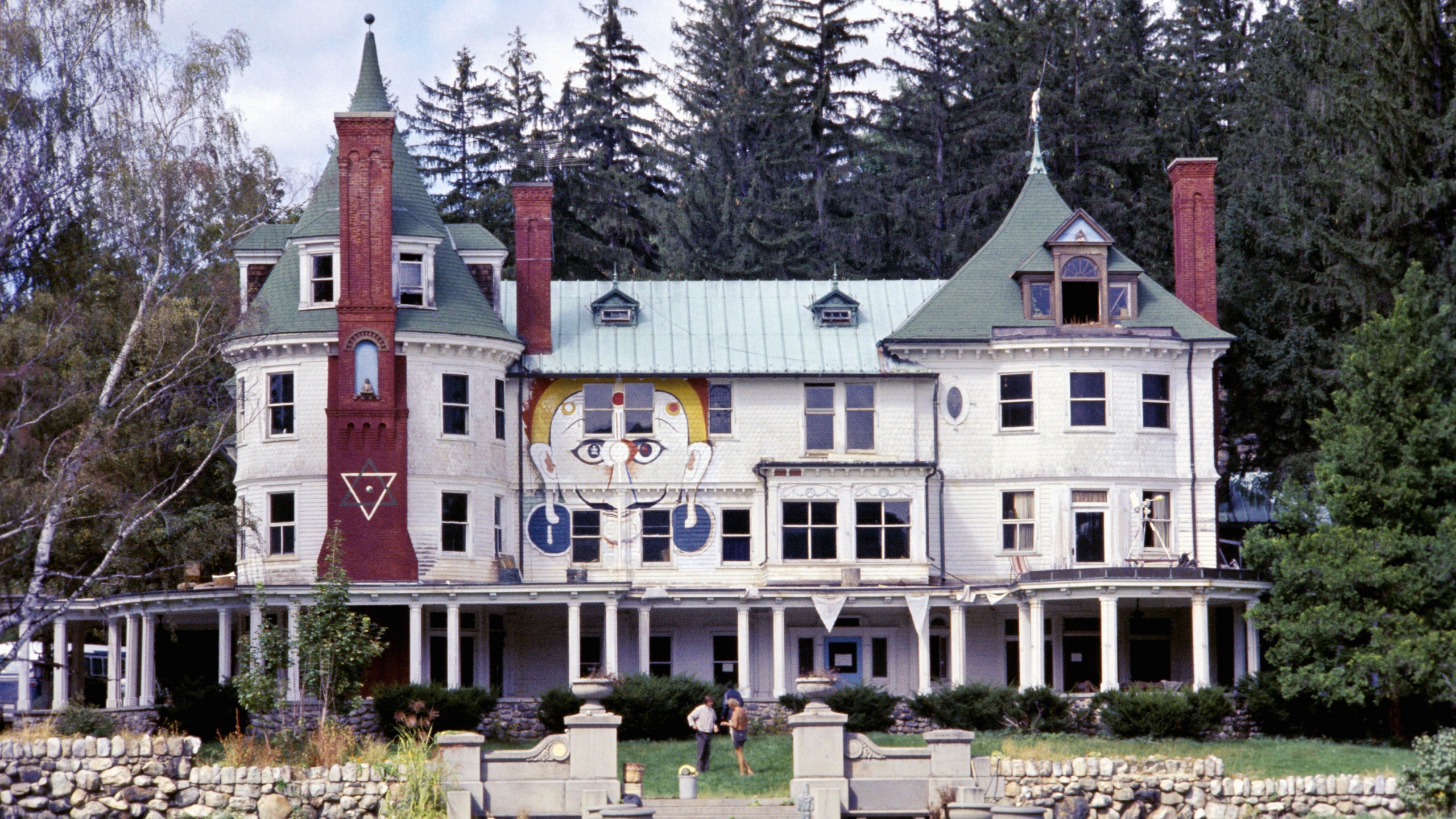
Millbrook wurde zur Kommune und zum fortlaufenden Experiment. Forscher, Künstler, Musiker und spirituell Suchende kamen und gingen. Psilocybin gehörte weiterhin zur Arbeit, daneben LSD – eine neuere und stärkere Substanz, auf die Leary aufmerksam geworden war. Die Atmosphäre war offen, bewusst gestaltet und zunehmend von östlicher Philosophie geprägt.
Mehrere Jahre lang war Millbrook ein ernstzunehmendes kreatives und spirituelles Labor. Als die Razzien der Polizei jedoch häufiger wurden, kippte die Stimmung. Die Spannungen unter den Bewohnern wuchsen. Learys öffentliche Persona – laut, provokant und medienhungrig – belastete zunehmend seine Beziehung zu Alpert, der nach etwas Ruhigerem und Tieferem suchte.
1967 traf Alpert eine entscheidende Entscheidung. Er verließ Millbrook und reiste nach Indien.
Das Vermächtnis von Timothy Leary
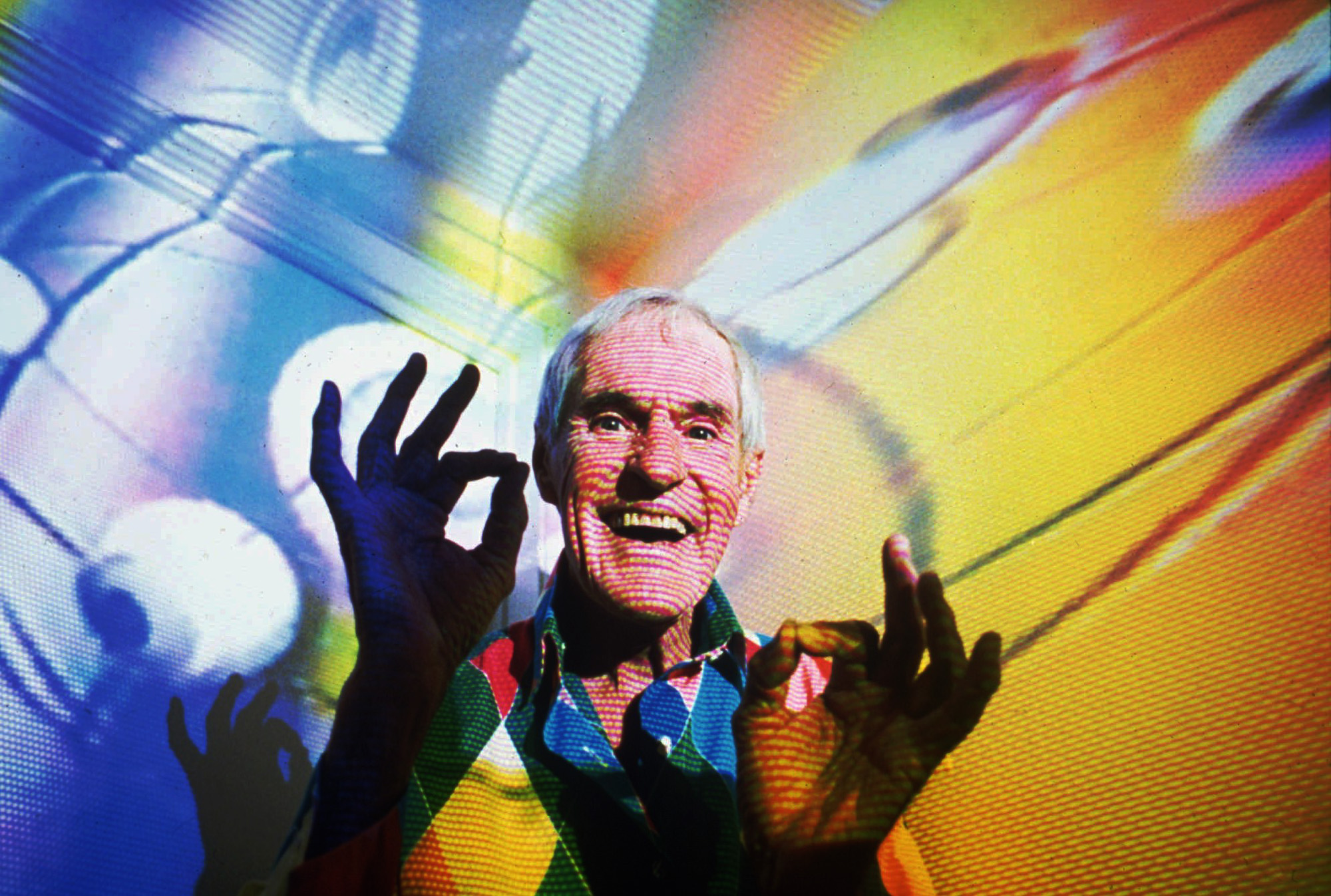
Nach Millbrook wurde Leary zu einer der bekanntesten – und polarisierendsten – Figuren Amerikas. Sein Satz „Turn on, tune in, drop out" aus dem Jahr 1966 wurde zum inoffiziellen Motto der Gegenkultur. Er sagte vor dem Kongress aus und argumentierte, Psilocybin und LSD hätten therapeutisches Potenzial und verdienten wissenschaftliche Erforschung statt Kriminalisierung.
Die US-Regierung sah das anders. Präsident Richard Nixon nannte Leary öffentlich „den gefährlichsten Mann Amerikas". Leary wurde überwacht und 1970 schließlich wegen Cannabis-Delikten verhaftet. Er wurde zu zehn Jahren Haft verurteilt, floh aber mit Hilfe der Weather Underground, einer Anti-Kriegs-Gruppe. Er setzte sich nach Algerien und dann in die Schweiz ab, bevor er 1973 erneut gefasst wurde.
Zurück in Haft drohte Leary eine Strafe von dreißig Jahren. Unter Druck erklärte er sich bereit, als Informant mit den Bundesbehörden zusammenzuarbeiten – eine Entscheidung, die seinem Ruf über Jahre anhaftete. 1976 kam er frei und stand zeitweise unter Zeugenschutz.
In seinen späteren Jahren baute Leary sein öffentliches Leben als Autor und Redner neu auf. Er begeisterte sich für neue Technologien und war ein früher Verfechter des Internets als Werkzeug zur Bewusstseinserweiterung. 1995 wurde bei ihm inoperabler Prostatakrebs diagnostiziert, und er ging mit seinem Tod so respektlos um wie mit allem anderen. Timothy Leary starb am 31. Mai 1996 in Beverly Hills, Kalifornien. Er wurde 75 Jahre alt. Wie gewohnt dokumentierte er den Prozess öffentlich – und ließ sogar einen Teil seiner Asche ins All schießen.
Heute gelten die Grundlagen, die Timothy Leary und Ram Dass gemeinsam in Harvard gelegt haben, als echter Wendepunkt der psychedelischen Wissenschaft. Die Harvard Medical School veröffentlicht heute selbst aktiv Forschung zur psychedelischen Therapie – genau dem Feld, das Leary vor sechs Jahrzehnten den Job gekostet hat.
Die Wandlung von Ram Dass
Als Richard Alpert 1967 in Indien ankam, war er ein frustrierter Akademiker auf der Suche nach Antworten, auf die Psilocybin und LSD hingedeutet, die sie aber nie ganz geliefert hatten. Am Fuß des Himalaya fand er, was er suchte.
Alpert traf einen hinduistischen Guru namens Neem Karoli Baba – von seinen Anhängern Maharajji genannt. Die Begegnung veränderte alles. Maharajji gab ihm den Namen Ram Dass, was „Diener Gottes" bedeutet. Er schickte Ram Dass mit einer einfachen Anweisung zurück nach Amerika: Teile, was du gelernt hast.
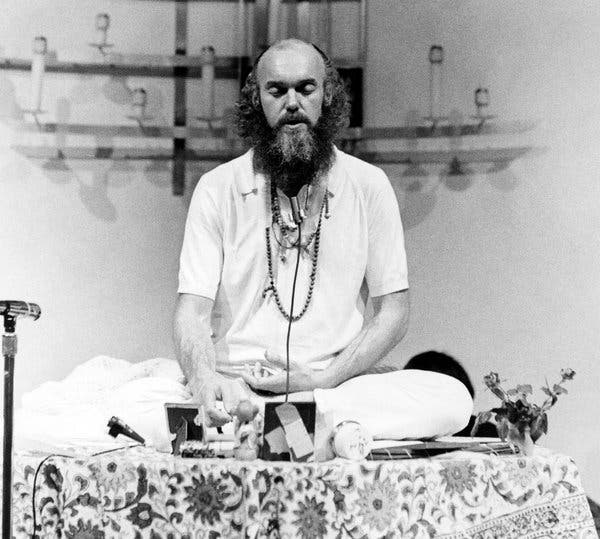
Ram Dass kehrte 1969 in die USA zurück und zog sofort eine große Anhängerschaft an. Die Menschen sehnten sich nach einer Spiritualität, die praktisch und direkt war und an keine einzelne Tradition gebunden. Genau das bot Ram Dass. Er gab Workshops, hielt Vorträge und lehrte eine Mischung aus Yoga, Meditation und hingebungsvoller Praxis, die er aus seiner Zeit in Indien mitgebracht hatte. Seine Verbindung zu Yoga und kontemplativen Traditionen verlieh seiner Lehre eine Tiefe, die weit über die psychedelische Szene hinaus Anklang fand.
1971 veröffentlichte er Be Here Now – ein handillustriertes Buch, das seine Autobiografie, indische Philosophie und praktische Anleitungen für die spirituelle Praxis miteinander verband. Es verkaufte sich mehr als zwei Millionen Mal. Es machte eine ganze Generation westlicher Leser mit Konzepten wie Präsenz, Vergänglichkeit und Ego-Auflösung vertraut – Ideen, für die Psychedelika die Tür geöffnet hatten, die Ram Dass nun aber auf anderen Wegen erkundete. Das Vermächtnis von Be Here Now prägt bis heute Leser, Lehrer und Therapeuten.
Ram Dass widmete sich außerdem intensiv dem Thema, gut zu sterben. Er war Mitgründer von Organisationen, die Menschen bei schwerer Krankheit und im Sterben begleiten. Er hielt Vorträge und schrieb Bücher dazu und vertrat die Ansicht, dass man dem Tod – wie veränderten Bewusstseinszuständen – mit Neugier statt mit Angst begegnen sollte. Diese Arbeit knüpfte direkt an seine frühere psychedelische Forschung an. Seine Erfahrungen damit, wie Psychedelika den Geist beeinflussen, hatten ihm gezeigt, dass die Grenzen des Selbst weit weniger fest sind, als die meisten Menschen annehmen.
Timothy Leary und Ram Dass: das letzte Kapitel
Trotz der ganz unterschiedlichen Wege, die sie nach Millbrook einschlugen, blieben Timothy Leary und Ram Dass einander verbunden. Als bei Leary 1995 unheilbarer Prostatakrebs diagnostiziert wurde, bat er Ram Dass, ihm beim Sterben beizustehen. Ram Dass kam. Die beiden alten Freunde verbrachten Learys letzte Monate gemeinsam – ein Wiedersehen, das im Film Dying to Know von 2014 dokumentiert ist.
Es war ein passender Abschluss einer gemeinsamen Geschichte. Der Mann, der die westliche Welt für Psychedelika begeistert hatte, und der Mann, der ihre Lektionen in spirituelle Praxis übersetzt hatte, saßen am Ende zusammen. Zwei sehr unterschiedliche Vermächtnisse, verwurzelt im selben Moment in einem Harvard-Labor.
Ram Dass erlitt 1997 einen Schlaganfall, der eine teilweise Lähmung und Aphasie zur Folge hatte. Er beschrieb den Schlaganfall nicht als Katastrophe, sondern als „fierce grace" – eine „erbarmungslose Gnade", eine Lehre des Universums. Er schrieb, sprach und lehrte noch zwei weitere Jahrzehnte. Ram Dass starb am 22. Dezember 2019 in seinem Haus auf Maui, Hawaii. Er wurde 88 Jahre alt.
Ihr bleibender Einfluss auf die Psychedelika-Forschung
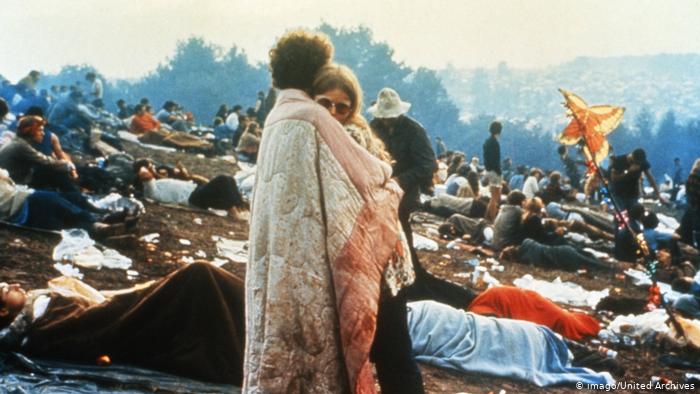
Die Arbeit, die Timothy Leary und Ram Dass Anfang der 1960er-Jahre in Harvard begannen, wurde jahrzehntelang unter einer Welle von Verboten begraben. Die Forschung zu Psilocybin und anderen klassischen Psychedelika kam mit Beginn der 1970er-Jahre praktisch zum Erliegen. Doch die Samen, die sie gesät hatten, verschwanden nicht.
Die 25-Jahre-Nachfolgestudie zum Good Friday Experiment, veröffentlicht 1991, bestätigte, dass die Teilnehmer ihre Psilocybin-Session weiterhin zu den bedeutsamsten Erfahrungen ihres Lebens zählten. 2006 wiederholten Forscher der Johns Hopkins University das Experiment unter strengen Bedingungen und kamen zu denselben Ergebnissen. Diese Studien trugen dazu bei, die wissenschaftliche Debatte wieder zu eröffnen, die Leary und Alpert angestoßen hatten.
Heute wird Psilocybin an großen Institutionen weltweit auf sein Potenzial bei der Behandlung von Depressionen, Angststörungen, PTBS und Sucht untersucht. Das Konzept von Set und Setting – entwickelt während des Harvard Psilocybin Project – ist heute ein Grundprinzip jeder klinischen Psychedelika-Studie. Forscher, die Leary früher nie zitiert hätten, greifen heute auf Konzepte zurück, die er und Alpert gemeinsam erarbeitet haben.
Das ist die psychedelische Renaissance. Und ihre Wurzeln reichen direkt zurück zu diesen frühen Experimenten. Wenn du verstehen willst, woher die moderne Psilocybin-Therapie kommt, ist die Geschichte von Timothy Leary und Ram Dass der richtige Einstieg.
Ihr Einfluss reicht auch über die klinische Forschung hinaus. Die kulturelle Debatte rund um Microdosing, das wachsende Interesse an schamanischen Traditionen und die Bewegung hin zu bewusster zeremonieller Anwendung spiegeln alle den Bewusstseinswandel wider, den Leary und Alpert mit angestoßen haben. Selbst die Art, wie viele Menschen heute an eine psychedelische Erfahrung herangehen – mit Vorbereitung, klarer Intention und Sorgfalt –, spiegelt die Prinzipien wider, die in diesen frühen Harvard-Sessions erarbeitet wurden.
Fazit
Timothy Leary und Ram Dass waren keine Heiligen. Sie machten schwere Fehler. Learys Leichtsinn trug zum politischen Gegenschlag bei, der die Psychedelika-Forschung um dreißig Jahre zurückwarf. Alperts frühe Experimente in Harvard warfen berechtigte ethische Fragen auf. Aber ihr Mut – intellektuell, spirituell und persönlich – half dabei, eine Tür aufzustoßen, die heute endlich wieder weit offen steht.
Sie zeigten, dass veränderte Bewusstseinszustände ernsthafte Aufmerksamkeit verdienen. Dass der Geist weit größer ist, als der Alltag vermuten lässt. Und dass Psilocybin – der Wirkstoff im Herzen der Magic Mushrooms – eine der bemerkenswertesten Substanzen ist, die je erforscht wurden. Die Traditionen dahinter sind uralt. Die Wissenschaft drumherum ist jung und wächst schnell. Und einen Teil dieses Wachstums verdanken wir zwei neugierigen, sturen Professoren, die alles riskierten, um den Fakten zu folgen.
Neugierig auf die Welt der Psilocybin-Pilze? Entdecke unsere Magic Mushroom Grow Kits und
– und stöbere im Blog des Magic Mushrooms Shop nach weiteren Psychedelika-Porträts und Anbauanleitungen.
Hinweis: Wenn du an einer psychischen Erkrankung leidest und dich für die Anwendung von Psilocybin oder einer anderen psychedelischen Therapie interessierst, sprich bitte zuerst mit einer zuständigen medizinischen Stelle. Verschreibe dir nichts selbst – bei der Anwendung von Psychedelika als Medizin sind die richtige Unterstützung und Begleitung unverzichtbar.


March 23, 2026