
Sie haben keine Artikel in Ihrem Warenkorb.

Psychedelika & Trauma: MDMA, Psilocybin und die Heilungsforschung (Update 2026)
Posted under: Psilocybin-Wissenschaft & News
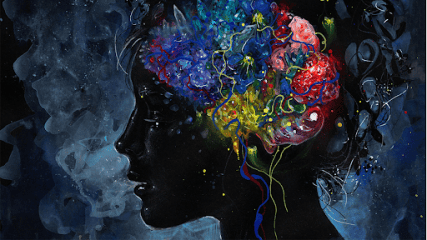
Wie MDMA, Psilocybin und andere Psychedelika als Hilfsmittel zur Heilung von Traumata erforscht werden – inklusive der Sichtweise von Gabor Maté. (Update 2026)
In diesem Artikel: Die Forschung zu Psychedelika und Traumaheilung liefert einige der überzeugendsten Ergebnisse der modernen Psychiatrie. MDMA-gestützte Therapie bei PTBS, Psilocybin bei Depressionen, die in Traumata wurzeln – die Studienlage wird immer besser.
Hier werfen wir einen Blick auf die Wissenschaft, die Wirkmechanismen und die Perspektiven wichtiger Denker auf diesem Gebiet, darunter der Arzt und Autor Gabor Maté.
Ein Trauma ist kein Ereignis. Es ist das, was im Inneren eines Menschen passiert, als Reaktion auf ein Ereignis, das in dem Moment einfach zu viel war, um es zu verarbeiten. Das ist eine der zentralen Erkenntnisse der modernen Traumaforschung, und sie verändert grundlegend, wie wir über Heilung denken.
Wenn Trauma im Körper und im Nervensystem gespeichert ist – nicht nur in Erinnerungen, sondern auch in körperlichen Mustern von Anspannung, Übererregung und innerer Abkopplung –, dann braucht Heilung mehr als darüber zu reden. Sie muss genau dort ansetzen, wo das Trauma tatsächlich gespeichert ist.
Genau deshalb stoßen Psychedelika als Hilfsmittel bei der Traumabehandlung auf so großes ernsthaftes Interesse. Sie scheinen etwas zu leisten, was die meisten herkömmlichen Therapien nicht schaffen: Sie schaffen Bedingungen, unter denen tief vergrabenes Material an die Oberfläche kommen, gefühlt und verarbeitet werden kann – statt nur beschrieben zu werden.
Gabor Maté und der körperbasierte Blick auf Trauma
Kein zeitgenössischer Denker hat das gängige Verständnis von Trauma stärker verändert als Gabor Maté – der ungarisch-kanadische Arzt, Redner und Autor, dessen Arbeit zu Sucht, Kindheitstrauma und der Verbindung von Körper und Geist Millionen Menschen weltweit erreicht hat.
Matés Kernthese lautet: Die meisten Suchterkrankungen, chronischen Krankheiten und psychischen Störungen lassen sich nicht verstehen, ohne die traumatischen Erfahrungen – oft aus der Kindheit – zu betrachten, die dahinterliegen. Der Körper vergisst nichts, wie es so schön heißt. Unterdrückte Gefühle, unausgedrückte Trauer und unverarbeitete Angst verschwinden nicht einfach. Sie werden zu Biologie.
Maté setzt sich offen für psychedelisch unterstützte Therapie ein, insbesondere für Ayahuasca, das er im therapeutischen Rahmen bei tief traumatisierten Menschen eingesetzt hat. Seiner Ansicht nach können Psychedelika Menschen helfen, Zugang zu emotionalem und psychischem Material zu finden, das jahrzehntelang abgespalten war – Material, das heilen kann, wenn man sich ihm endlich stellt und es fühlt.
Mehr über Gabor Matés Sichtweise und Arbeit erfährst du in unserem Porträt von Gabor Maté.
MDMA-gestützte Therapie bei PTBS
Die am weitesten fortgeschrittene klinische Forschung zu Psychedelika und Trauma konzentriert sich auf die MDMA-gestützte Therapie bei posttraumatischer Belastungsstörung (PTBS). Die Forschung wurde vor allem von der Multidisciplinary Association for Psychedelic Studies (MAPS) vorangetrieben, und ihre Ergebnisse sind wirklich bemerkenswert.
In klinischen Studien der Phase 3 erfüllten rund 67 % der Teilnehmenden, die eine MDMA-gestützte Therapie erhielten, nach der Behandlung nicht mehr die Diagnosekriterien für PTBS – in der Placebogruppe waren es 32 %. Viele dieser Teilnehmenden hatten eine therapieresistente PTBS – das heißt, sie hatten auf herkömmliche Behandlungen wie Gesprächstherapie und Medikamente nicht angesprochen. Nach gängigen Maßstäben hätten sich diese Menschen eigentlich nicht erholen dürfen. Viele taten es trotzdem.
MDMA scheint in diesem Zusammenhang zu wirken, indem es vorübergehend die Aktivität in der Amygdala – dem Angstverarbeitungszentrum des Gehirns – dämpft und gleichzeitig Vertrauen, Empathie und ein Gefühl von Sicherheit stärkt. So entsteht ein Zeitfenster, in dem traumatische Erinnerungen erneut aufgesucht und verarbeitet werden können, ohne die überwältigende Angstreaktion, die das normalerweise unmöglich macht. Die traumatische Erinnerung wird nicht gelöscht; vielmehr wird die emotionale Ladung auf ein erträgliches Maß reduziert.
Psilocybin und traumabedingte Depressionen
Während sich die MDMA-Forschung gezielt auf PTBS konzentriert, haben Psilocybin-Studien zunehmend Trauma als wichtigen Auslöser der Depressionen und Ängste identifiziert, die sich damit offenbar wirksam behandeln lassen. Viele Teilnehmende von Psilocybin-Studien berichten, dass sie während ihrer Sitzungen spontan Zugang zu traumatischen Erinnerungen bekamen – Erinnerungen, die jahrelang unterdrückt oder abgespalten waren – und dass sie sich nach der Erfahrung befreit und mit dem Erlebten versöhnt fühlten.
Forschungen des Imperial College London und der Johns Hopkins University haben deutliche und anhaltende Verbesserungen der Depressionswerte nach einer Psilocybin-gestützten Therapie gezeigt. In mehreren Fällen waren Teilnehmende, die jahrzehntelang depressiv gewesen waren, schon nach ein oder zwei Sitzungen vollständig symptomfrei. Die Stärke der Wirkung hängt eng mit der Tiefe der Erfahrung zusammen – insbesondere mit Erfahrungen, die von emotionaler Befreiung und einem Gefühl von Einheit oder Verbundenheit geprägt sind.
Mehr darüber, wie Psilocybin im Gehirn wirkt, findest du in unserem Artikel über Pilze und den Geist.
Warum Psychedelika möglicherweise gelingt, was andere Therapien nicht schaffen
Klassische Gesprächstherapien – kognitive Verhaltenstherapie, tiefenpsychologisch fundierte Therapie und andere – haben ihren echten Wert. Gerade bei Trauma stoßen sie jedoch an Grenzen. Eine der wichtigsten: Sie stützen sich vor allem auf den rationalen, sprachlichen Verstand. Trauma ist aber oft an Orten gespeichert, die der rationale, sprachliche Verstand nur schwer erreicht.
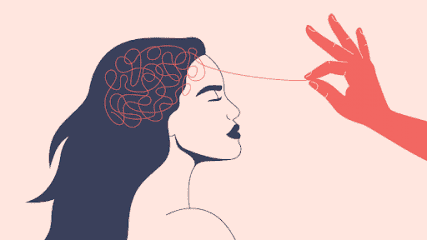
Psychedelika scheinen einen anderen Zugang zum Gehirn zu finden. Sie verringern die Dominanz des Default-Mode-Netzwerks – der mentalen Struktur, die mit selbstbezogenem Denken und der Konstruktion des „normalen“ Selbstbilds verbunden ist – und lassen andere Hirnregionen freier miteinander kommunizieren. Dadurch entsteht eine Art Flexibilität in der inneren Landschaft, die zuvor unzugängliches Material leichter erreichbar macht.
Wieder mit dem Körper in Verbindung kommen
Ein immer wiederkehrendes Thema in Traumaberichten ist die Dissoziation – das Gefühl, vom eigenen Körper, von Emotionen und vom gegenwärtigen Moment abgeschnitten zu sein. Psychedelika scheinen das umzukehren, oft auf dramatische Weise. Menschen, die jahrelang emotional taub waren, berichten, dass sie in einer Psilocybin-Sitzung hemmungslos weinen konnten. Menschen, die sich von ihrem Körper getrennt gefühlt haben, beschreiben, dass sie sich intensiv, ja sogar unangenehm präsent in ihm gespürt haben.
Diese Wiederverbindung wird – so unangenehm sie im Moment auch sein mag – oft als Beginn der Heilung beschrieben. Die Fähigkeit zu fühlen ist nicht das Problem, sondern in Wahrheit die Lösung. Das Ziel ist, die Fähigkeit zu entwickeln, das zu fühlen, was früher zu überwältigend war, in einem Rahmen, in dem es nun gehalten werden kann.
Die Rolle therapeutischer Begleitung
Es ist wichtig, klar zu benennen, in welchem Rahmen diese Ergebnisse zustande kommen. Die positiven Resultate der Traumaforschung sind nicht allein der Substanz zu verdanken. Sie sind das Ergebnis sorgfältiger Vorbereitung, erfahrener therapeutischer Begleitung während der Erfahrung und gründlicher Integrationsarbeit danach.
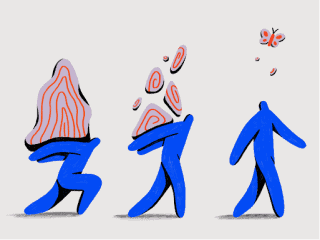
Wer versucht, ohne ausreichende Unterstützung mit Psychedelika Traumata zu verarbeiten, wird nicht nur kaum dieselben Ergebnisse erzielen – es kann auch ernsthaft gefährlich sein. Traumatisches Material kann überwältigend sein, wenn es an die Oberfläche kommt. Die Aufgabe einer erfahrenen Therapeutin oder eines erfahrenen Therapeuten ist es, der Person zu helfen, bei dem zu bleiben, was auftaucht, ohne davon überflutet zu werden, und die Integration der Erfahrung danach zu begleiten.
Mehr zum Thema Integration findest du in unserem Ratgeber zur Integration deiner psychedelischen Erfahrung.
Wohin sich die Forschung entwickelt
Das Feld entwickelt sich rasant. Stand 2026 wird die MDMA-gestützte Therapie bei PTBS in mehreren Ländern behördlich geprüft. Die Psilocybin-gestützte Therapie hat von der FDA den Status „Breakthrough Therapy“ für therapieresistente Depressionen und schwere depressive Störungen erhalten. Mehrere Länder, darunter Australien, haben Schritte hin zu einer regulierten therapeutischen Anwendung unternommen.
Auch das gesellschaftliche Verständnis von Trauma verändert sich – nicht zuletzt durch den Einfluss von Denkern wie Gabor Maté, Bessel van der Kolk und anderen, die den körperbasierten Blick auf Trauma einem breiten Publikum zugänglich gemacht haben. Je mehr sich dieses Verständnis durchsetzt, desto nachvollziehbarer werden Ansätze, die auf der Körperebene ansetzen – darunter auch die psychedelisch unterstützte Therapie.
Erfahre mehr über das Heilungspotenzial von Psychedelika – stöbere in unserem Blog oder entdecke unser Sortiment an
.
Hinweis: Wenn du an einer psychischen Erkrankung leidest und dich für Psilocybin oder eine andere psychedelische Therapie interessierst, sprich bitte zuerst mit einer zuständigen medizinischen Fachstelle. Verschreibe dir nichts selbst – gerade beim Einsatz von Psychedelika als Medizin ist die richtige Unterstützung und Begleitung entscheidend.


May 4, 2023