
O seu carrinho de compras está vazio

What to Expect at a Psychedelic Retreat: Preparation, Ceremony & Integration (2026)
Posted under: Trip Guides & Preparation
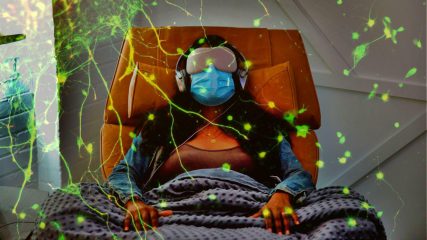
Preparation, ceremony, and integration — what to expect at a psychedelic retreat in 2026, how to choose one safely, and which countries allow them.
In this guide: A practical overview of what to expect at a psychedelic retreat — from screening and preparation through ceremony to integration. We also cover which countries host legal retreats, recent safety concerns, and the questions you should ask before booking.
This guide serves educational purposes only. We share this information to help you make informed decisions — not to encourage any particular choice.
A psychedelic retreat offers a structured, guided way to approach a psychedelic experience. Over the past few years, these retreats have grown rapidly across Europe, the Americas, and beyond. However, quality varies enormously. Some centres provide excellent, professional care. Others lack proper safety protocols and put participants at risk.
This guide walks you through the full process. We also highlight what recent research says about safety — because choosing the right psychedelic retreat matters as much as the experience itself. For background on the substances involved, see our guide on what magic mushrooms are and our overview of the most common types of psychedelics.
What Is a Psychedelic Retreat?
A psychedelic retreat is a structured programme — typically lasting two days to a week — designed to support participants through a psychedelic experience in a safe, guided setting. The word "retreat" reflects a deliberate withdrawal from everyday life to create space for inner work.
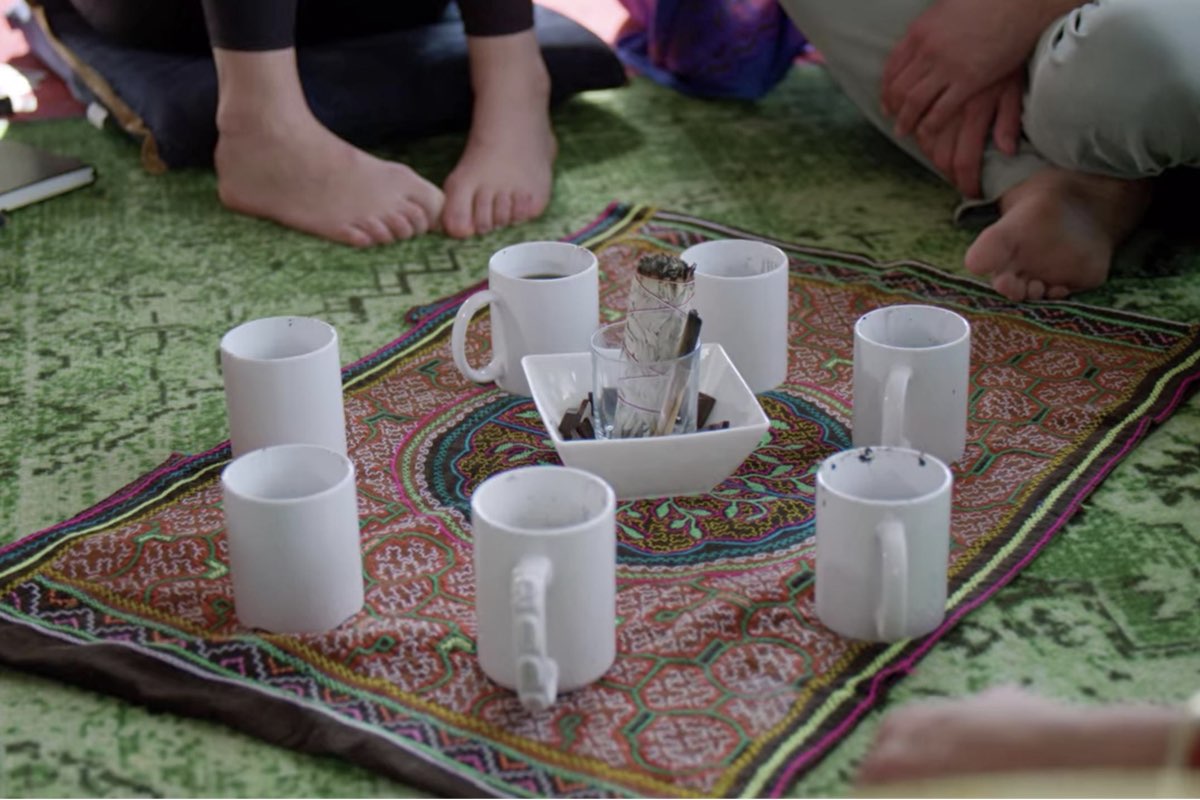
Retreats differ fundamentally from unstructured recreational use. Instead, they centre on set and setting — the principle that your mindset and environment shape the experience as much as the substance itself. Most retreats use psilocybin mushrooms or truffles, ayahuasca, or (less commonly) ibogaine. Each substance creates a different structure, partly because of varying duration and intensity.
Where Can You Attend a Psychedelic Retreat?
The legal landscape for a psychedelic retreat varies by country and substance. Below is a current overview of the main destinations.
| Country / Region | Substance | Legal Status |
|---|---|---|
| The Netherlands | Psilocybin truffles | Legal. Professional retreat centres operate openly throughout the country. |
| Oregon (USA) | Psilocybin | Legal since 2023. Licensed service centres with mandatory facilitator training. |
| Colorado (USA) | Psilocybin | Legal framework active since 2024. Regulated healing centres. |
| Jamaica | Psilocybin | No prohibition on psilocybin mushrooms. Growing retreat industry. |
| Peru | Ayahuasca | Legal. Traditional use protected. Largest concentration of ayahuasca retreats worldwide. |
| Brazil | Ayahuasca | Legal for religious and traditional use. |
| Costa Rica | Psilocybin, ayahuasca | No specific prohibition. Growing number of retreat centres. |
| Portugal | Various | Personal possession decriminalised. Some retreat operations in legal grey areas. |
| Australia | Psilocybin | Authorised for supervised psychiatric use since July 2023. Clinical setting only. |
The Netherlands: Most Accessible in Europe
The Netherlands stands out because magic truffles (containing psilocybin) remain fully legal. As a result, professional psychedelic retreat centres operate openly across the country. Most offer one-day or multi-day programmes with trained facilitators, thorough screening, and integration support. Prices typically range from €1,300 to €2,500 for a multi-day programme.

Oregon and Colorado: Regulated Models
Oregon's Measure 109 (passed 2020, operational 2023) created the world's first fully regulated psilocybin service model. Colorado followed in 2024. Both require licensed facilitators with mandatory training. These represent the most carefully regulated psychedelic retreat systems globally.
Peru and Ayahuasca
Peru hosts the largest concentration of ayahuasca retreats in the world. However, quality varies dramatically. In 2024, the US Embassy in Peru issued a warning to American tourists about ayahuasca and kambo use, citing several deaths and severe illnesses. For essential background, see our guide on ayahuasca — history, effects, and safety.
The Psychedelic Retreat Process: Phase by Phase
1
Screening and Intake
Screening and Intake
Every reputable psychedelic retreat begins with a screening process. This typically involves a health questionnaire and often a call with a facilitator. Screening identifies contraindications — medical or psychological conditions that make the experience inadvisable.
Common contraindications include a personal or family history of psychosis, schizophrenia, or bipolar disorder. Current use of lithium, MAOIs, or certain SSRIs also poses risks. Additionally, severe cardiovascular conditions require careful evaluation. This step protects both you and other participants.
2
Preparation
Preparation
Most retreats include a preparation phase — either before arrival or on day one. Activities often include group sharing circles, guided meditation, breathwork, and individual conversations with facilitators about intentions and concerns.
Intention-setting sits at the heart of preparation. Facilitators invite you to reflect on what you bring to the experience: what you want to explore, what you feel ready to confront, and what you hope to release. Rather than controlling the outcome, intention-setting means showing up consciously.
Practical preparation tips: Most centres recommend reducing alcohol and recreational drugs in the weeks before. Eat simply and lightly on the ceremony day. Get good rest beforehand. Some centres also suggest meditation or journalling in the lead-up. Always follow the specific guidance from your chosen centre.
3
The Ceremony
The Ceremony
The ceremony forms the heart of the psychedelic retreat. For psilocybin or truffle ceremonies, it typically lasts four to eight hours. Ayahuasca ceremonies often span several evenings, each lasting considerably longer.
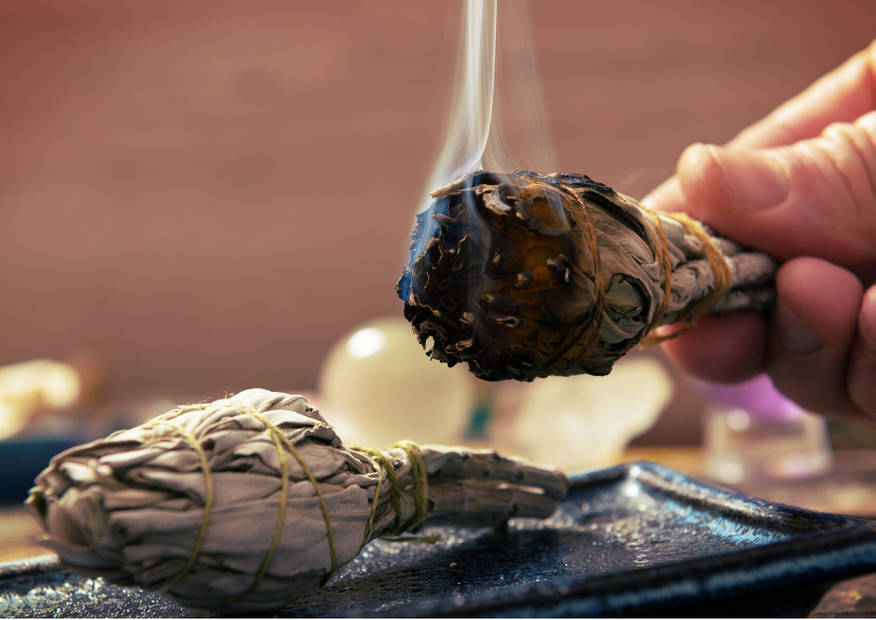
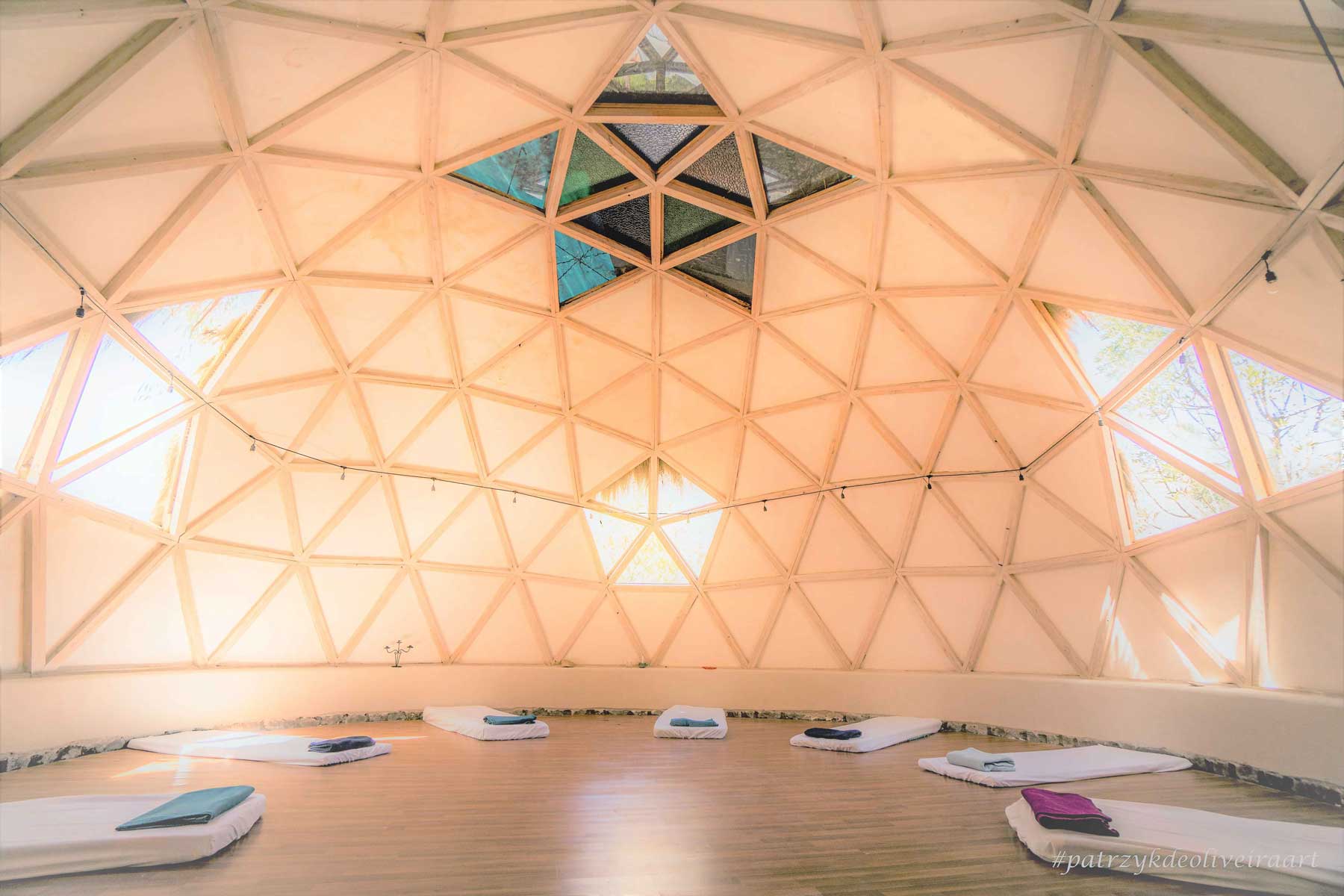
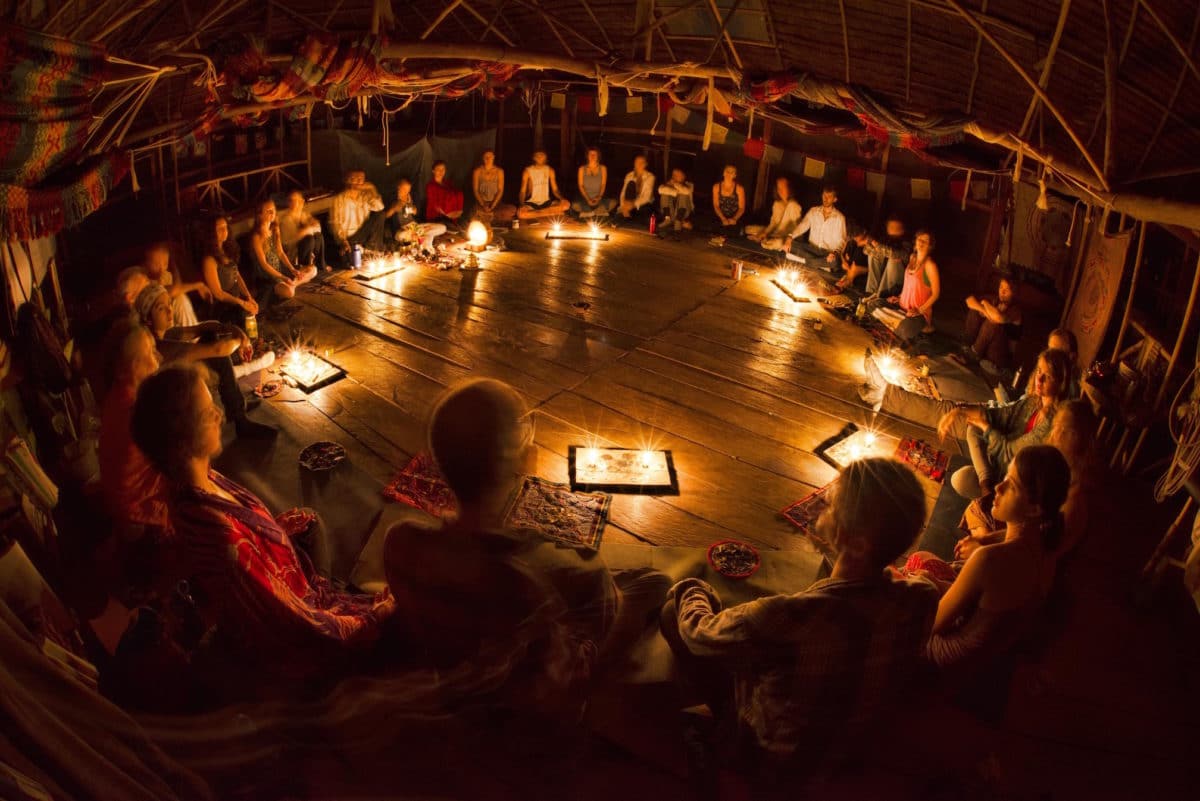
Physical setup matters enormously. Most retreats create a considered ceremonial space with comfortable mats, soft lighting, and curated music. Research consistently shows that music significantly shapes the content and quality of the experience. Some ceremonies include traditional elements — chanting, incense, or intentional silence. Others take a more clinical approach.
Facilitators do not guide the content of your experience. Instead, they provide a safe container: reassurance if anxiety arises, physical support if needed, and a calm presence throughout. For more on shamanic approaches to mushroom experiences, see our dedicated guide.
4
Immediate Aftercare
Immediate Aftercare
The hours after ceremony matter just as much as the ceremony itself. Most retreats build in structured time for rest, light food, and gentle reorientation. Many people feel tender, open, and emotionally raw during this period — and that response is entirely normal.
Trained facilitators remain available to help process what arose. Sharing circles — where participants can speak about their experience — offer a common form of post-ceremony support.
5
Integration
Integration
Integration means making sense of the experience and allowing its insights to take root in everyday life. Experts widely consider this the most important phase — yet it also gets neglected most often.
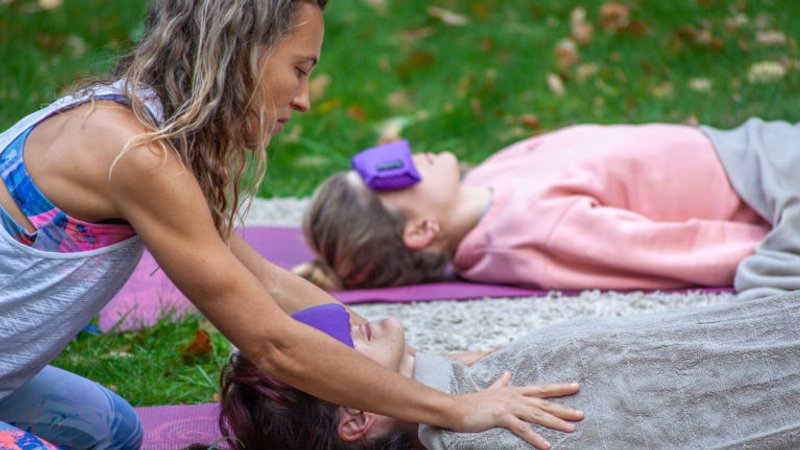
Good retreats provide integration support both during and after the programme. This may include follow-up calls, resources for continued reflection, and referrals to integration therapists. Informal practices also help: journalling, spending time in nature, creative expression, meditation, and talking with trusted people. For a broader perspective, our guide on how to turn your experience into a ceremony offers useful framing.
Safety Concerns: What Recent Research Reveals
As psychedelic retreat popularity has surged, so have safety concerns. A January 2026 study in JAMA Network Open interviewed representatives from 49 retreat organisations. The findings deserve attention:
As psychiatrist Arthur Lazarus wrote in January 2026: "A culture that frames deterioration as 'spiritual resistance' and discourages medical help is itself a safety hazard." This honest assessment highlights why choosing carefully matters so much.
US Embassy warning (2024): The US Embassy in Peru issued a formal warning about ayahuasca and kambo use, citing multiple American deaths and severe illnesses during retreats. If you consider an ayahuasca retreat, research the specific centre thoroughly.
10 Questions to Ask Before Booking a Psychedelic Retreat
Before committing to any psychedelic retreat, ask these questions directly. A reputable centre will answer openly and transparently. If they deflect, consider that a red flag.
These questions draw on guidance from Confluence Retreats and the JAMA safety study. Taking time to ask them can genuinely protect your wellbeing.
Red Flags When Choosing a Psychedelic Retreat
Beyond asking the right questions, watch out for warning signs. The following red flags should give you serious pause:
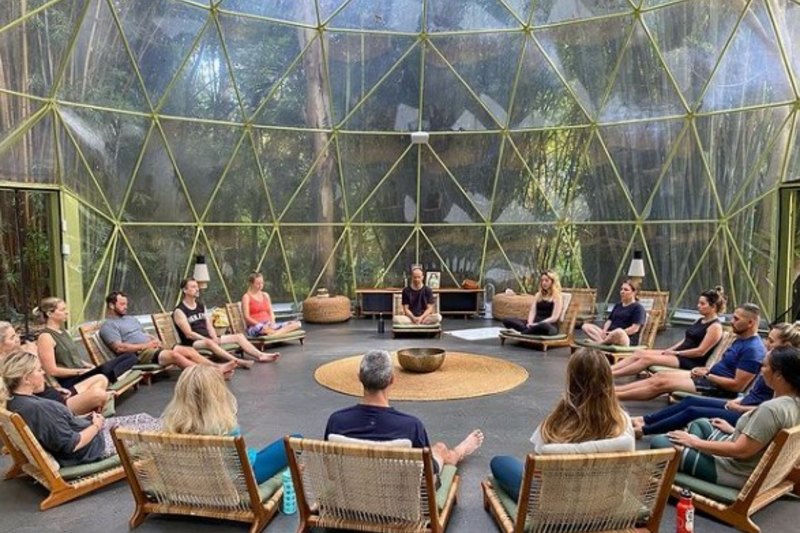
Remember: A legitimate psychedelic retreat will always prioritise your safety over profit. If anything feels off during the booking process, trust that instinct.
What People Experience at a Psychedelic Retreat
Experiences at a psychedelic retreat vary enormously from person to person. Some people report profoundly positive, even life-changing sessions. Others face challenging, difficult material that nonetheless produces lasting insight. Some have quiet, subtle experiences. All of these are valid and normal.
Research from both clinical trials and retreat settings consistently shows that outcomes depend heavily on preparation, intention, and integration. Good retreat programmes focus precisely on these three elements. For practical preparation advice, our guides on the 9 steps to a good experience and how to turn your trip into a ceremony offer useful reading.
If you are curious about lower-dose approaches before committing to a full retreat, also explore our guides on what microdosing is and how to microdose magic truffles.
Curious about psilocybin at home before attending a psychedelic retreat? Explore our magic truffles range — legal in the Netherlands, with guidance for responsible use.
Medical disclaimer: If you experience mental health difficulties and feel curious about psilocybin or other psychedelic therapy, please consult a qualified healthcare professional first. Do not self-prescribe psychedelic substances. A psychedelic retreat does not replace professional medical care.


March 28, 2026