
O seu carrinho de compras está vazio

Shamanism and Magic Mushrooms: An Ancient Relationship
Posted under: Psychedelic Culture
Shamanism and magic mushrooms have been intertwined for thousands of years. Long before modern science took an interest in psilocybin, indigenous cultures around the world were using sacred mushrooms as tools for healing, guidance, and connecting with the spiritual world. Understanding this deep history helps us appreciate — and respect — what these fungi really mean.
In this post: Discover the ancient roots of shamanism and magic mushrooms — from cave paintings to modern ceremony. Learn about the role of the shaman, the story of María Sabina, and how you can bring a mindful, ceremonial approach to your own experience.
We cover the history, the key figures, and practical ways to connect with this tradition respectfully.
What Is a Shaman?
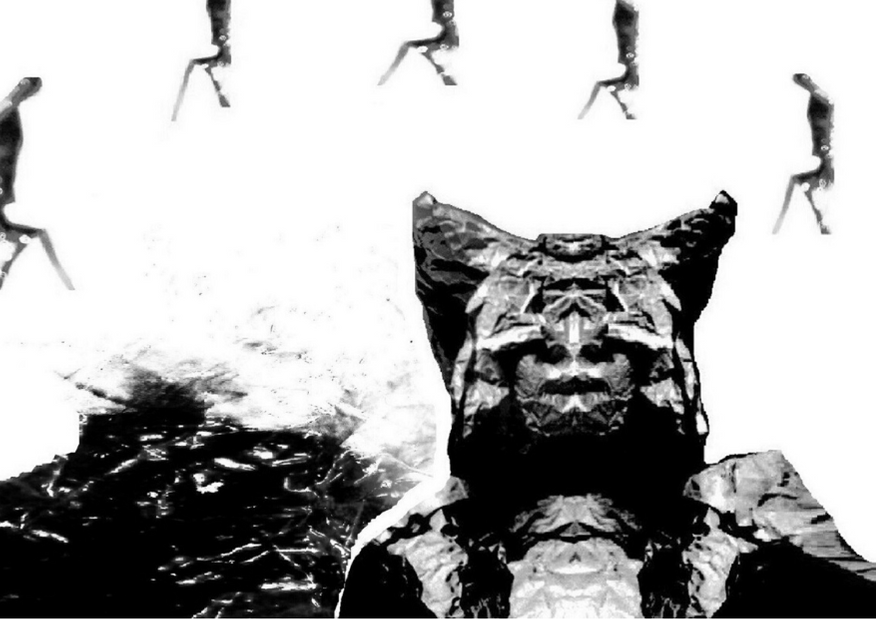
A shaman is a spiritual practitioner who acts as a bridge between the human world and the spirit world. The word "shaman" comes from the Tungus people of Siberia, but the role itself appears across virtually every ancient culture on earth.
Shamans are not priests or religious leaders in the traditional sense. Instead, they are healers, guides, and mediators. Their communities rely on them to diagnose illness, communicate with ancestors, and restore balance in times of crisis.
To do this work, shamans enter altered states of consciousness. These states can be reached through drumming, chanting, fasting, breathwork — or by using sacred plants and fungi. In many cultures, psilocybin mushrooms were one of the most important tools for this purpose. You can learn more about the broader effects of these fungi in our guide on what magic mushrooms actually are.
The Ancient History of Shamanism and Magic Mushrooms
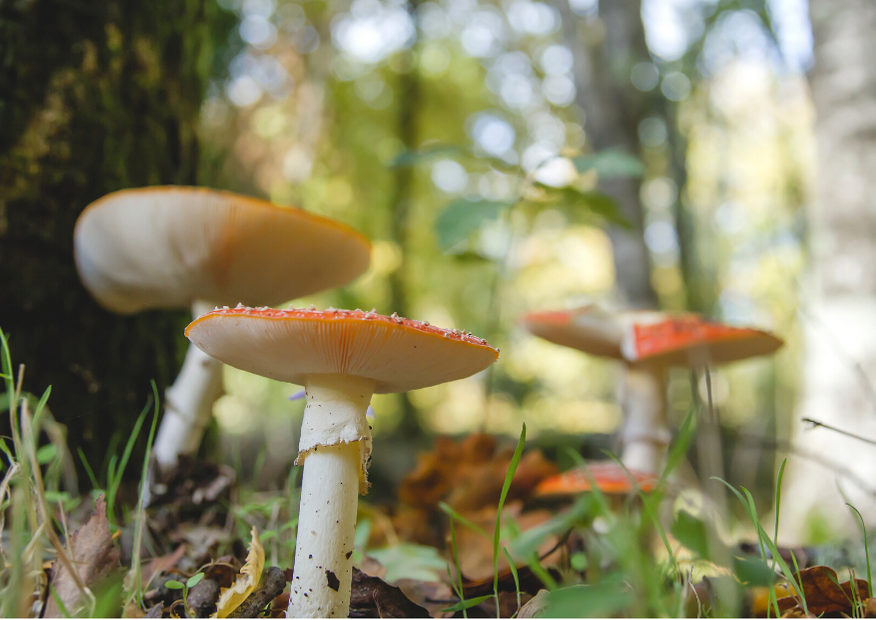
The connection between shamanism and magic mushrooms is not a modern invention. Evidence for it stretches back at least 6,000 years.
In the Tassili n'Ajjer caves of Algeria, ancient rock art depicts figures that many researchers interpret as shamans holding mushrooms. These paintings are among the oldest known images of mushroom use in human history. Similarly, cave art in Spain shows what appear to be mushroom-carrying figures dating back several thousand years.
In ancient Greece, the famous Eleusinian Mysteries — secret rituals held in honor of the goddess Demeter — likely involved a psychedelic brew called "kykeon." Some scholars believe this drink contained ergot, a fungus with effects similar to psilocybin. Initiates at Eleusis described profound visions and life-changing insights, language that echoes modern accounts of psilocybin experiences.
In Central America, the Aztecs called psilocybin mushrooms teonanácatl — literally "flesh of the gods." Mushroom use was deeply woven into their spiritual and healing ceremonies. Mazatec healers in the Oaxaca region of Mexico continued using them in sacred veladas (healing ceremonies) for centuries, largely hidden from the outside world.
Moreover, a 2024 scoping review published by the National Institutes of Health explored how shamanistic practices and trance states connect to altered consciousness — further validating what indigenous cultures have known for millennia. Recent research from Popular Mechanics (March 2026) also highlights growing scientific interest in how psilocybin may have shaped human consciousness over time.
María Sabina and the Western Discovery of Shamanism and Magic Mushrooms
For most of the 20th century, the Western world knew almost nothing about sacred mushroom use. That changed in 1955, when American banker and mycologist R. Gordon Wasson traveled to the Sierra Mazateca region of Oaxaca, Mexico.
There, he met María Sabina — a Mazatec curandera (healer) who had spent decades performing mushroom ceremonies for her community. She agreed to lead Wasson through a traditional velada. In 1957, Wasson published his account in Life magazine under the headline "Seeking the Magic Mushroom," introducing the concept of sacred fungi to millions of readers for the first time.
The consequences for María Sabina and her community were devastating. Tourists, spiritual seekers, and celebrities flooded into the Sierra Mazateca. The sacred ceremonies became a spectacle. Local authorities blamed Sabina for the disruption, and she was ostracized from her own community in her final years.
Her story is one of profound importance — and profound harm. As Inoculate the World writes, the costs of psychedelic tourism to the Mazatec community have never fully healed. Respecting her legacy means understanding both her genius and the damage done in her name. You can read more about her life in our full María Sabina psychedelic profile.
Neoshamanism: Shamanism and Magic Mushrooms in the Modern World
Today, a movement known as neoshamanism has grown up around the ideas first brought to the West by Wasson, Timothy Leary, Ram Dass, and others. Neoshamanism blends elements from indigenous traditions with modern ideas about personal growth, therapy, and spirituality.
In practice, this looks like retreat centers offering guided psilocybin ceremonies, urban ceremony facilitators leading groups through intentional experiences, and individuals exploring their inner world with care and preparation. The focus is on the personal dimension — healing trauma, finding meaning, expanding awareness.
However, neoshamanism raises real questions about cultural appropriation. Traditional shamanism is not a practice you can simply learn from a weekend workshop. It is a role earned over decades, embedded in a specific community and cosmology. When people from outside a culture adopt its ritual elements without deep understanding, they risk reducing a living tradition to an aesthetic.
On the other hand, the desire to approach psychedelic experiences with reverence and intention is genuinely valuable. First and foremost, the lesson from traditional shamanism is clear: these are not recreational tools. They are medicines that deserve respect, preparation, and a safe container. You can explore what that looks like in our guide on how to turn your trip into a ceremony.
How to Bring the Shamanic Spirit Into Your Experience
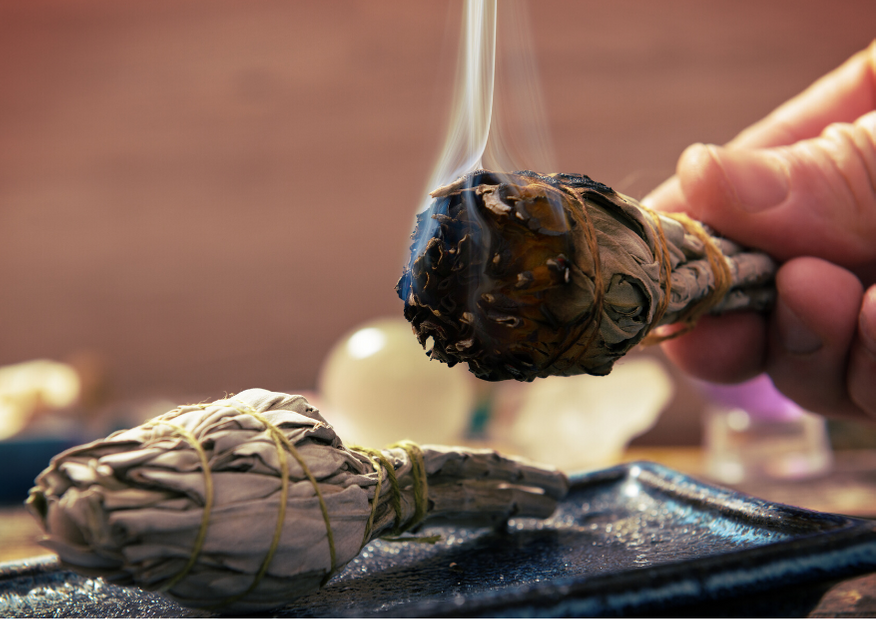
You do not need to call yourself a shaman to benefit from the wisdom embedded in these traditions. In fact, many of the practices used in traditional ceremonies translate naturally into a modern, mindful approach to psilocybin use.
Here are some ways to bring that spirit into your own experience:
1
Set a clear intention
Set a clear intention
Before any ceremony, shamans ask: why are we here? Ask yourself the same question. An intention is not a wish list — it is a direction. It could be as simple as "I want to understand my anxiety better" or "I want to feel more connected." A clear intention helps shape the experience and gives you something to return to if things feel difficult.
2
Prepare your space
Prepare your space
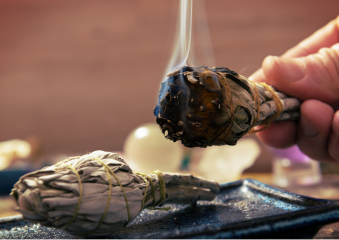
Traditional ceremonies always take place in a carefully prepared space. Therefore, clean your room, dim the lights, and add elements that feel sacred to you. Burning white sage or palo santo is a practice borrowed from indigenous traditions — use it mindfully. A clear, calm environment supports a clear, calm experience. See our guide on creating a safe space for tripping for more detail.
3
Choose your music with care
Choose your music with care
In Mazatec ceremonies, María Sabina sang throughout the night. Her chants were healing tools in their own right. Music has a profound effect on the psilocybin experience. Consider using traditional icaros, classical music, or purpose-built psychedelic playlists. Many people find that drumming recordings help anchor an experience when it feels unsteady.
4
Have a trusted guide or trip sitter
Have a trusted guide or trip sitter
The shaman's most important role is holding the container — keeping the space safe for whoever is experiencing the ceremony. In modern practice, a trip sitter fills this role. This is someone who stays sober, knows your intention, and can help you feel safe if you move through difficult territory. Never underestimate the value of having someone you trust present.
5
Integrate what comes up
Integrate what comes up
In traditional shamanism, the ceremony does not end when the fire goes out. Integration is the process of making sense of your experience afterward — writing about it, talking with trusted people, or simply sitting with what you felt. Without integration, even profound experiences fade quickly. Our 9-step guide to a safe mushroom trip covers integration as one of the most important steps.
Tip: Microdosing can be another way to explore the relationship between mindfulness, intention, and psilocybin without the intensity of a full experience. Read our introduction to microdosing to learn more.
Respect the Roots
Shamanism and magic mushrooms carry a history that goes back further than recorded time. That history belongs to indigenous communities who protected these traditions through centuries of colonization and suppression. As interest in psilocybin grows — in science, therapy, and popular culture — it matters how we relate to these roots.
Curiosity is welcome. Reverence is essential. Simply put, the most important thing you can bring to any psilocybin experience is respect — for the medicine, for the tradition, and for yourself.
Consequently, if you want to explore further, consider reading about the science of how psilocybin affects the mind. Understanding the mechanism behind the experience adds another layer of respect for what these fungi can do.
Ready to explore with intention? Browse our magic mushroom grow kits or magic truffles — and approach every experience with the care it deserves.
Note: If you are suffering from a mental illness and are curious about using psilocybin or any other psychedelic therapy, please consult one of the relevant medical authorities first. Do not self-prescribe — it is vital to have the right support and guidance when using psychedelics as medicine.


March 23, 2026