
O seu carrinho de compras está vazio

María Sabina: Priestess of Mushrooms & Psilocybin Pioneer
Posted under: History & Pioneers

Some people change the world without ever meaning to. María Sabina was one of them. A Mazatec healer, poet, and spiritual guide from the mountains of Oaxaca, Mexico, she spent her life working quietly with sacred mushrooms. Then one night in 1955, a visiting American banker sat in on her ceremony. That single evening set off a chain of events that reached every corner of the world. This is her story.
Quick facts
| Born | 22 July 1894, Huautla de Jiménez, Oaxaca, Mexico |
| Died | 22 November 1985, Huautla de Jiménez, Mexico (age 91) |
| Known as | Priestess of Mushrooms, Sabia (Wise Woman), poet and healer |
| Tradition | Mazatec healing ceremonies (Veladas) with psilocybin mushrooms |
| Key moment | Hosted R. Gordon Wasson in 1955, leading to the Western discovery of magic mushrooms |
| Legacy | Foundational figure in the history of psilocybin and psychedelic medicine |
Who Was María Sabina?
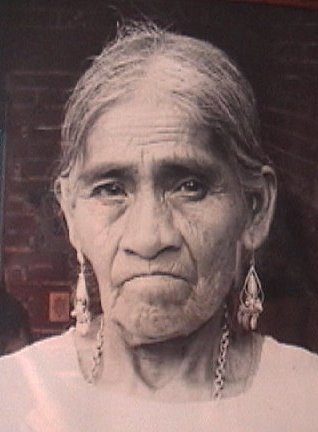
María Sabina Magdalena García was born in 1894 in Huautla de Jiménez — a remote mountain town in the Sierra Mazateca of Oaxaca, southern Mexico. Her grandfather and great-grandfather were both healers. So from a young age, she felt drawn to the same path. The sacred plants of the mountains surrounded her, and she paid close attention.
She attended her first velada at around age seven, after secretly eating mushrooms with her sick cousin. That experience shaped everything that followed. At age eight, the mushrooms gave her a message: they told her which plants to use to cure her dying uncle. She followed the guidance. It worked. After that, her community understood she had a rare gift.
Importantly, María Sabina never called herself a curandera (medicine woman). She preferred the word sabia — wise woman. For her, the difference mattered. She did not just heal the body. She served as a guide between the human world and the sacred. As a result, people traveled from all over Mexico to sit in her ceremonies.
María Sabina and the Mazatec Velada
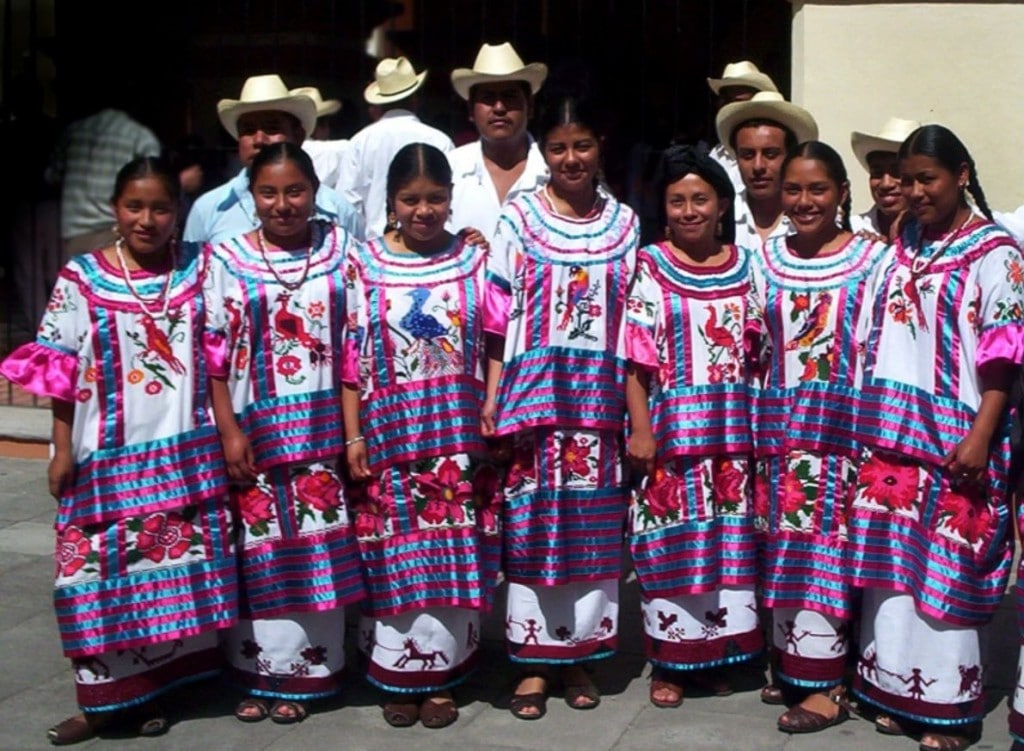
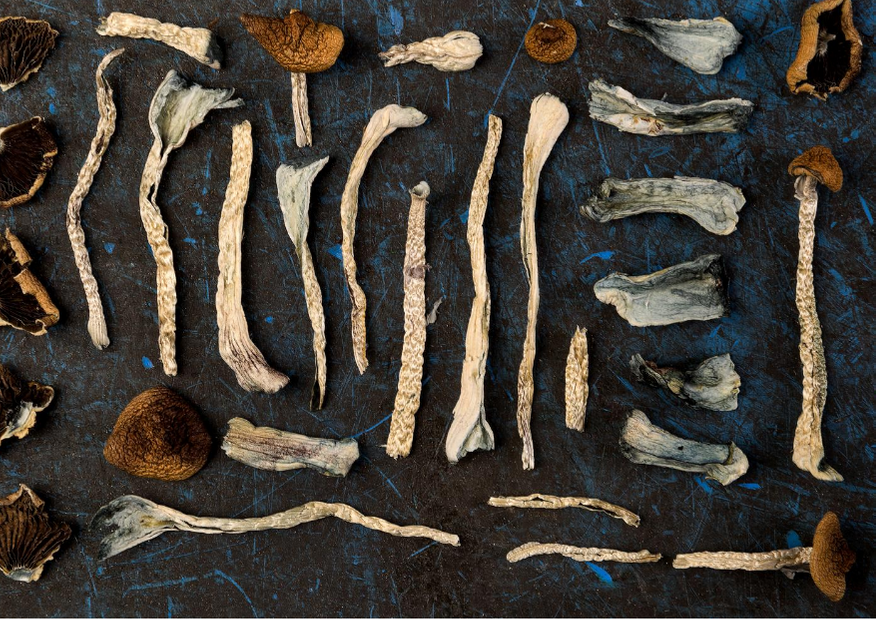
The Mazatec people have worked with psilocybin mushrooms for centuries. They call them teonanácatl — flesh of the gods — or niños santos — holy children. Their ceremonies, known as veladas, take place at night in complete darkness. The shaman eats the mushrooms alongside the patient. Then the shaman guides the session — chanting, praying, and interpreting whatever the mushrooms reveal.
During a velada, María Sabina typically ate twice the dose her patient took. She combined tobacco smoke, medicinal plant ointments, mezcal, and rhythmic clapping with her extraordinary chants. Her veladas also blended Mazatec tradition with Catholic faith. She invoked both indigenous spirits and Christian saints. The local bishop reportedly saw no conflict: "The wise ones and curers do not compete with our religion. All of them are very religious."
The Poetry of the Mushrooms
María Sabina never learned to read or write. Yet her chants rank today among the most remarkable oral poetry of the 20th century. She did not claim authorship. Instead, she said the mushrooms spoke through her. Each chant emerged spontaneously during the ceremony — never rehearsed, never repeated in the same form twice.
An extract from a María Sabina chant:
"Cure yourself with the light of the sun and the rays of the moon. With the sound of the river and the waterfall. With the swaying of the sea and the flicker of fire. Heal yourself with the plants and trees. With the singing of birds and the colors of flowers."
The Night That Changed Everything: Wasson's Visit
In June 1955, R. Gordon Wasson arrived in Huautla de Jiménez. He worked as a vice president at J.P. Morgan, but his passion lay in mycology. A local official helped him gain access to a velada. María Sabina agreed to let him attend — along with his photographer, Allan Richardson. Wasson later claimed they were the "first white men in recorded history to eat the divine mushrooms." Historians have since questioned that claim.
Wasson left the ceremony deeply moved. He later wrote: "For the first time the word ecstasy took on real meaning. For the first time it did not mean someone else's state of mind." However, he had reportedly promised Sabina secrecy. He broke that promise. On 13 May 1957, he published a detailed account in Life magazine — including her name, her photograph, and the location of her village. A Life editor coined the phrase "magic mushroom" for the headline. That phrase has never left us.
The article brought the mushrooms — and María Sabina's name — to the entire Western world. Wasson's mushroom samples had already reached Albert Hofmann at Sandoz Laboratories in Basel. In 1958, Hofmann isolated the active compound and named it psilocybin. Then in 1962, Hofmann and Wasson traveled back to Mexico to visit María Sabina. Hofmann brought synthetic psilocybin tablets. She tried them during a ceremony and found no difference between the pills and the natural mushrooms. For Hofmann, that confirmation was extraordinary.
María Sabina's Famous Visitors — and the Myth
After the Life article, Huautla de Jiménez attracted visitors from everywhere. Scientists, artists, and spiritual seekers made the long journey into the Sierra Mazateca. Rumours have long placed John Lennon, Bob Dylan, Mick Jagger, Keith Richards, and Walt Disney among those who visited María Sabina. However, researchers find no solid evidence for any of these stories. They circulate widely, but none carries reliable documentation.
What the record does confirm: Albert Hofmann visited in 1962. Timothy Leary never met María Sabina personally, but Wasson's account clearly shaped his theories about set and setting. The documented history is remarkable enough without the myths around it.
⚠️ Many celebrity visits to María Sabina circulate widely but remain unverified. The confirmed story of her meeting with Wasson and Hofmann is more than remarkable enough on its own.
The Cost of Opening the Door
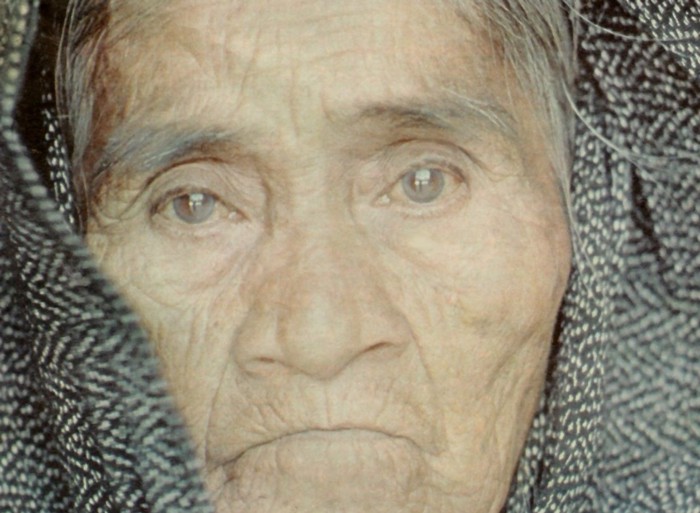
The Life article brought devastation. Hundreds of foreigners arrived in Huautla de Jiménez — not to heal, but to get high. Some took bad trips and wandered through the village in distress. The Mexican police raided Sabina's home. They accused her of selling drugs to foreigners. The velada — always a private ritual, always held in secrecy — became a tourist attraction.
The Mazatec community had protected these ceremonies for generations. They blamed Sabina for the exposure. They cast her out of the village. Neighbours burned her house down. Someone murdered her son. The Mexican government banned mushroom use. She later spent time in jail. In her final years, she lived in poverty. She told interviewers that the mushrooms had lost their power for her — as if the violation had cut something sacred.
Wasson published her name, face, and location without her full informed consent. She said later: "I asked him how he had done it; I never imagined hearing myself. I was upset because at no time had I authorized Wasson to steal my songs. I cried about it for a long time." Her story is therefore not only one of cultural exchange. It is also a story of exploitation — of a sacred tradition taken without permission.
This matters now, because the psychedelic renaissance raises the same questions again. Biotech companies patent psilocybin compounds. Clinics build therapy programmes. Meanwhile, the Chacruna Institute for Psychedelic Plant Medicines and others ask: what credit, respect, and reciprocity do the Mazatec people — and other indigenous communities — deserve for the knowledge the West took from them?
María Sabina's Legacy
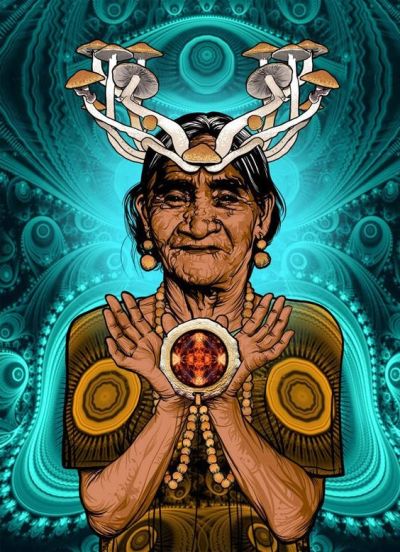
María Sabina died on 22 November 1985, in the same mountain town where she was born. She never left Huautla de Jiménez. She died poor. Even so, she never stopped working with the mushrooms she called her holy children. Today, Mexico celebrates her as one of its greatest poets. Her image appears in murals, books, and ceremonial spaces around the world. In Huautla de Jiménez, she holds the status of a sacred figure.
Her legacy deserves honest handling. On one side: her willingness to share the velada tradition — even under false pretenses — led directly to the discovery of psilocybin. That discovery now drives a therapeutic revolution. Researchers at institutions like the Johns Hopkins Center for Psychedelic and Consciousness Research use psilocybin to treat depression, PTSD, and end-of-life anxiety. On the other side: she and her community paid an enormous price. The modern psychedelic movement exists because of her. The honest question is whether it honours that debt.
Western psychedelic culture sometimes reduces María Sabina to a simple symbol — a wise grandmother who "gave us mushrooms." That reading erases the full picture. She was a poet, a mother, a devout Catholic, a community healer, and a woman who suffered greatly. The world she opened her door to did not treat her with the respect she deserved. Therefore, the best tribute is not just to say her name — it is to understand her story completely.
Further Reading
Want to go deeper into the world of María Sabina and Mazatec mushroom culture? These are a great place to start:
⚠️ Important note: If you are dealing with a mental health condition and are curious about psilocybin-assisted therapy, please consult a qualified medical professional first. Do not self-prescribe. It is vital to have the right support and guidance when exploring psychedelics as medicine.
Curious about the mushrooms at the heart of María Sabina's work? Explore our guides on psilocybin, magic mushrooms, and the scientists who helped bring them to the world — or browse our magic truffles to begin your own journey of understanding.


August 10, 2020