
Votre panier est vide.

Carlos Castaneda : mystique, anthropologue et figure la plus controversée de l'histoire du psychédélisme
Publié sous: Histoire & Pionniers
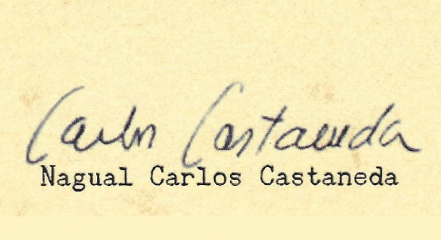
Carlos Castaneda : mystique, anthropologue et figure la plus controversée de l'histoire du psychédélisme (mise à jour 2026)
Profils psychédéliques | 8 min de lecture
Peu de noms déclenchent autant de débats dans la culture psychédélique que celui de Carlos Castaneda. Ses livres ont fait découvrir le chamanisme et les plantes médicinales à des millions de lecteurs, mais la plupart des universitaires estiment que ses recherches de terrain ont été en grande partie inventées. Alors, qui était-il vraiment ? Et pourquoi son influence compte-t-elle encore en 2026 ?
Dans ce profil : nous revenons sur la vie, les livres et l'empreinte culturelle durable de Carlos Castaneda, l'un des écrivains les plus lus et les plus âprement contestés de l'histoire des psychédéliques.
Nous abordons son parcours, son célèbre apprentissage auprès de Don Juan Matus, la polémique universitaire autour de son œuvre, ses dernières années, et ce que son héritage signifie aujourd'hui pour celles et ceux qui s'intéressent au chamanisme et aux plantes médicinales.
Qui était Carlos Castaneda ?
Carlos César Salvador Arana est né le 25 décembre 1925 à Cajamarca, au Pérou, même s'il a plus tard revendiqué d'autres lieux et d'autres années de naissance selon son interlocuteur. Cette manie de brouiller les faits personnels l'a suivi toute sa vie.
Il a émigré aux États-Unis au début des années 1950 et s'est finalement installé à Los Angeles. Il s'est inscrit à l'UCLA pour étudier l'anthropologie, ce qui lui a donné le cadre académique, et la crédibilité, qui allaient façonner tout le reste. Selon la page Wikipédia consacrée à Carlos Castaneda, même des détails biographiques de base, comme son âge et son pays d'origine, étaient contestés bien avant que ses livres ne deviennent célèbres.
À bien des égards, Carlos Castaneda a toujours été une œuvre en cours : un homme qui se réécrivait aussi librement qu'il réécrivait ses notes de terrain.
L'Herbe du diable et la petite fumée : un séisme culturel
En 1968, les presses de l'Université de Californie publient The Teachings of Don Juan: A Yaqui Way of Knowledge (paru en français sous le titre L'Herbe du diable et la petite fumée). Carlos Castaneda le présente comme son mémoire de master en anthropologie. Le livre décrit son prétendu apprentissage auprès d'un chaman indien yaqui nommé Don Juan Matus, qu'il affirmait avoir rencontré dans une gare routière en Arizona en 1960.
D'après le texte, Don Juan lui fait découvrir trois plantes médicinales : le peyotl (que les Yaqui appellent « Mescalito »), le datura (l'herbe du diable) et les champignons à psilocybine. Ensemble, ces substances deviennent des portes d'entrée vers ce que Castaneda appelle une « réalité séparée », un domaine d'expérience au-delà de la perception ordinaire, accessible uniquement par la pratique chamanique et des années d'entraînement rigoureux.
Le livre est devenu un phénomène. Il est arrivé au moment idéal : la contre-culture de la fin des années 1960 avait soif d'alternatives à la pensée occidentale dominante. Les lecteurs étaient fascinés par la sagesse indigène, les états modifiés de conscience et l'idée que la réalité était bien plus étrange et plus stratifiée que le quotidien ne le laissait croire. Pour en savoir plus sur l'usage des plantes médicinales dans des contextes rituels, jette un œil à notre article sur le chamanisme et les champignons magiques.
Carlos Castaneda a fait suivre ce premier livre de onze autres au cours des trois décennies suivantes, dont A Separate Reality (1971, Voyage à Ixtlan en français pour le suivant, 1972) et The Eagle's Gift (1981, Le Don de l'aigle). Ensemble, ils se sont vendus à des millions d'exemplaires dans le monde et ont été traduits dans des dizaines de langues.
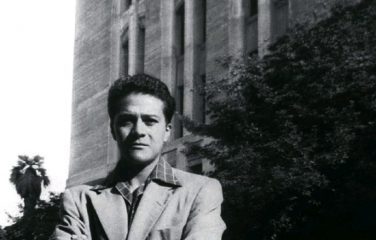 Carlos Castañeda
 La controverse universitaire : vraie recherche de terrain ou fiction élaborée ?
Presque dès le début, des spécialistes ont soulevé de sérieuses questions sur le travail de Carlos Castaneda. Les critiques étaient précises et bien documentées.
Premièrement, personne n'a jamais pu retrouver Don Juan. Castaneda affirmait que son maître était un Indien yaqui du nord du Mexique, mais les chercheurs qui ont enquêté n'ont trouvé aucune trace d'une telle personne. Les détails culturels et botaniques des livres ne correspondaient pas aux connaissances établies sur les traditions yaqui. Fait notable, Castaneda n'a jamais noté le nom yaqui d'une seule des plantes dont Don Juan lui aurait parlé, une omission de base qui a paru très suspecte aux ethnobotanistes.
Deuxièmement, le philosophe et chercheur Richard de Mille a publié deux critiques détaillées, Castaneda's Journey et The Don Juan Papers, dans lesquelles il soutient, analyse textuelle à l'appui, que Don Juan était un personnage fictif construit à partir de la littérature anthropologique à laquelle Castaneda avait accès à la bibliothèque de l'UCLA.
Troisièmement, et c'est peut-être le plus accablant, Jay Fikes, anthropologue spécialiste de la culture yaqui et huichol, a publié une critique acérée reprise ensuite dans le Tribal College Journal. Fikes soutenait que Carlos Castaneda avait causé un tort réel et durable aux communautés indigènes en diffusant une image romancée et inexacte des pratiques spirituelles amérindiennes, une image qui a alimenté pendant des décennies l'appropriation et l'incompréhension occidentales.
Malgré tout cela, l'UCLA a décerné à Castaneda un doctorat en anthropologie en 1973, en s'appuyant largement sur le matériau qui allait devenir Journey to Ixtlan. La décision de l'université reste controversée à ce jour.
Aujourd'hui, le point de vue universitaire dominant est que les livres sur Don Juan sont des œuvres de fiction créative présentées comme de l'ethnographie : captivantes, pleines d'imagination et vraiment stimulantes, mais pas des récits fiables d'un véritable travail de terrain.
Son influence sur la culture psychédélique
Quel que soit leur statut factuel, les livres de Carlos Castaneda ont eu un impact énorme sur la façon dont les psychédéliques ont été compris et évoqués dans la culture occidentale.
Avant Castaneda, les plantes médicinales comme les champignons à psilocybine et le peyotl étaient largement inconnues du grand public occidental. Ses descriptions saisissantes d'états modifiés (voler, changer de forme, voir des champs d'énergie, communiquer avec des alliés spirituels) ont donné à beaucoup de lecteurs leur premier cadre pour penser la conscience non ordinaire. Son concept de « réalité séparée » est entré dans le langage courant et a influencé des générations d'écrivains, de chercheurs et de chercheurs de sens.
Des penseurs comme Terence McKenna ont reconnu l'œuvre de Castaneda comme une référence culturelle, tout en soulignant son authenticité contestée. L'idée que les plantes médicinales puissent servir d'outils pour élargir la perception et dissoudre les structures mentales ordinaires, des idées centrales dans la renaissance psychédélique actuelle, a trouvé certaines de ses premières expressions populaires dans l'écriture de Castaneda.
Son œuvre a aussi popularisé la figure du chaman comme guide spirituel des expériences psychédéliques. Ce cadre, pour le meilleur ou pour le pire, a façonné pendant des décennies la manière dont beaucoup d'Occidentaux ont abordé les champignons magiques et d'autres plantes médicinales. Pour une vue plus large des figures psychédéliques qui ont marqué ce mouvement, découvre nos profils de Maria Sabina et d'Albert Hofmann.
Contexte : les livres de Castaneda sont encore très lus aujourd'hui. Si tu en ouvres un, lis-le comme un roman philosophique plutôt que comme une étude de terrain. Les questions qu'il soulève sur la conscience et la perception méritent d'être explorées, même si le « travail de terrain » a été inventé.
Les dernières années : isolement, Tensegrity et groupe aux allures de secte
Au début des années 1970, Carlos Castaneda était devenu un homme riche. Les droits d'auteur de ses livres lui ont permis d'acheter une propriété près de l'UCLA, dans le quartier de Westwood à Los Angeles. Il est devenu de plus en plus reclus, accordant rarement des interviews et refusant d'être photographié. Ce mystère n'a fait qu'accroître sa popularité.
Dans ses dernières années, Castaneda a développé un mouvement appelé Tensegrity, une série de mouvements physiques qu'il disait avoir appris de Don Juan et de ses associés, présentés comme une forme de pratique chamanique. Il enseignait ces mouvements lors de séminaires et dans des livres, et un petit groupe de fidèles, surtout des femmes, s'est rassemblé autour de lui.
D'anciens disciples et des journalistes décrivent ce groupe comme présentant de nombreuses caractéristiques d'une secte. Selon eux, les membres coupaient les ponts avec leur famille, abandonnaient leur carrière et vivaient sous un contrôle strict. Castaneda est mort d'un cancer du foie le 27 avril 1998, à l'âge de 72 ans.
La suite a ajouté une couche troublante à son histoire. Plusieurs de ses plus proches disciples féminines ont disparu après sa mort. L'une d'elles, Nury Alexander, a été retrouvée morte dans le désert de Sonora. D'autres, dont des femmes qui utilisaient les noms de Florinda Donner-Grau, Taisha Abelar et Carol Tiggs, n'ont jamais été formellement retrouvées. Des enquêtes de journalistes et d'anciens membres suggèrent que certaines se seraient suicidées à la suite d'un pacte conclu avant ou après la mort de Castaneda. L'histoire complète reste non résolue.
Il est important de le dire clairement. Ces faits ne changent rien à l'impact culturel de ses écrits, mais ils font partie de ce qu'était Carlos Castaneda, et rappellent que les figures charismatiques du monde psychédélique ne sont pas à l'abri de causer de graves dommages.
L'héritage de Carlos Castaneda en 2026
En 2026, les livres de Carlos Castaneda sont toujours édités et toujours très lus. Ils continuent de confronter de nouveaux lecteurs à des questions sur la conscience, la perception et la nature de la réalité, des questions au cœur de la renaissance psychédélique moderne.
Son héritage est cependant vraiment ambivalent. D'un côté, il y a un écrivain qui a fait entrer les plantes médicinales et les concepts spirituels indigènes dans la conscience occidentale à une époque où presque personne d'autre ne le faisait. De l'autre, il y a un homme qui a fabriqué des titres universitaires, s'est approprié et a déformé des cultures indigènes et, vers la fin de sa vie, a causé un tort réel à des personnes bien réelles.
L'approche honnête consiste à tenir les deux bouts à la fois. Ses livres peuvent se lire comme des explorations imaginatives de la conscience, comme de la philosophie ou même de la littérature, sans les considérer comme des faits anthropologiques. Les expériences qu'ils décrivent résonnent chez beaucoup de personnes qui travaillent avec la psilocybine et d'autres plantes médicinales. Mais la bonne réponse à cette résonance, c'est la curiosité et la réflexion, pas la croyance aveugle.
La recherche psychédélique actuelle, des travaux de Timothy Leary et Ram Dass aux essais cliniques modernes sur le pouvoir thérapeutique de la psilocybine, repose sur des preuves vérifiables. Cette exigence compte. L'une des leçons les plus claires de l'histoire de Castaneda, c'est que le monde des plantes médicinales et des psychédéliques mérite le même esprit critique que celui que nous appliquerions n'importe où ailleurs.
Aborde ces territoires avec une curiosité ouverte, un scepticisme sain et une bonne préparation. Notre guide sur les champignons et l'esprit est un bon point de départ pour une exploration en toute conscience.
Envie d'explorer les plantes médicinales de façon sûre et responsable ? Découvre nos truffes magiques et nos
, et fais toujours tes recherches au préalable.
Remarque : si tu souffres d'une maladie mentale et que tu es curieux/curieuse d'essayer la psilocybine ou toute autre thérapie psychédélique, consulte d'abord une autorité médicale compétente. Ne t'automédique pas : il est essentiel d'être bien entouré(e) et accompagné(e) lorsqu'on utilise les psychédéliques comme médicament.


Décembre 20, 2022