
Votre panier est vide.

Graines de Morning Glory : LSA, histoire, effets et préparation
Publié sous: Plantes ethnobotaniques & highs naturels
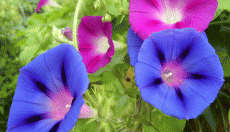
Graines de Morning Glory (ipomée), LSA et histoire psychédélique de la plante — Guide complet (mise à jour 2026)
Les liserons de type Morning Glory (ou ipomées) sont une vue familière dans les jardins du monde entier. Leurs fleurs en forme de trompette s'ouvrent à l'aube, se referment en milieu de journée et reviennent le lendemain matin. Ce que peu de gens savent, c'est que certaines espèces de Morning Glory produisent des graines contenant un composé psychédélique naturel appelé amide de l'acide lysergique, plus connu sous le nom de LSA. Le lien entre ces fleurs de jardin banales et l'expérience psychédélique remonte à plusieurs siècles.
Dans ce guide : ce qu'est le LSA, en quoi il diffère du LSD, quelles espèces de Morning Glory en contiennent, et comment ces graines ont été utilisées dans le passé et aujourd'hui.
Nous abordons aussi les effets, les risques et le contexte de préparation, pour que tu puisses prendre des décisions éclairées.
| Composé actif | Amide de l'acide lysergique (LSA / ergine) |
| Espèces principales | Ipomoea tricolor (Heavenly Blue), Ipomoea violacea, Rivea corymbosa |
| Plante apparentée | Hawaiian Baby Woodrose (Argyreia nervosa) — teneur en LSA plus élevée |
| Délai d'action | 20 à 180 minutes |
| Durée | 4 à 10 heures |
| Usage traditionnel | Usage rituel mésoaméricain, documenté depuis l'époque précolombienne |
Qu'est-ce que le LSA ? Les graines de Morning Glory et leur composé actif
Les graines de Morning Glory contiennent un groupe de composés appelés alcaloïdes de l'ergoline. Le plus étudié d'entre eux est l'amide de l'acide lysergique (LSA), aussi appelé ergine. Le LSA est chimiquement apparenté au LSD — les deux appartiennent à la famille des ergolines — mais ce n'est pas la même substance. Le LSA est un composé naturel produit par des champignons symbiotiques (espèces de Periglandula) qui vivent à l'intérieur des graines de certaines plantes de la famille des Morning Glory. Le LSD, lui, est un dérivé semi-synthétique fabriqué en laboratoire.
D'après la page Wikipédia consacrée à l'ergine, Albert Hofmann — le chimiste qui a synthétisé le LSD pour la première fois en 1938 — a ensuite isolé le LSA à partir de graines de Rivea corymbosa dans les années 1950. Il lui trouvait un caractère « plus dépressif et narcotique » que le LSD. Outre le LSA lui-même, les graines de Morning Glory contiennent aussi des composés apparentés comme l'hydroxyéthylamide de l'acide lysergique (LSH), l'isoergine et l'ergométrine, qui peuvent tous contribuer à l'effet global.
Une étude analytique de 2016 publiée dans Analytical and Bioanalytical Chemistry a confirmé que seuls certains cultivars contiennent de façon fiable des alcaloïdes actifs — notamment la variété « Heavenly Blue » d'Ipomoea purpurea comme d'Ipomoea tricolor. Les chercheurs ont aussi noté que la concentration en alcaloïdes varie considérablement d'une graine à l'autre, même au sein d'un même sachet.
Petite histoire des graines de Morning Glory comme enthéogène
L'usage psychoactif des graines de Morning Glory n'a rien de récent. Les civilisations mésoaméricaines, en particulier les Aztèques, utilisaient les graines de Rivea corymbosa — qu'ils appelaient ololiuhqui — lors de cérémonies religieuses et de guérison, pendant des siècles avant l'arrivée des Européens. Les prêtres aztèques en consommaient pour communiquer avec les divinités et entrer dans des états visionnaires. Cet usage a été documenté par les autorités coloniales espagnoles au XVIe siècle, avant d'être réprimé.
La science occidentale ne s'y est intéressée qu'au XXe siècle. C'est Albert Hofmann qui a identifié le LSA comme l'alcaloïde principal de ces graines, décrivant sa découverte comme « inattendue » — découvrir qu'une plante sacrée indigène contenait des composés structurellement proches de son propre LSD synthétique fut, selon ses mots, une révélation : le LSD appartient en réalité au groupe des drogues sacrées mexicaines.
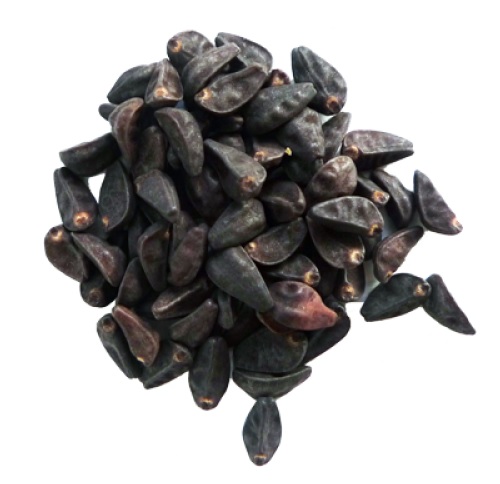
Aujourd'hui, les graines de Morning Glory restent largement disponibles comme plantes ornementales. Mais les graines vendues dans le commerce sont parfois traitées avec des pesticides ou des fongicides qui ne sont pas faits pour la consommation humaine. C'est un point important sur lequel nous revenons plus bas.
Si tu es curieux de découvrir le monde plus large des plantes psychédéliques et de leurs contextes culturels, notre guide sur les types de psychédéliques les plus courants est un bon point de départ. Pour aller plus loin sur l'usage chamanique des plantes, consulte notre article sur le chamanisme et les champignons magiques.
Quelles espèces de Morning Glory contiennent du LSA ?
Toutes les plantes de la famille des Morning Glory ne sont pas psychoactives. Le LSA et les alcaloïdes apparentés se trouvent dans des espèces et des cultivars précis. Les plus pertinents sont :
Une plante très proche mérite d'être mentionnée : la Hawaiian Baby Woodrose (Argyreia nervosa). Ce n'est pas techniquement une Morning Glory, mais elle appartient à la même famille des Convolvulacées. Ses graines contiennent des concentrations de LSA nettement plus élevées que les graines de Morning Glory classiques, et on en parle couramment dans le même contexte.
Effets des graines de Morning Glory : à quoi s'attendre
Les effets des graines de Morning Glory sont généralement décrits comme psychédéliques — avec des changements de perception, de pensée et d'humeur — mais ils diffèrent à plusieurs égards des psychédéliques classiques comme la psilocybine. L'expérience a tendance à être plus lourde, plus sédative, et s'accompagne souvent d'un inconfort physique important.
Effets couramment rapportés
Effets secondaires couramment rapportés
Une revue systématique sur le LSA publiée en 2025 note que des effets indésirables graves — dont l'hypertension, des états proches de la psychose et des hospitalisations — ont été documentés, principalement après une forte consommation de graines de Hawaiian Baby Woodrose. La revue souligne aussi que la teneur en alcaloïdes varie fortement d'un lot à l'autre, ce qui rend les effets imprévisibles.
Important : comme la concentration en LSA varie considérablement d'une graine et d'un lot à l'autre, il n'est pas simple de prévoir l'intensité des effets. Les graines vendues dans le commerce peuvent aussi être traitées avec des produits chimiques impropres à la consommation. Vérifie toujours soigneusement l'origine des graines.
LSA vs LSD : les principales différences
Le LSA et le LSD sont chimiquement apparentés, mais ce sont deux composés distincts, avec des profils d'effets différents. Comprendre ces différences aide à avoir des attentes réalistes.
| Propriété | LSA (issu des graines de Morning Glory) | LSD |
|---|---|---|
| Origine | Naturelle (d'origine végétale) | Semi-synthétique |
| Puissance | Plus faible — environ 1/10e de la puissance du LSD | Plus élevée |
| Effets physiques | Plus de sédation, de nausées, de vasoconstriction | En général, moins de charge physique |
| Effets visuels | Distorsions plus douces | Visuels plus marqués |
| Durée | 4 à 10 heures | 8 à 12 heures |
| Prévisibilité | Faible — la puissance des graines varie énormément | Plus élevée avec une matière de qualité pharmaceutique |
Préparation : comment les graines de Morning Glory sont généralement utilisées
Historiquement, les graines de Morning Glory étaient consommées directement — réduites en pâte et mélangées à de l'eau ou à d'autres liquides. Dans les contextes modernes, les graines sont généralement moulues pour améliorer la biodisponibilité des alcaloïdes. Selon la page Wikipédia sur les Morning Glory, avaler les graines entières produit peu ou pas d'effet psychoactif, car un broyage correct est nécessaire pour libérer les alcaloïdes.
Certains préparent une extraction à l'eau à partir de graines moulues pour réduire les nausées, mais les résultats varient. Il n'existe aucune méthode universellement reconnue, et comme la puissance varie d'un lot à l'autre, toute préparation comporte une part d'imprévisibilité.
Astuce : si tu veux mieux comprendre l'univers des psychédéliques naturels, y compris les champignons et truffes à psilocybine, nos guides sur ce que sont les champignons magiques et sur l'histoire et les effets de l'ayahuasca te donneront de solides bases.
Graines de Morning Glory, set et setting
Comme pour toute expérience psychédélique, le contexte dans lequel les graines de Morning Glory sont utilisées a une influence considérable sur ce qui se passe. Le concept de set et setting — ton état d'esprit et ton environnement physique — s'applique ici autant qu'avec la psilocybine ou d'autres psychédéliques. Un environnement calme et sûr et un état d'esprit clair et ancré réduisent le risque d'anxiété ou de désorientation.
Il faut aussi préciser que les graines de Morning Glory ne sont pas un produit récréatif vendu par Magic Mushrooms Shop à des fins de consommation. Elles sont disponibles comme graines ornementales pour le jardin. Leur importance historique et botanique dans l'histoire plus large des psychédéliques en fait toutefois un sujet fascinant pour tous ceux qui s'intéressent au croisement entre plantes, champignons et conscience humaine.
La place des graines de Morning Glory dans le paysage psychédélique
Les graines de Morning Glory occupent une position intéressante : elles font partie des sources naturelles de composés psychédéliques les plus accessibles, mais aussi des plus inconfortables physiquement. Leur longue histoire d'usage rituel en Mésoamérique les place aux côtés des champignons à psilocybine, du peyotl et de l'ayahuasca dans une riche tradition de pratiques spirituelles à base de plantes.
Si tu préfères vivre ta propre expérience plutôt que de simplement lire à ce sujet, nos
te proposent un moyen simple et bien encadré d'explorer la culture de la psilocybine à la maison. Et si tu te demandes comment l'intention et le cadre cérémoniel peuvent façonner une expérience psychédélique, notre guide pour transformer ton trip en cérémonie vaut le détour.
Tu as envie de cultiver tes propres champignons magiques ? Découvre notre
et lance-toi avec tout le nécessaire.
Remarque : si tu souffres d'une maladie mentale et que tu t'intéresses à la psilocybine ou à toute autre thérapie psychédélique, consulte d'abord un professionnel de santé compétent. Ne t'auto-médique pas : il est essentiel d'être bien accompagné et guidé lorsqu'on utilise des psychédéliques comme médicament.


Mars 23, 2026