
Votre panier est vide.

Comment utiliser une fiole de spores de champignons magiques : guide complet (mise à jour 2026)
Publié sous: Culture & Cultivation
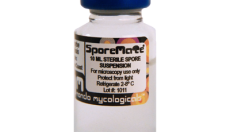
Tout ce que tu dois savoir pour utiliser une fiole de spores de champignons magiques : contenu, agitation, technique d'inoculation et conservation (mise à jour 2026)
Dans ce guide : apprends à utiliser correctement une
, de l'agitation et la préparation de la fiole jusqu'à l'inoculation des bocaux de grains et la conservation du reste.
Que ce soit ta première fiole de spores ou que tu veuilles perfectionner ta technique, ce guide détaille chaque étape avec des instructions claires et pratiques.
Une
est l'un des moyens les plus pratiques pour conserver et utiliser une génétique de champignons. Contrairement à une seringue de spores, qui est un outil à usage unique, une fiole contient une réserve scellée de solution de spores dans laquelle tu peux prélever plusieurs fois avec une seringue et une aiguille neuves. C'est donc un format particulièrement économique si tu travailles avec plusieurs bocaux de substrat : une seule fiole permet d'inoculer plusieurs contenants sans jamais manquer de matière.
Le format fiole est aussi pratique parce que les spores sont déjà en suspension : pas besoin de les hydrater ni de les préparer avant usage. En revanche, certaines techniques de manipulation font vraiment la différence entre une inoculation réussie et un échec. Ce guide les passe toutes en revue.
Que contient une fiole de spores ?
Une fiole de spores de champignons magiques classique contient 10 à 20 ml d'eau stérile dans laquelle des spores sont mises en suspension. La fiole est fermée par un port d'injection auto-cicatrisant, généralement un septum épais en caoutchouc ou en silicone, que l'aiguille traverse sans ouvrir la fiole de façon permanente. Tu peux donc la piquer plusieurs fois tout en la gardant largement protégée des contaminants.
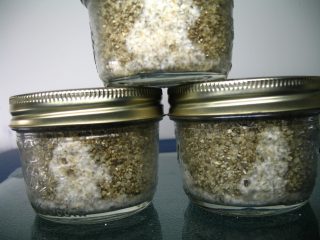
Les spores elles-mêmes ne sont pas encore germées. Ce sont des cellules dormantes qui attendent les bonnes conditions (humidité, chaleur et nutriments) pour commencer à produire du mycélium. Dans l'eau stérile, elles restent stables pendant des mois si la fiole est conservée au réfrigérateur. Comme les spores ne contiennent pas de psilocybine (cette molécule n'apparaît qu'après la germination et le développement du mycélium), les fioles de spores relèvent, dans de nombreux pays, d'une catégorie juridique différente de celle des champignons eux-mêmes. Vérifie toujours la législation de ton pays avant d'acheter ou d'utiliser des fioles de spores.
Pour une comparaison complète des différents formats de spores (fioles, seringues et empreintes) et savoir quand utiliser chacun, consulte notre guide sur comment utiliser une seringue de spores, qui replace le tout dans le contexte plus large de la culture à partir de spores.
Le matériel nécessaire
| Article | Remarques |
|---|---|
| Conservée au réfrigérateur jusqu'à l'utilisation ; à ramener à température ambiante avant ouverture | |
et |
Une aiguille par point d'inoculation ; ne réutilise pas les aiguilles d'un bocal à l'autre |
| Lampe à alcool ou briquet | Pour stériliser l'aiguille à la flamme avant et entre chaque utilisation |
ou alcool isopropylique (70 %) |
Pour nettoyer le septum de la fiole et tes gants |
| À porter pendant toute la manipulation | |
| Masque | Évite la contamination par ta respiration |
| Bocaux de grains stériles ou autre substrat | Déjà stérilisés et refroidis, prêts à être inoculés |
| Boîte à gants (still air box) ou hotte à flux laminaire (facultatif) | Fortement recommandée pour de meilleurs résultats |
Étape par étape : comment utiliser une fiole de spores de champignons magiques
1
Ramène la fiole à température ambiante
Ramène la fiole à température ambiante
Sors la fiole de spores du réfrigérateur et laisse-la se réchauffer à température ambiante avant de l'utiliser. Compte généralement 30 à 60 minutes. Piquer un bocal de substrat tiède avec une aiguille froide peut provoquer de la condensation, et les spores froides sont aussi un peu moins actives qu'à température ambiante. Réchauffer la fiole est une petite étape, mais mieux vaut la faire systématiquement.
2
Secoue bien la fiole
Secoue bien la fiole
Avant de prélever la moindre solution, secoue la fiole énergiquement pendant 15 à 30 secondes. Les spores se déposent au fond pendant le stockage au réfrigérateur, et il faut qu'elles soient réparties de façon homogène dans le liquide avant utilisation. Une fiole bien secouée doit paraître uniformément trouble ou légèrement colorée, et non claire en haut avec un dépôt au fond. Si tu vois des amas après avoir secoué, secoue encore jusqu'à ce qu'ils se dispersent.
3
Nettoie le septum à l'alcool isopropylique
Nettoie le septum à l'alcool isopropylique
Essuie le septum en caoutchouc de la fiole avec une
propre ou un morceau de papier imbibé d'alcool isopropylique à 70 %. Laisse sécher 30 secondes : tu veux décontaminer la surface, mais sans injecter d'alcool dans la fiole en enfonçant l'aiguille. Cette étape est simple mais essentielle : le septum est l'endroit par lequel la contamination a le plus de chances d'entrer.
4
Stérilise l'aiguille à la flamme
Stérilise l'aiguille à la flamme
Maintiens l'aiguille dans la flamme d'une lampe à alcool ou d'un briquet jusqu'à ce que la pointe et la tige rougeoient. Laisse-la refroidir 15 à 20 secondes : une aiguille encore chaude qui traverse le septum peut abîmer le caoutchouc et créer des brèches. La flamme brûle aussi les résidus d'alcool et les impuretés présents à la surface de l'aiguille. Cette étape est à répéter chaque fois que tu utilises l'aiguille sur un nouveau bocal.
5
Prélève la solution de spores avec la seringue
Prélève la solution de spores avec la seringue
Insère l'aiguille refroidie et stérilisée à la flamme à travers le septum de la fiole, avec une légère inclinaison. Tire doucement le piston pour remplir la
de solution de spores. Pour l'inoculation classique d'un bocal de grains, 1 à 2 ml par point d'inoculation suffisent : pas besoin d'un gros volume. Retire l'aiguille en douceur et garde la pointe vers le haut pour éviter que ça goutte. Si tu inocules plusieurs bocaux, tu peux prélever un plus gros volume d'un coup et le répartir entre plusieurs bocaux sans retourner à la fiole à chaque fois, ce qui réduit le nombre de perforations du septum.
6
Inocule le substrat
Inocule le substrat
Si possible, travaille dans une boîte à gants (still air box) ou sous une hotte à flux laminaire. Injecte la solution de spores par le port auto-cicatrisant de ton bocal de grains ou de ton contenant de substrat. Répartis les points d'inoculation de façon régulière : en général 2 à 4 points d'injection sur le pourtour du bocal plutôt qu'un seul point central. Le mycélium dispose ainsi de plusieurs points de départ, ce qui donne une colonisation plus rapide et plus homogène. Injecte lentement et régulièrement pour ne pas créer de surpression qui ferait ressortir la solution.
Si l'inoculation de bocaux de grains est nouvelle pour toi, notre guide sur la culture PF Tek détaille la préparation du substrat et le processus de colonisation.
7
Stérilise à la flamme entre chaque bocal
Stérilise à la flamme entre chaque bocal
Avant de passer au bocal suivant, stérilise de nouveau l'aiguille à la flamme et laisse-la refroidir. N'utilise jamais la même aiguille non stérilisée sur deux bocaux différents : si l'un d'eux présente une contamination, tu la transmettrais au suivant. Cette étape ne prend que quelques secondes et protège tout ton lot.
8
Referme et remets la fiole au réfrigérateur
Referme et remets la fiole au réfrigérateur
Une fois tous tes bocaux inoculés, tu peux remettre la fiole au réfrigérateur s'il reste de la solution. Essuie encore une fois le septum avec une
et range la fiole à la verticale dans un sachet zip au réfrigérateur. La plupart des fioles restent utilisables 3 à 6 mois si elles sont bien conservées, même si la viabilité diminue avec le temps. Note la date sur l'étiquette de la fiole pour suivre son âge.
Après l'inoculation : à quoi t'attendre
Après l'inoculation des bocaux de grains, place-les dans un endroit sombre à 21–24 °C. C'est la plage de température idéale pour la colonisation de la plupart des souches de Psilocybe cubensis. Le mycélium devrait apparaître aux points d'inoculation en 7 à 14 jours sous forme de petites taches blanches, puis s'étendre progressivement jusqu'à remplir le bocal. La durée de colonisation dépend de la souche, de la température, du type de grains et de la densité de spores dans ta solution.
Pendant la colonisation, inspecte les bocaux tous les quelques jours, mais évite de les ouvrir. Repère l'aspect blanc et duveteux d'un mycélium sain. Une contamination (coloration verte, noire, jaune ou rose) apparaît le plus souvent tôt, dans la première semaine. Si tu en repères une, isole immédiatement le bocal touché pour éviter la propagation des spores. Notre guide sur la contamination des kits de culture présente les principaux signes et la marche à suivre.
Astuce : le mycélium sain issu de spores de Psilocybe présente parfois des bleuissements là où le substrat a été perturbé ou là où le mycélium est dense. Cette couleur bleue est une réaction biologique normale et non une contamination.
Les souches de fioles de spores les plus populaires
Chaque souche de Psilocybe cubensis a ses propres caractéristiques de croissance, sa vitesse de colonisation et son aspect. Voici quelques-unes des
les plus populaires de notre boutique, toutes produites dans des conditions stériles et contenant 10 ml de solution de spores.
| Souche | Difficulté | Caractéristiques |
|---|---|---|
| Facile | Souche classique pour débutants ; colonisation lente avec un mycélium rhizomorphe ; récolte après récolte sur substrat BRF | |
| Facile | Polyvalente et très résistante ; pousse à des températures plus fraîches ; produit de gros champignons | |
| Facile | Nommée en hommage à Terence McKenna ; appréciée pour sa puissance réputée ; bonne fructification sur de nombreux substrats | |
| Facile | Colonisatrice rapide originaire d'Amérique du Sud ; rendements fiables avec des champignons charnus | |
| Moyenne | Pour cultivateurs expérimentés ; grosses poussées de champignons de taille moyenne ; aspect unique à chaque poussée | |
| Facile | Colonisatrice rapide originaire de Floride ; plusieurs poussées rapides ; produit occasionnellement des champignons albinos | |
| Facile | Connue pour sa vitesse et sa taille ; champignons charnus aux formes intéressantes ; grosses poussées | |
| Facile | Fructification rapide ; champignons moyens à gros avec des pieds charnus ; génétique de climat chaud | |
| Moyenne | Spores rouges uniques ; grands chapeaux larges sur des pieds charnus ; croissance plus lente mais gratifiante |
Économise sur les commandes de plusieurs fioles : notre
te permet de choisir 5 fioles et d'en payer seulement 4, avec toutes les combinaisons de souches possibles.
Fiole de spores ou seringue de spores : les principales différences
Les deux formats contiennent des spores dans de l'eau stérile, mais la fiole offre quelques avantages pratiques. Une fiole à septum auto-cicatrisant peut être piquée plusieurs fois avec des aiguilles neuves, alors qu'une seringue est en général prélevée et utilisée en une seule séance. La fiole est donc plus économique pour une culture à plus grande échelle, où plusieurs bocaux sont inoculés lors de séances différentes.
En revanche, la seringue est un format plus portable et autonome. La solution de spores est déjà dans l'outil d'injection, donc pas besoin de seringue supplémentaire. Pour un usage à petite échelle avec seulement un ou deux bocaux, la seringue est souvent l'option la plus simple. Les deux formats exigent la même technique stérile : les principes de base (stérilisation à la flamme, nettoyage à l'alcool, manipulation propre) s'appliquent de la même façon.
Pour des conseils sur l'utilisation d'une seringue de spores, consulte notre article dédié sur comment utiliser une empreinte de spores, qui explique aussi le lien entre empreintes, seringues et fioles dans le processus de culture global.
Conserver ta fiole de spores
Une bonne conservation est le facteur le plus important pour préserver la viabilité des spores dans le temps. Conserve toujours tes
au réfrigérateur, entre 2 et 8 °C. À cette température, les spores restent dormantes et stables. Un stockage à température ambiante raccourcit nettement la durée de vie utile de la fiole, et toute température supérieure à 30 °C risque d'endommager les spores.
Garde la fiole fermée et à la verticale. Stockée à l'horizontale, la solution peut s'accumuler contre le septum et exposer davantage le joint en caoutchouc à l'humidité avec le temps. Évite la congélation : la formation de cristaux de glace peut rompre les cellules des spores et réduire leur viabilité.
Avant chaque utilisation, secoue toujours la fiole et vérifie qu'aucune décoloration nouvelle n'est apparue. Des teintes vertes, roses ou orange sont des signes de contamination et signifient qu'il faut jeter la fiole. Un léger trouble brunâtre est normal : ce sont les spores elles-mêmes.
Pour les bonnes pratiques de stérilisation applicables à tout travail en laboratoire, y compris l'inoculation à partir d'une fiole, notre guide sur la stérilisation du matériel de culture est une référence indispensable.
Prêt à inoculer ? Découvre nos
: un large choix de souches, préparées dans des conditions stériles pour la recherche et la microscopie.
Remarque : si tu souffres d'une maladie mentale et que tu es curieux de la psilocybine ou de toute autre thérapie psychédélique, consulte d'abord un professionnel de santé compétent. Ne t'automédique pas : il est essentiel d'être bien accompagné et encadré lorsque tu utilises des psychédéliques comme médicament.


Février 6, 2014