
Votre panier est vide.

Comment faire une sporée de Psilocybe cubensis : guide étape par étape
Publié sous: Culture & Cultivation
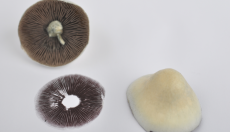
Apprends à réaliser une sporée de Psilocybe cubensis étape par étape, avec nos conseils de conservation, le matériel nécessaire et les façons d'utiliser ta sporée pour la microscopie ou la culture.
Dans ce guide : tout ce que tu dois savoir pour faire une sporée de Psilocybe cubensis. Nous détaillons la méthode pas à pas, les meilleurs supports et outils, la conservation de tes sporées pendant des années, et ce que tu peux en faire ensuite.
Que tu veuilles identifier une espèce de champignon, archiver des souches ou lancer une culture, la sporée est la base de tout.
Une sporée de Psilocybe cubensis (ou empreinte de spores) est un dépôt de spores libérées par le chapeau d'un champignon mature sur une surface stérile. C'est simple à réaliser, il faut très peu de matériel, et tu obtiens une archive génétique qui peut durer des années. Une sporée correctement conservée reste d'ailleurs viable pendant cinq à dix ans, voire davantage.
Une sporée sert à plusieurs choses. Les mycologues l'utilisent pour identifier les espèces, car la couleur et le motif du dépôt donnent des informations taxonomiques importantes. Les cultivateurs s'en servent comme point de départ pour des cultures sur agar, des cultures liquides et l'inoculation de grain. Les chercheurs, eux, l'utilisent pour la microscopie, afin d'étudier la morphologie des spores au grossissement. Quel que soit ton objectif, ce guide t'accompagne du début à la fin.
Qu'est-ce qu'une sporée de Psilocybe cubensis ?
Quand un champignon mature ouvre complètement son chapeau, les lamelles en dessous libèrent des millions de spores microscopiques. En posant le chapeau côté lamelles contre une surface et en le recouvrant, tu récupères ces spores selon un motif naturel. Ce dépôt, une fine couche poudreuse, c'est ta sporée.
Le Psilocybe cubensis produit des spores brun-violet foncé, presque noires. Cette couleur caractéristique permet de le distinguer d'autres espèces. Pour en savoir plus sur l'espèce elle-même, consulte notre guide c'est quoi les champignons magiques et la fiche Wikipédia de Psilocybe cubensis pour la taxonomie détaillée.
Le matériel nécessaire pour faire une sporée
Avant de commencer, rassemble le matériel suivant. La stérilité compte à chaque étape : une contamination ruine aussi bien la sporée que toutes les cultures que tu feras ensuite à partir d'elle.
| Matériel | Utilité | Où le trouver |
|---|---|---|
| Champignon Psilocybe cubensis mature | Source des spores : le chapeau doit être complètement ouvert, avec des lamelles foncées bien visibles | La récolte de ton propre kit de culture |
| Papier aluminium stérile | Le meilleur support pour récupérer et conserver la sporée | |
| Couteau ou ciseaux stérilisés | Couper proprement le pied à la base du chapeau | Cuisine ou matériel de laboratoire |
| Bocal en verre ou bol | Recouvrir le chapeau pour créer un microclimat humide | N'importe quel magasin d'ustensiles de cuisine |
| Alcool isopropylique à 70 % | Stériliser les surfaces, le papier aluminium et les outils | |
| Gants stériles | Éviter la contamination par contact avec la peau | |
| Sachet zip + étiquette | Fermer hermétiquement et identifier ta sporée conservée | Maison ou matériel de laboratoire |
| Sachet de gel de silice (facultatif) | Absorber l'humidité résiduelle pendant la conservation longue durée | En ligne ou en pharmacie |
Comment faire une sporée de Psilocybe cubensis : étape par étape
Suis ces sept étapes avec soin. Le processus complet prend 12 à 24 heures, mais le temps de travail actif ne dépasse pas 10 minutes.
1
Choisis un champignon mature
Choisis un champignon mature
Sélectionne un Psilocybe cubensis avec un chapeau complètement ouvert et des lamelles foncées bien visibles. Le timing est important : le chapeau doit s'être aplati, voire légèrement retroussé vers le haut. Si le voile en dessous vient de se déchirer, c'est le moment idéal. Les champignons plus jeunes, au chapeau encore fermé, ne libèrent pas assez de spores.
2
Stérilise ton espace de travail et tes outils
Stérilise ton espace de travail et tes outils
Nettoie ton plan de travail avec de l'alcool isopropylique à 70 %. Stérilise aussi ton couteau ou tes ciseaux, le papier aluminium et le bocal ou le bol en verre. Porte des gants stériles du début à la fin. Cette étape évite la contamination, qui est la première cause d'échec d'une sporée.
3
Coupe le pied
Coupe le pied
Avec ton couteau stérilisé, coupe le pied le plus près possible du chapeau. Seul le chapeau est nécessaire pour la sporée. Mets le pied de côté : tu peux le faire sécher pour un autre usage si tu veux.
4
Pose le chapeau côté lamelles vers le bas
Pose le chapeau côté lamelles vers le bas
Pose le chapeau directement sur ton papier aluminium stérile, lamelles tournées vers le bas. Le papier aluminium est idéal car il est facile à stériliser, à plier et à ranger. Si tu préfères, tu peux aussi utiliser une lame de verre ou un papier moitié blanc / moitié noir pour l'identification.
Astuce : les spores de Psilocybe cubensis sont brun-violet foncé. Elles ressortent très bien sur le papier aluminium. En revanche, si tu travailles avec des espèces à spores blanches ou claires, utilise plutôt du papier foncé ou du verre.
5
Couvre et attends 12 à 24 heures
Couvre et attends 12 à 24 heures
Place un bocal ou un bol en verre propre par-dessus le chapeau pour créer un microclimat humide. Cela aide les lamelles à libérer les spores de façon uniforme. Ensuite, il n'y a plus qu'à attendre. Au bout de 12 à 24 heures, les spores sont tombées et se sont déposées sur le papier aluminium selon un motif radial qui reprend la structure des lamelles.
6
Retire le chapeau
Retire le chapeau
Une fois le temps d'attente écoulé, soulève d'abord délicatement le bocal. Retire ensuite doucement le chapeau du papier aluminium. En dessous, tu verras un fin dépôt poudreux : ta sporée de Psilocybe cubensis. Manipule-la avec précaution, car les spores se détachent facilement.
7
Laisse sécher et scelle
Laisse sécher et scelle
Laisse la sporée sécher complètement à l'air libre dans un environnement propre. Cela prend généralement une à deux heures. Une fois sèche, replie le papier aluminium pour enfermer la sporée. Glisse le petit paquet dans un sachet zip étiqueté. Note le nom de la souche et la date sur l'étiquette pour t'y retrouver plus tard.
Comment conserver une sporée
Une bonne conservation garde ta sporée de Psilocybe cubensis viable pendant des années. Voici les règles à suivre :
ou les
.
Que faire avec une sporée ?
Une sporée de Psilocybe cubensis ouvre plusieurs possibilités. Voici les usages les plus courants :
Identification de l'espèce et microscopie
Gratte une toute petite quantité de spores sur une lame de verre, ajoute une goutte d'eau stérile et observe-la au microscope. La couleur, la forme et la taille des spores révèlent des détails taxonomiques essentiels. Les spores de Psilocybe cubensis mesurent environ 11,5–17 × 8–11,5 µm et apparaissent subellipsoïdes au grossissement.
Lancer une culture sur agar
Transfère un petit grattage de ta sporée sur une boîte de Petri d'agar nutritif, à l'intérieur d'une
. En 3 à 7 jours, tu devrais voir apparaître une croissance de mycélium blanc. Tu peux ensuite faire des repiquages d'agar à agar pour purifier la culture. Notre guide comment utiliser une sporée détaille tout ce processus.
Préparer une seringue de spores
Dilue une petite quantité de spores dans de l'eau distillée stérile pour obtenir une seringue de spores. Tu peux ensuite l'utiliser pour inoculer des bocaux ou des sacs de grain. Tu peux aussi sauter cette étape et
directement dans notre shop.
Créer une culture liquide
Transfère des spores dans un bouillon nutritif stérile. En 1 à 2 semaines, le mycélium se développe dans tout le liquide. Cette culture multipliée inocule le grain bien plus vite que des spores brutes. Pour en savoir plus sur toute la chaîne de culture, lis notre article de la sporée au grain colonisé.
Archivage génétique longue durée
La sporée est le meilleur format pour conserver des souches sur le long terme. Comme elle se stocke sèche et occupe très peu de place, tu peux constituer toute une collection de souches dans une petite boîte. Beaucoup de mycologues sérieux gardent à la fois des sporées pour l'archivage et des
pour le travail courant.
Sporée vs autres formats de spores
Comment la sporée se compare-t-elle aux autres façons de conserver et d'utiliser des spores de Psilocybe cubensis ? Ce tableau te donne un aperçu rapide :
| Format | Durée de conservation | Idéal pour | Acheter |
|---|---|---|---|
| Sporée | 5–10 ans et plus | Archivage longue durée, microscopie, préparer tes propres seringues | |
| Seringue de spores | 6–12 mois | Inoculation directe du grain, débutants | |
| Fiole de spores | 1–2 ans | Recherche prête à l'emploi, inoculations répétées | |
| Culture liquide | 2–6 mois | Colonisation rapide du grain, cultivateurs avancés |
Erreurs courantes quand on fait une sporée
Même si le processus est simple, quelques erreurs reviennent souvent. Évite-les pour obtenir à chaque fois une sporée propre et viable :
Astuce de pro : si tu fais pousser tes propres champignons avec un
, fais une sporée avec le plus beau champignon de chaque flush (volée). Avec le temps, tu te constitueras ainsi une collection génétique personnelle.
Sporée : ce que dit la loi
Les sporées de Psilocybe cubensis ne contiennent ni psilocybine ni psilocine : ces composés psychoactifs n'apparaissent que lorsque le mycélium se développe et fructifie. Dans de nombreux pays, les sporées ont donc un statut légal différent de celui des champignons eux-mêmes :
Vérifie toujours la législation locale. Même si les sporées sont légales dans la plupart des juridictions, la culture de champignons à psilocybine peut entraîner de lourdes sanctions. Ce guide est destiné à un usage éducatif et à la recherche. Respecte les lois de ton pays ou de ton État.
Prêt à te lancer ? Découvre toute notre collection de
, réalisées dans notre laboratoire d'Amsterdam en conditions stériles. Ou jette un œil aux
et aux
si tu préfères une solution prête à l'emploi.
Avertissement : cet article a une vocation éducative. Les sporées ne contiennent aucune substance contrôlée. Cependant, cultiver des champignons à psilocybine à partir de spores peut être contraire à la législation locale. Vérifie toujours ta situation juridique avant de te lancer.


Janvier 26, 2012