
Votre panier est vide.

Ayahuasca pour apprendre, guérir et évoluer spirituellement : le guide réaliste
Publié sous: Plantes ethnobotaniques & highs naturels
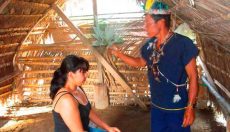
L'ayahuasca comme chemin d'apprentissage, de guérison et de croissance spirituelle : à quoi s'attendre (mise à jour 2026)
Depuis des milliers d'années, les communautés amazoniennes utilisent l'ayahuasca non pas simplement comme un remède, mais comme un enseignant. On y vient avec un deuil non résolu, en quête d'une direction, ou dans l'espoir de mieux se comprendre. Ce que l'on y trouve est souvent inattendu : une confrontation avec soi-même, suivie d'un profond sentiment de clarté.
Dans ce guide : un regard posé sur l'ayahuasca comme outil de développement personnel : en quoi consiste l'expérience, comment fonctionnent les retraites, ce que signifie l'intégration, et pourquoi la croissance spirituelle liée à l'ayahuasca est rarement instantanée.
Ce n'est pas un guide pour consommer l'ayahuasca à la légère. C'est une exploration réfléchie, destinée à celles et ceux qui veulent comprendre ce que ce chemin implique vraiment.
Avant d'aller plus loin, nous te conseillons de lire notre article de référence sur l'ayahuasca : son histoire, son usage, ses effets, ses ingrédients et sa sécurité. Le présent article s'appuie sur cette base et se concentre sur la dimension de l'apprentissage, de la guérison et de la croissance personnelle.
Pourquoi les gens se tournent vers l'ayahuasca
Les raisons qui poussent à tenter une expérience d'ayahuasca sont aussi variées que les personnes elles-mêmes. Certains arrivent après des années de thérapie qui n'ont pas semblé atteindre la racine de leur souffrance. D'autres viennent d'un parcours spirituel et se sentent appelés vers une connexion plus profonde. Beaucoup arrivent simplement par curiosité, après avoir lu des témoignages décrivant quelque chose qui dépasse l'expérience ordinaire.
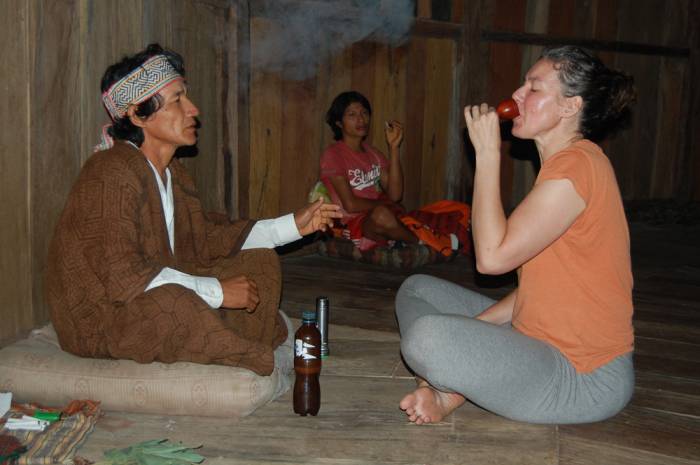
Parmi les motivations les plus courantes :
Ce qui réunit toutes ces motivations, c'est une même ouverture à l'exploration intérieure. L'ayahuasca ne donne pas de réponses confortables et faciles. Elle a tendance à montrer ce que l'on a besoin de voir, ce qui n'est pas toujours ce que l'on a envie de voir. Cette honnêteté est précisément ce que beaucoup de participants décrivent comme sa qualité la plus précieuse.
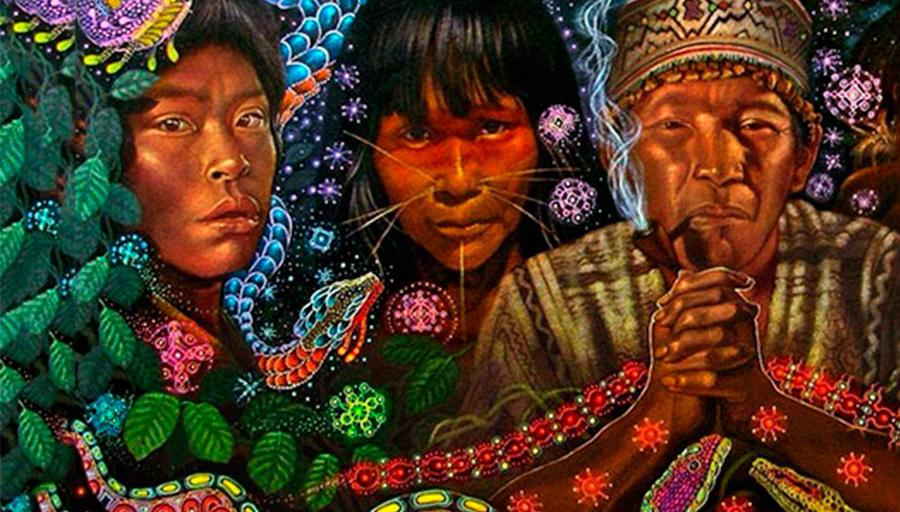
Ce que l'expérience de l'ayahuasca implique réellement
L'ayahuasca est un breuvage préparé à partir de la liane Banisteriopsis caapi et des feuilles de la plante Psychotria viridis. Associés, ces ingrédients donnent une boisson psychoactive puissante contenant de la DMT (diméthyltryptamine) ainsi que des inhibiteurs de la monoamine oxydase (IMAO) issus de la liane. L'expérience dure généralement de quatre à six heures et peut comporter des visions intenses, une libération émotionnelle, une perception du temps modifiée et des états de profonde compréhension.
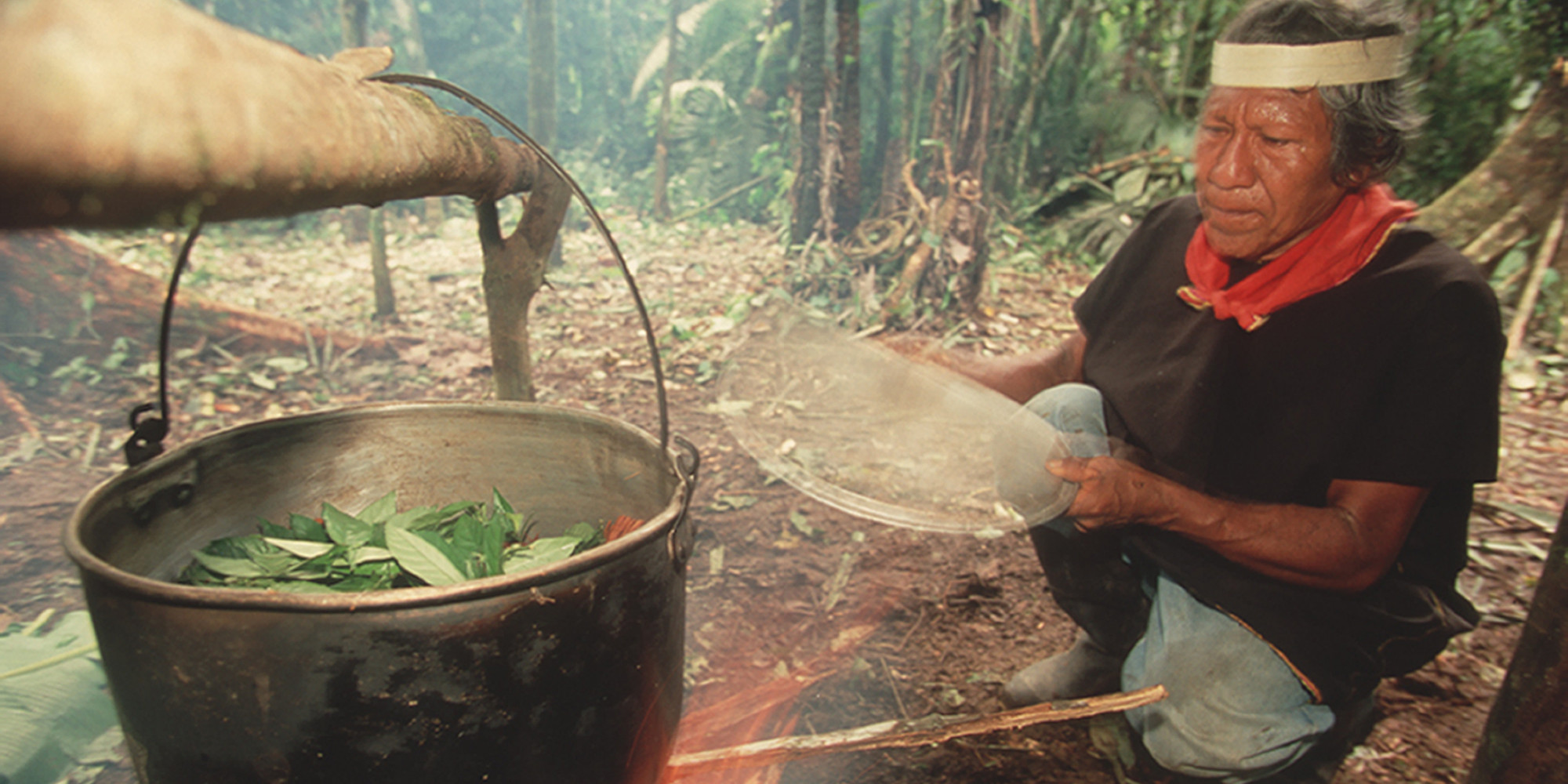
Il est important d'aborder cette expérience avec des attentes réalistes. Elle n'est pas systématiquement euphorique. Beaucoup de participants décrivent des passages difficiles : affronter leurs peurs, revisiter des souvenirs douloureux ou rencontrer des aspects de leur personnalité qu'ils évitaient jusque-là. Les facilitateurs expérimentés parlent souvent de « médecine à l'œuvre » : les moments éprouvants correspondent fréquemment aux avancées personnelles les plus marquantes.
Il faut aussi souligner que le set et le setting sont déterminants. Le set et le setting (ton état d'esprit et ton environnement physique) façonnent profondément l'expérience. C'est l'une des raisons pour lesquelles il est si important de choisir une retraite sérieuse, avec des facilitateurs formés.
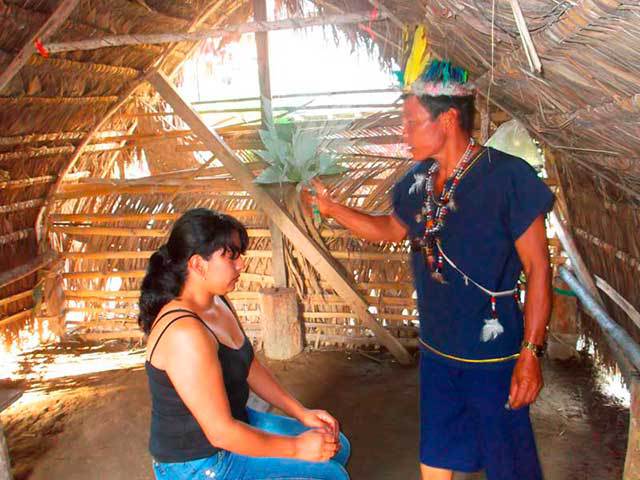
Retraites d'ayahuasca : sur quoi faut-il se baser ?
La majorité des personnes vivant dans les pays occidentaux accèdent à l'ayahuasca via des centres de retraite, principalement au Pérou, au Brésil, au Costa Rica et aux Pays-Bas (où certains cadres juridiques s'appliquent). La qualité et la sécurité de ces retraites varient énormément : il est donc essentiel de savoir quoi regarder.
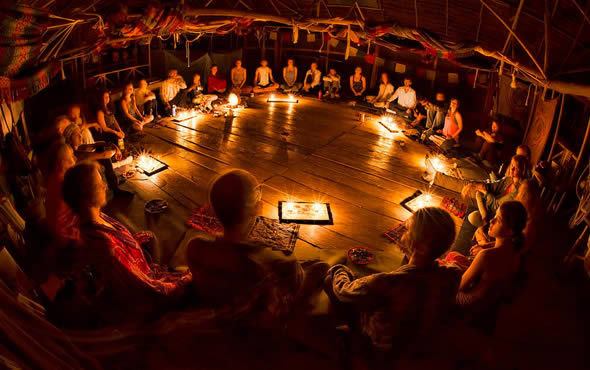
Sélection et préparation
Une retraite sérieuse posera des questions de santé détaillées avant d'accepter les participants. L'ayahuasca est contre-indiquée avec toute une série de médicaments, notamment les ISRS et les IMAO, et n'est pas recommandée pour les personnes ayant certains antécédents psychiatriques. Un questionnaire rigoureux est le signe d'une structure sérieuse, pas d'une lourdeur administrative. Méfie-toi de toute retraite qui ne sélectionne pas soigneusement ses participants.
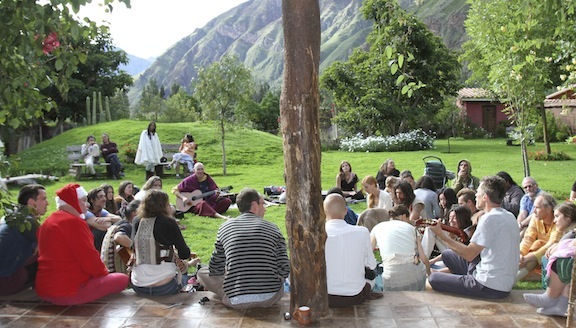
Des facilitateurs expérimentés
Idéalement, une retraite associe des guérisseurs indigènes (curanderos ou vegetalistas) à une équipe de soutien occidentale formée, capable de faire le lien entre les contextes culturels et psychologiques. Le rôle des facilitateurs pendant la cérémonie n'est pas passif : ils tiennent l'espace, guident la musique (les icaros sont des chants de guérison traditionnels utilisés en cérémonie) et accompagnent les participants en détresse.
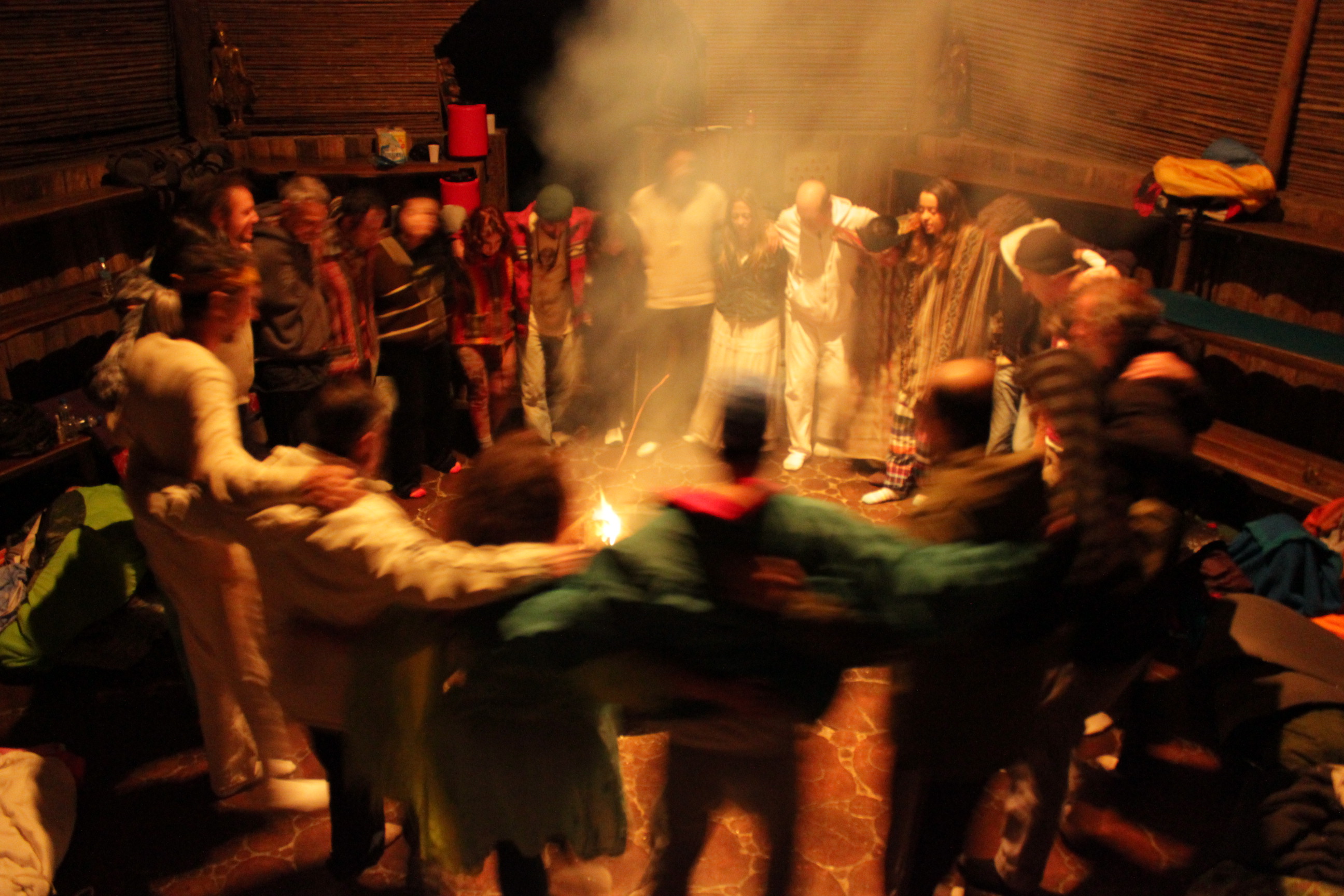
Accompagnement à l'intégration
Ce qui distingue une retraite vraiment utile d'une simple expérience intense, c'est l'accompagnement à l'intégration proposé ensuite. L'intégration, c'est le travail qui consiste à donner du sens à l'expérience : traduire les prises de conscience en changements durables dans la vie quotidienne. Les bonnes retraites incluent des cercles d'intégration pendant le séjour lui-même, et beaucoup proposent des séances de suivi quelques semaines ou quelques mois plus tard.
Astuce : quand tu compares des retraites, renseigne-toi précisément sur leur programme d'intégration. La cérémonie n'est qu'une étape ; c'est dans les semaines qui suivent que le vrai changement s'enracine ou s'évapore.
Le rôle de l'intégration dans la croissance personnelle
L'intégration est l'un des aspects les plus importants, et les plus sous-estimés, du travail avec l'ayahuasca. Beaucoup de personnes sortent de la cérémonie profondément transformées. Pourtant, sans intégration volontaire, ces prises de conscience peuvent s'effacer en quelques jours, ne laissant que des fragments de souvenirs et l'impression vague qu'il s'est passé quelque chose d'important.
Une intégration efficace est différente pour chacun, mais voici des pratiques courantes :
La communauté psychédélique a développé ces dernières années un riche savoir autour de l'intégration. Des organisations comme la MAPS (Multidisciplinary Association for Psychedelic Studies) ont produit de nombreuses ressources, et beaucoup de thérapeutes se spécialisent aujourd'hui dans l'accompagnement post-psychédélique.
Croissance spirituelle avec l'ayahuasca : des attentes réalistes
Le mot « spirituel » n'a pas le même sens pour tout le monde. Pour certains, il évoque un lien avec quelque chose de plus grand que soi : un sentiment d'unité, de sens, de sacré. Pour d'autres, il est plus psychologique : une meilleure connaissance de soi, un détachement des vieilles histoires, un changement de valeurs. L'ayahuasca a tendance à parler le langage de celui ou celle qui l'écoute.
Les recherches montrent de manière constante que les expériences d'ayahuasca entraînent fréquemment une hausse de ce que les psychologues appellent « l'expérience mystique » : un sentiment d'interconnexion, de sacré et de compréhension noétique (la sensation d'avoir saisi quelque chose de profondément vrai). Une étude de référence publiée dans Frontiers in Psychology (2019) a montré que les participants rapportaient, après une cérémonie d'ayahuasca, des améliorations significatives et durables de leur bien-être et de leur sens de la vie, ainsi qu'une réduction des symptômes dépressifs.
Cependant, la croissance spirituelle avec l'ayahuasca est rarement linéaire. Certaines personnes trouvent qu'une seule cérémonie ouvre une porte qu'elles mettent des années à franchir. D'autres participent à plusieurs retraites avant qu'un changement significatif ne se produise. Et pour certaines, l'expérience n'est tout simplement pas ce dont elles avaient besoin à ce moment-là, ce qui est aussi une information précieuse.
L'ayahuasca dans le paysage psychédélique au sens large
L'ayahuasca s'inscrit dans une tradition plus large d'exploration de la conscience par les plantes, qui comprend les champignons à psilocybine, le peyotl et d'autres plantes médicinales. Si ce contexte plus vaste t'intéresse, nos articles sur le chamanisme et les champignons magiques et les types de psychédéliques les plus courants sont de bons compléments à celui-ci.
L'intérêt scientifique grandit aussi pour l'association des plantes médicinales avec les cadres thérapeutiques modernes. Le domaine émergent de la thérapie assistée par les psychédéliques s'appuie à la fois sur la sagesse traditionnelle de la médecine amazonienne et sur les connaissances de la psychologie contemporaine. Même si l'ayahuasca ne fait pas encore l'objet d'essais cliniques formels au même titre que la psilocybine ou la MDMA, les preuves de son potentiel thérapeutique ne cessent de s'accumuler.
L'ayahuasca est-elle faite pour toi ?
Cette question mérite une réflexion honnête. L'ayahuasca est une expérience puissante. Elle exige une véritable volonté de changer, pas seulement de la curiosité pour ce qu'on pourrait ressentir. Les personnes qui l'abordent avec des intentions claires, une bonne préparation et un bon cadre de soutien la décrivent généralement comme réellement transformatrice. Celles qui s'y lancent sur un coup de tête ou sans contexte adéquat trouvent souvent l'expérience confuse ou difficile à digérer.
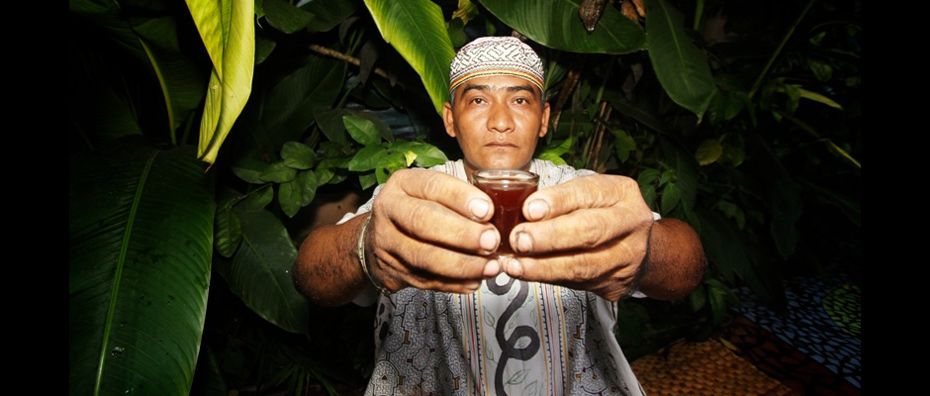
Concrètement, il est aussi important de préparer son corps. La plupart des retraites sérieuses recommandent un régime préparatoire (la dieta) dans les semaines précédant la cérémonie : éviter l'alcool, certains aliments et les médicaments susceptibles d'interagir avec le breuvage. Cette préparation n'est pas seulement symbolique ; elle a une vraie pertinence physiologique, vu la teneur en IMAO de la liane.
Enfin, il vaut la peine de se demander pourquoi, et pourquoi maintenant. L'ayahuasca a la particularité d'amplifier tout ce qui est présent dans la vie d'une personne. Y venir par véritable disponibilité intérieure, plutôt que par désespoir ou envie de fuir, donne généralement des résultats plus riches de sens.
Tu es curieux d'autres chemins pour élargir ta conscience ? Découvre notre gamme de truffes magiques ou renseigne-toi sur le microdosing comme introduction en douceur.
Remarque : si tu souffres d'une maladie mentale et que tu t'intéresses à la psilocybine ou à toute autre thérapie psychédélique, consulte d'abord les autorités médicales compétentes. Ne t'automédique pas : il est essentiel d'être bien entouré et accompagné lorsqu'on utilise des psychédéliques comme médicament.


Août 26, 2016