
No tiene artículos en su carrito de compras.

Ethnobotanicals & Natural Highs
Explore the fascinating world of ethnobotanicals and natural highs. From San Pedro cactus and Salvia Divinorum to Blue Lotus, ayahuasca, and herbal stimulants. Learn about their history, effects, preparation methods, and safe use.
-
How to Grow San Pedro Cactus: Seeds, Cuttings & Care Guide
March 23, 2026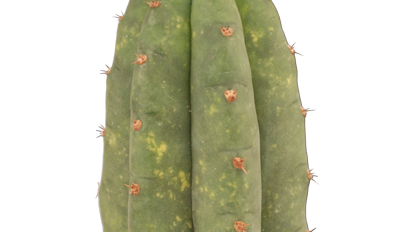
A beginner-friendly guide to growing Echinopsis pachanoi from seeds or cuttings — indoors or out.
The San Pedro cactus is one of the fastest-growing columnar cacti in the world, and many people assume it must be difficult to cultivate. It is not. With the right setup and a bit of patience, you can grow San Pedro cactus successfully — whether you are starting from seed or from a cutting. This guide walks you through everything you need to know, from germination to long-term care.
Catmint: More Than Just a Feline Delight
March 23, 2026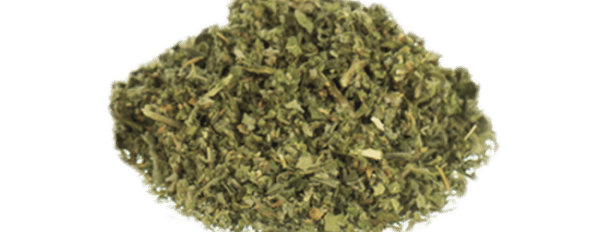
Catmint,Nepeta cataria , also known as catnip and catswort, is a perennial herb that is part of the mint family. While it’s famous for its effects on cats, it has been used for thousands of years by humans for its potential healing properties. In this blog post, we’ll explore the how to use and grow catmint. We include botany, history, and effects of catnip on both cats and humans.
San Pedro Cactus: Information and User Guide
March 23, 2026
History, effects, preparation and growing — everything you need to know about Echinopsis pachanoi (2026 Update)
The San Pedro cactus has stood in the Andean highlands for thousands of years, used by healers, shamans, and communities seeking connection with the world around them. Today, interest in this remarkable plant is growing well beyond South America. Whether you are curious about its history, its effects, or how to grow one yourself, this guide covers everything you need to know.

San Pedro, Peyote, and Peruvian Torch — A Complete Guide to Psychedelic Cacti (2026 Update)
Cacti and psychedelics might not be the first combination that comes to mind, but some of the world's most ancient and respected plant medicines grow as towering green columns in the deserts of the Americas. Psychedelic cacti have been used in traditional ceremonies for thousands of years — and they continue to attract curiosity from researchers and spiritual seekers alike. This guide covers the three main species you are likely to encounter: San Pedro, Peyote, and the Peruvian Torch.
Ayahuasca: History, Use, Effects, Ingredients & Safety
March 23, 2026
Ayahuasca: History, Ingredients, Effects, Ceremony & Safety — What You Need to Know (2026 Update)
In this guide: Ayahuasca ranks among the world's most complex and culturally significant plant medicines. For centuries, Amazonian healers have used this brew in ceremonies. Today, researchers across three continents study its potential.
Below, we cover the full picture: the history of ayahuasca, how the brew works, what happens during a ceremony, what the effects feel like, and — critically — what you need to know about safety.
Palo Santo Holy Wood: History, Uses & How to Burn It
March 23, 2026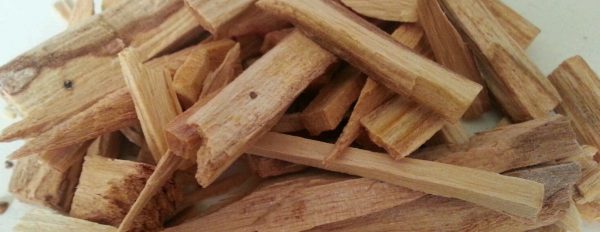
The Complete Guide to Palo Santo Holy Wood — History, Uses & How to Burn It (2026 Update)
Palo santo has been used in South American ritual and healing traditions for centuries. Today, people across the world burn its fragrant wood to clear the air, calm the mind, and create a sense of sacred space. But what exactly is it, where does it come from, and how do you use it properly?
Popular Herb Aphrodisiacs: Kava, Catuaba, Shatavari & More
March 23, 2026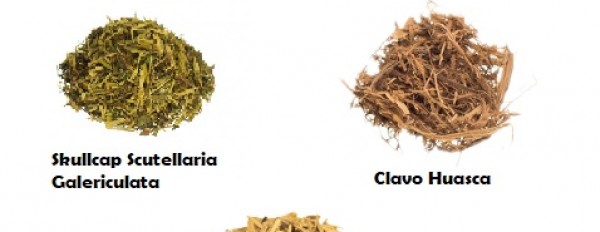
Herb Aphrodisiacs Used Across Cultures: Kava, Catuaba, Shatavari, and More (2026 Update)
Herb aphrodisiacs have played a role in human culture for thousands of years. Every major traditional medicine system — from Ayurveda to Traditional Chinese Medicine to Amazonian herbalism — includes plants that support desire and intimate wellbeing. This guide explores the most popular herb aphrodisiacs that deserve wider attention today.
These plants differ from the stimulant herbs and energy boosters covered in our herb stimulants guide. Instead, herb aphrodisiacs target desire, connection, and sexual vitality through gentler, often adaptogenic pathways.

Updated March 2026 · 5 min read
Hawaiian Baby Woodrose (Argyreia nervosa) produces seeds packed with ergine (LSA), a naturally occurring psychedelic closely related to LSD. The effects range from euphoria and visual shifts to deep introspective insight — all from a handful of small brown seeds.
Buy Hawaiian Baby Woodrose seeds in our shop — 10 seeds per pack, ready to use or grow.
Morning Glory Seeds: LSA, History, Effects, and Preparation
March 23, 2026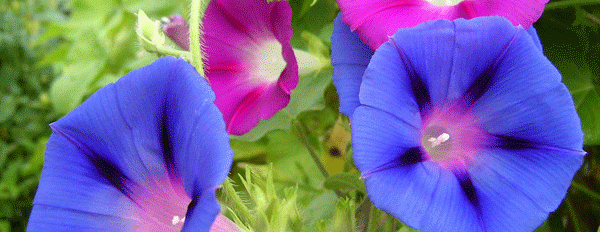
Morning Glory Seeds, LSA, and the Plant's Psychedelic History — A Complete Guide (2026 Update)
Morning glory vines are a familiar sight in gardens around the world. Their trumpet-shaped blooms open at dawn, close by midday, and return the next morning. What fewer people know is that certain morning glory species produce seeds containing a naturally occurring psychedelic compound called lysergic acid amide — better known as LSA. The connection between these common garden flowers and psychedelic experience stretches back centuries.
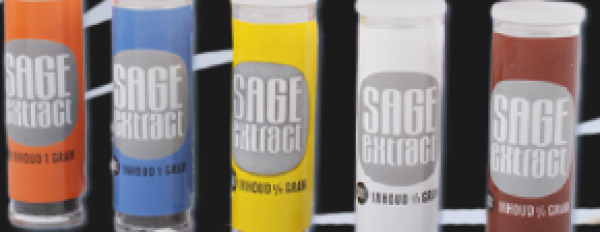
Salvia Divinorum: Leaves, Extracts, Effects, and Risks — Complete Guide (2026 Update)
Salvia divinorum is one of the most unusual psychoactive plants on Earth. It produces an intense, short-lived experience that is very different from other psychedelics. This complete guide explains what salvia divinorum is, how it works, what forms are available, and what to be aware of before you consider using it.
Elementos 1 a 10 de un total de 18
Página:- 1
- 2


