Votre panier est vide.
Psychédéliques et addiction : ce que dit vraiment la recherche (mise à jour 2026)
Publié sous: Science & Actus sur la Psilocybine
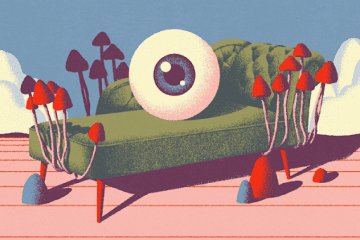
Ce que dit la recherche sur les psychédéliques et le traitement des addictions, de l'alcool au tabac en passant par les opioïdes. Un guide complet 2026.
Dans cet article : les psychédéliques et le traitement des addictions forment l'un des domaines les plus prometteurs de la recherche psychiatrique moderne. Des études sur la psilocybine, le LSD et l'ibogaïne suggèrent que ces substances pourraient aider les personnes à se libérer d'addictions qui résistent aux autres traitements.
On fait le point sur les dernières recherches, les mécanismes avancés, les ressources d'aide et ce que la science permet d'affirmer aujourd'hui.
L'addiction est l'un des problèmes les plus difficiles à traiter en médecine. Malgré des décennies de recherche, beaucoup de traitements existants affichent des taux de réussite limités. Un grand nombre de personnes qui veulent arrêter l'alcool, le tabac ou les opioïdes rechutent en quelques mois. Ce n'est pas un manque de volonté. L'addiction crée des schémas cérébraux profondément ancrés, extrêmement difficiles à modifier.
Dans ce contexte, la recherche grandissante sur les psychédéliques et le traitement des addictions apporte un véritable espoir. Des scientifiques de Johns Hopkins University, de NYU et de l'Imperial College London ont tous publié des résultats encourageants. Leurs conclusions suggèrent que les psychédéliques pourraient interrompre les schémas addictifs d'une manière que les traitements conventionnels n'atteignent pas.
Pourquoi l'addiction est si difficile à traiter
Pour comprendre pourquoi les psychédéliques sont si prometteurs dans le traitement des addictions, il faut d'abord comprendre ce qui rend l'addiction aussi tenace. L'addiction n'est ni une mauvaise habitude ni une faiblesse morale. C'est une condition neurologique complexe où le système de récompense du cerveau est détourné. Les comportements compulsifs persistent même quand la personne veut sincèrement arrêter.
Beaucoup d'addictions sont aussi profondément liées à une souffrance psychologique : traumatisme, dépression, anxiété, solitude. La consommation commence souvent comme un moyen de gérer la douleur. Avec le temps, elle devient elle-même une source de douleur. Traiter l'addiction sans s'occuper de la souffrance sous-jacente donne rarement des résultats durables.
C'est précisément là que les psychédéliques pourraient apporter quelque chose de vraiment différent. Ils ne ciblent pas seulement le symptôme. Ils semblent plutôt s'attaquer au matériel psychologique profond qui l'alimente. Pour en savoir plus sur la façon dont les champignons à psilocybine agissent sur le cerveau, lis notre guide détaillé.
Psilocybine et dépendance à l'alcool
L'une des études les plus marquantes sur les psychédéliques et le traitement des addictions a été publiée dans JAMA Psychiatry en 2022. Des chercheurs de NYU ont mené un essai randomisé en double aveugle sur la thérapie assistée par la psilocybine pour le trouble de l'usage de l'alcool. Résultat : les jours de forte consommation sont tombés à 9,7 % dans le groupe psilocybine, contre 23,6 % dans le groupe placebo. Aucun événement indésirable grave n'a été observé.
Point important : les participants ont décrit des changements profonds dans la perception d'eux-mêmes pendant leurs séances. Beaucoup ont parlé d'une reconnexion avec leurs valeurs essentielles et d'expériences qu'ils classent parmi les plus marquantes de leur vie. Ces changements ont transformé leur rapport à l'alcool, là où la thérapie traditionnelle n'y était pas parvenue.
Une revue systématique de 2025 a confirmé ces résultats à travers plusieurs études. La psychothérapie assistée par la psilocybine montre des réductions significatives de la consommation d'alcool. Pour approfondir la science du cerveau derrière tout ça, jette un œil à notre article sur les champignons et l'esprit.
Psilocybine et sevrage tabagique
L'étude la plus convaincante sur les psychédéliques et le traitement des addictions vient peut-être de Johns Hopkins University. Matthew Johnson et ses collègues ont utilisé la thérapie assistée par la psilocybine pour aider des fumeurs à arrêter de fumer. Résultat : 80 % des participants étaient abstinents à six mois. Les meilleurs médicaments disponibles tournent autour de 35 % de réussite.
En mars 2026, Johns Hopkins a publié de nouveaux résultats dans JAMA Network Open. Un essai randomisé de plus grande ampleur a montré qu'une seule séance de psilocybine rendait les participants plus de six fois plus susceptibles de rester sans tabac que les patchs nicotiniques. Johnson a qualifié ces résultats d'« extrêmement encourageants ».
Pourquoi ça marche ? Beaucoup de participants ont expliqué que leur expérience avec la psilocybine leur avait donné un nouveau regard sur la cigarette. Ils ont vu cette habitude comme quelque chose d'extérieur à leur identité, et non comme une part de ce qu'ils étaient vraiment. Ce changement de perspective semble avoir été central dans leur réussite. Au suivi à long terme (30 mois), 67 % des participants étaient toujours abstinents, et 87 % classaient l'expérience parmi les cinq plus marquantes de leur vie.
Ibogaïne et dépendance aux opioïdes
L'ibogaïne occupe une place à part dans le débat sur les psychédéliques et le traitement des addictions. Extraite de l'écorce de racine de la plante africaine Tabernanthe iboga, elle est utilisée depuis des décennies pour traiter la dépendance aux opioïdes. Les études observationnelles montrent systématiquement des résultats spectaculaires.
L'ibogaïne semble réduire les symptômes de sevrage aux opioïdes jusqu'à 80 % en quelques heures. Elle peut supprimer l'envie de consommer pendant des semaines, voire des mois, après une seule séance. Une étude a constaté que 80 % des participants étaient toujours abstinents à un mois. Le mécanisme diffère de celui des psychédéliques classiques : l'ibogaïne agit simultanément sur plusieurs systèmes de récepteurs.
En février 2026, le parlement du Texas a approuvé 50 millions de dollars pour la recherche sur l'ibogaïne, le plus gros investissement unique dans la recherche sur l'ibogaïne de l'histoire américaine. Ce financement soutient le programme UTMB IMPACT et l'essai Stanford MISTIC, un essai contrôlé randomisé de phase II qui étudie l'ibogaïne pour le trouble de l'usage des opioïdes.
Important : l'ibogaïne présente des risques cardiaques importants et ne doit être administrée que dans un cadre médical adapté, après un bilan cardiaque approfondi. Ce n'est pas une substance à prendre à la légère ni sans encadrement professionnel.
Comment les psychédéliques pourraient interrompre l'addiction
Les chercheurs ont avancé plusieurs mécanismes par lesquels les psychédéliques pourraient agir sur le traitement des addictions :
La neuroplasticité
Les psychédéliques, en particulier la psilocybine et le LSD, favorisent la neuroplasticité. C'est la capacité du cerveau à former de nouvelles connexions et à modifier ses schémas existants. L'addiction est en partie un trouble de circuits neuronaux rigides. Les psychédéliques pourraient « assouplir » ces circuits et ouvrir des fenêtres pour que de nouveaux schémas se mettent en place. Des recherches publiées dans Nature Mental Health explorent cette hypothèse de la neuroplasticité en détail.
Les études de neuroimagerie sur l'ibogaïne montrent des effets similaires. La substance stimule la croissance de nouvelles cellules nerveuses et aide le cerveau à revenir à un état antérieur à l'addiction. Pour en savoir plus sur la façon dont la psilocybine modifie le cerveau, lis notre article sur la psilocybine et le cerveau.
L'expérience mystique
Un constat revient dans toutes les études : le résultat thérapeutique est fortement corrélé à l'intensité de l'expérience mystique vécue pendant la séance. Les participants qui vivent des expériences profondes (sentiment d'unité, de transcendance, de grande signification personnelle) obtiennent les meilleurs résultats.
Cela suggère que le mécanisme va au-delà de la pharmacologie. La qualité et le sens de l'expérience elle-même comptent énormément. Dans l'étude de Johns Hopkins sur le tabac, 87 % des participants ont classé leur séance parmi les cinq plus significatives spirituellement de leur vie.
La prise de conscience psychologique
Les psychédéliques semblent aussi accélérer la prise de conscience psychologique. Beaucoup de participants aux études sur les addictions racontent avoir accédé à des souvenirs, des émotions et des compréhensions qui leur étaient inaccessibles auparavant. Cela passe souvent par la confrontation avec la douleur sous-jacente qui a nourri l'addiction au départ.
Mais ce processus psychologique demande un accompagnement thérapeutique qualifié. La thérapie assistée par psychédéliques, c'est bien plus que donner une substance à quelqu'un. La préparation en amont et l'intégration après la séance sont tout aussi importantes. Pour en savoir plus sur l'intégration, lis notre article sur l'intégration de ton expérience psychédélique.
Astuce : le set et le setting comptent énormément pour les résultats thérapeutiques. Notre guide sur le set and setting t'explique comment créer les bonnes conditions pour une expérience porteuse de sens.
Les psychédéliques créent-ils eux-mêmes une dépendance ?
Une des questions les plus fréquentes sur les psychédéliques et le traitement des addictions : les psychédéliques sont-ils eux-mêmes addictifs ? Les données répondent clairement non. Les psychédéliques classiques (psilocybine, LSD, mescaline) ne provoquent pas de dépendance physique. Ils n'activent pas les circuits de la récompense comme le font l'alcool, les opioïdes ou les stimulants.

En fait, la tolérance s'installe très vite. Prendre des psychédéliques fréquemment produit des effets de plus en plus faibles, ce qui limite naturellement leur usage. La plupart des gens en consomment rarement, à la fois à cause de ce mécanisme de tolérance et parce que les expériences sont assez intenses pour qu'on n'ait pas envie de les répéter tout de suite. Pour en savoir plus, lis notre article les champignons magiques créent-ils une dépendance ?
Où trouver de l'aide contre l'addiction
Si toi ou l'un de tes proches luttez contre une addiction, un soutien professionnel est disponible dès maintenant. Pas besoin d'attendre que la thérapie psychédélique se généralise. Ces ressources offrent une aide immédiate et confidentielle :
Si tu es en situation de crise : appelle immédiatement les services d'urgence de ton pays ou la ligne d'aide de la SAMHSA au 1-800-662-4357. De l'aide est disponible 24h/24, 7j/7.
Précautions importantes
La recherche sur les psychédéliques et le traitement des addictions est vraiment prometteuse. Il faut cependant garder ces résultats avec le recul nécessaire. La plupart des études restent petites. Beaucoup sont des études pilotes ou des essais de phase 2. Des essais de phase 3 plus vastes, dont l'essai Stanford MISTIC sur l'ibogaïne et l'extension de la recherche de Johns Hopkins sur le tabac, sont maintenant en cours.
De plus, les données concernent des psychédéliques utilisés dans un cadre thérapeutique structuré. Une bonne préparation, un accompagnement professionnel et l'intégration sont essentiels, et non une consommation récréative sans encadrement. Le cadre thérapeutique n'est pas un détail : il est au cœur du résultat.
Si tu veux comprendre comment le microdosing s'inscrit dans ce tableau, notre guide t'explique la différence entre les doses thérapeutiques et les microdoses subperceptives. Découvre aussi notre guide complet des truffes magiques pour connaître les options légales de psilocybine aux Pays-Bas.
Remarque : si tu traverses des difficultés de santé mentale et que la psilocybine ou une autre thérapie psychédélique t'intrigue, consulte d'abord un professionnel de santé. Ne t'automédique pas. Un accompagnement et des conseils adaptés comptent beaucoup quand on explore les psychédéliques comme médicament.
La suite de l'histoire
La trajectoire de la recherche sur les psychédéliques et le traitement des addictions est claire. Ce domaine progresse vite, attire une attention scientifique sérieuse et produit des résultats difficiles à ignorer. Pour les millions de personnes dont la vie est touchée par l'addiction, et pour leurs proches, cette recherche représente un véritable espoir.
Que la psilocybine, la MDMA ou l'ibogaïne deviennent un jour des traitements de référence dépend des essais en cours, des décisions réglementaires et de la préparation des systèmes de santé. Les signes sont toutefois de plus en plus positifs. L'investissement de 50 millions de dollars du Texas dans l'ibogaïne et la nouvelle étude MAPS–Columbia sur la thérapie de couple assistée par MDMA signalent tous deux un changement d'attitude dans l'opinion dominante.
Le potentiel thérapeutique de la psilocybine t'intéresse ? Découvre notre gamme de
et de
, sélectionnés avec soin et expédiés depuis Amsterdam.


Mars 23, 2026