
Votre panier est vide.

Psilocybine et nouveaux neurones : la science expliquée
Publié sous: Science & Actus sur la Psilocybine
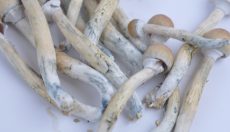
La psilocybine peut-elle créer de nouvelles cellules cérébrales ? Les recherches répondent oui. Une étude marquante de 2013, menée à l'Université de Floride du Sud (USF), a montré que de faibles doses de psilocybine stimulent la neurogenèse – la naissance de nouveaux neurones – dans l'hippocampe de souris. Depuis, plusieurs études ont confirmé et élargi cette découverte. Dans cet article, on décortique la recherche d'origine, on voit ce qui a changé depuis et on t'explique pourquoi la psilocybine et les nouvelles cellules cérébrales comptent pour la santé mentale en 2026.
L'étude originale : psilocybine et nouvelles cellules cérébrales chez la souris
En 2013, le Dr Juan Sanchez-Ramos, professeur de neurologie à l'Université de Floride du Sud, et la chercheuse principale Briony Catlow ont publié dans Experimental Brain Research une étude qui a changé le débat sur la psilocybine et les nouvelles cellules cérébrales. L'équipe a administré différentes doses de psilocybine à des souris, puis a mesuré ce qui se passait dans l'hippocampe, la région du cerveau responsable de la mémoire et de l'apprentissage.
Les résultats sont frappants. Les souris ayant reçu de faibles doses de psilocybine ont montré une nette tendance à l'augmentation de la neurogenèse dans le gyrus denté, une sous-région de l'hippocampe où naissent de nouveaux neurones. De plus, ces souris ont éteint leurs réponses de peur conditionnée beaucoup plus vite que les souris ayant reçu une solution saline. En d'autres termes, les souris traitées à la psilocybine « oubliaient » plus rapidement les souvenirs effrayants tout en fabriquant de nouvelles cellules cérébrales.
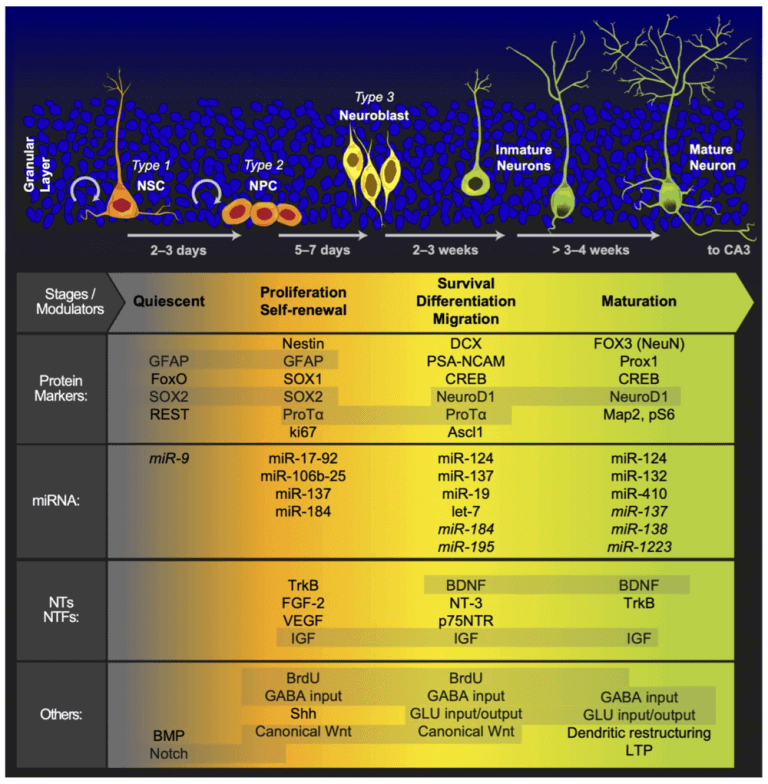 Régulateurs moléculaires de la neurogenèse hippocampique chez l'adulte
Fait intéressant : les fortes doses ont produit l'effet inverse et ont même diminué le nombre de neurones nouvellement formés. Cet effet dépendant de la dose montre bien pourquoi il est important de bien doser, un point qu'on détaille dans notre guide du dosage des champignons magiques.
Comment la psilocybine déclenche la croissance de nouvelles cellules cérébrales
Alors, comment la psilocybine crée-t-elle de nouvelles cellules cérébrales ? Le mécanisme repose sur les récepteurs de la sérotonine, plus précisément le récepteur 5-HT2A. Dans l'organisme, la psilocybine se transforme en psilocine, qui se fixe ensuite sur les récepteurs 5-HT2A, concentrés dans l'hippocampe. Cette liaison déclenche une cascade de voies de signalisation – dont la voie mTOR – qui favorisent la prolifération et la différenciation des cellules souches neuronales.
Par ailleurs, la psilocine augmente la production de BDNF (Brain-Derived Neurotrophic Factor, ou facteur neurotrophique dérivé du cerveau), une protéine qui soutient la survie et la croissance des neurones. Une étude de février 2026 publiée dans eLife a confirmé ce phénomène pour la première fois sur des neurones humains. Les chercheurs ont observé une augmentation significative, dépendante de la dose, des particules positives au BDNF après exposition à la psilocine, ainsi qu'une croissance dendritique et une formation de synapses accrues. Ces résultats comblent enfin le fossé entre les études sur l'animal et la neurobiologie humaine.
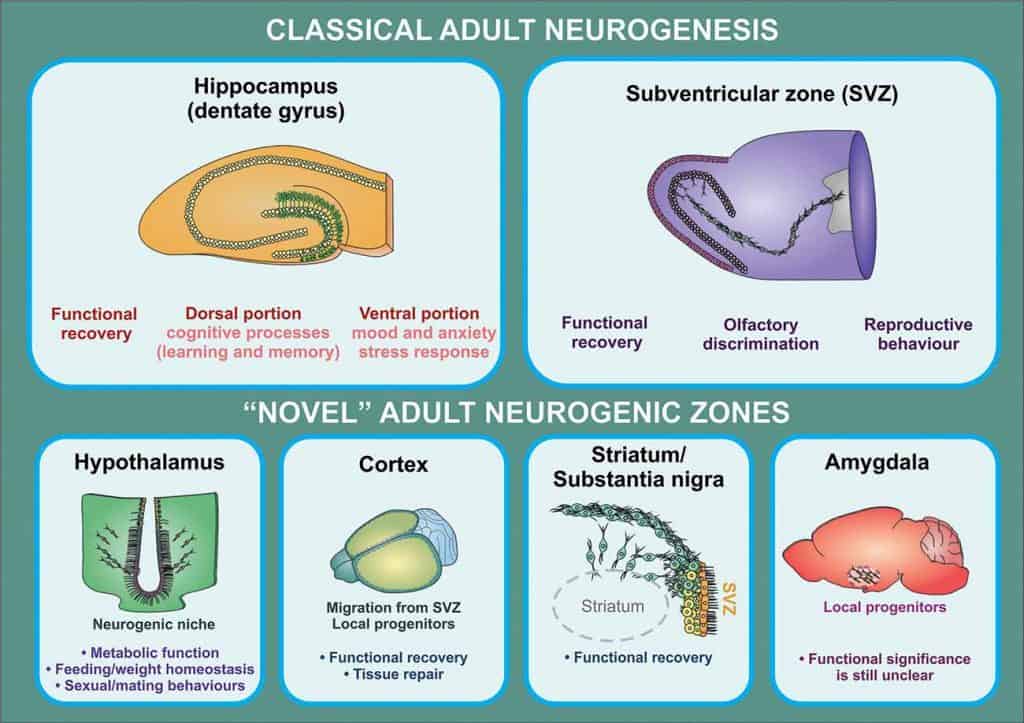 Implications fonctionnelles de la neurogenèse chez l'adulte
Au-delà de la neurogenèse, la psilocybine favorise aussi la synaptogenèse, c'est-à-dire la création de nouvelles connexions entre des neurones existants. Ensemble, neurogenèse et synaptogenèse constituent les deux piliers de ce que les scientifiques appellent la neuroplasticité. Tu peux en apprendre plus sur l'influence de ces processus sur l'expérience psychédélique dans notre article sur le fonctionnement des psychédéliques dans le cerveau.
Psilocybine, nouvelles cellules cérébrales et extinction de la peur
L'un des aspects les plus passionnants de l'étude de l'USF, c'est ce que la psilocybine et les nouvelles cellules cérébrales impliquent pour le traitement des troubles liés à la peur. Les souris ayant reçu de la psilocybine à faible dose ont éteint leur réponse de peur conditionnée nettement plus vite que les souris témoins. D'après le Dr Sanchez-Ramos : « La psilocybine a favorisé l'oubli du souvenir désagréable associé au son. »
Cette découverte a des conséquences directes pour des troubles comme le SSPT (stress post-traumatique), l'anxiété et les phobies, qui impliquent tous l'incapacité du cerveau à lâcher prise face aux souvenirs de peur. Une étude de suivi de 2023 parue dans le Chinese Medical Journal a reproduit et prolongé ces résultats, concluant qu'« une dose unique de psilocybine a facilité une extinction de la peur rapide et durable », en partie grâce à la stimulation de la neuroplasticité de l'hippocampe. Résultat : la thérapie assistée par la psilocybine est désormais envisagée en complément des traitements par exposition pour la dépression et l'anxiété.
Qu'est-ce qui a changé depuis 2013 ?
L'étude originale a ouvert une porte, et depuis, la science de la psilocybine et des nouvelles cellules cérébrales s'est accélérée à toute vitesse. Voici les avancées les plus importantes :
Bref, l'histoire de la « psilocybine et des nouvelles cellules cérébrales » est passée d'une simple étude sur la souris à un véritable mouvement de recherche mondial.
Le lien avec la théorie du singe stone
La découverte que la psilocybine favorise la neurogenèse a aussi redonné un second souffle à la célèbre théorie du singe stone (« Stoned Ape Theory ») de Terence McKenna. McKenna proposait que les premiers humains qui consommaient des champignons à psilocybine aient pu bénéficier d'avantages cognitifs – vision plus acérée, créativité accrue, liens sociaux renforcés – qui auraient accéléré l'évolution du cerveau humain.
Même si la théorie reste spéculative, l'étude de l'USF lui apporte une certaine plausibilité scientifique. Si la psilocybine peut déclencher la croissance de nouvelles cellules cérébrales et améliorer l'extinction de la peur chez la souris, il n'est pas absurde de penser que des effets similaires chez les premiers hominidés aient pu offrir des avantages de survie. Cela dit, la plupart des neuroscientifiques y voient une hypothèse intrigante plutôt qu'un fait établi.
Ce que la psilocybine et les nouvelles cellules cérébrales signifient pour toi
Pas besoin d'être neuroscientifique pour profiter de ces recherches. Les enseignements pratiques sont clairs :
Tu veux savoir ce qu'a vécu le présentateur de la BBC Michael Mosley lors d'un scan cérébral en direct sous psilocybine ? Lis notre article mis à jour sur l'expérience de Michael Mosley avec la psilocybine, avec les images originales de la BBC.
Prêt à explorer la psilocybine par toi-même ? Découvre nos kits de culture de champignons magiques et lance ta culture à la maison.


Mars 23, 2026