Votre panier est vide.
Champignons magiques vs LSD : chimie, effets, durée et différences clés
Publié sous: Science & Actus sur la Psilocybine
Champignons magiques vs LSD : chimie, effets, durée et principales différences (mise à jour 2026)
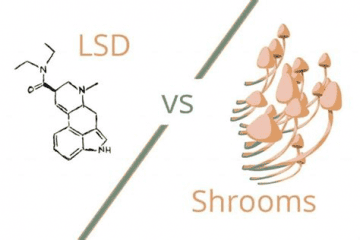
Les champignons magiques et le LSD sont les deux psychédéliques classiques dont on parle le plus. Tous deux provoquent des états de conscience modifiés via des mécanismes proches, et pourtant les expériences qu'ils procurent sont souvent décrites comme très différentes. Dans ce guide, on compare les deux substances d'un point de vue scientifique et expérientiel : chimie, biologie, effets, durée, aspects de sécurité et ce qui fait la particularité de chacun.
Dans ce guide : une comparaison détaillée entre les champignons magiques (psilocybine) et le LSD : leur chimie, leur mode d'action dans le cerveau, le type d'expérience, leur durée, leur profil de sécurité et les intentions pour lesquelles l'un ou l'autre peut être plus adapté.
Ce guide a une vocation purement informative. Nous présentons les informations de façon neutre et n'encourageons la consommation d'aucune de ces substances. Renseigne-toi toujours sur le statut légal dans ton pays.
La chimie : de quoi s'agit-il exactement ?
La psilocybine (champignons magiques)
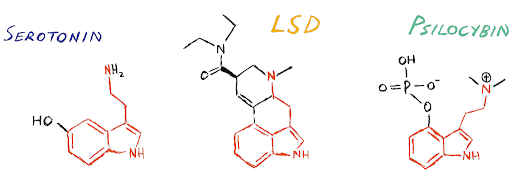
La psilocybine est un composé naturel produit par plus de 200 espèces de champignons, le plus souvent du genre Psilocybe. Une fois ingérée, elle est rapidement transformée par l'organisme en psilocine, le composé qui franchit réellement la barrière hémato-encéphalique et provoque les effets psychédéliques.
La psilocine ressemble structurellement à la sérotonine (5-hydroxytryptamine). Elle agit surtout comme agoniste des récepteurs 5-HT2A, les mêmes que ciblent la plupart des psychédéliques classiques. Elle interagit aussi avec d'autres sous-types de récepteurs de la sérotonine, ce qui pourrait expliquer le côté chaleureux et émotionnel du trip aux champignons.
Pour en savoir plus sur ce que sont les champignons magiques et sur leur fonctionnement, consulte notre guide qu'est-ce que les champignons magiques.
Le LSD (diéthylamide de l'acide lysergique)
Le LSD est un composé synthétique, synthétisé pour la première fois en 1938 par le chimiste suisse Albert Hofmann ; ses propriétés psychédéliques ont été découvertes par hasard en 1943. Contrairement à la psilocybine, on ne le trouve pas dans la nature. Il dérive de l'acide lysergique, présent dans l'ergot de seigle, un champignon qui se développe sur les céréales.
Le LSD agit lui aussi principalement sur les récepteurs 5-HT2A, mais il se lie à un plus grand nombre de récepteurs et avec une affinité plus forte que la psilocine. Il interagit également avec les récepteurs de la dopamine et les récepteurs adrénergiques, ce qui peut expliquer certaines différences dans la nature de l'expérience, notamment son côté stimulant et son caractère cognitif, presque cérébral, par rapport aux champignons.
Selon des recherches publiées par Nature Neuropsychopharmacology, la psilocybine comme le LSD agissent principalement par agonisme des récepteurs 5-HT2A, mais les interactions supplémentaires du LSD avec d'autres récepteurs lui donnent un profil pharmacologique plus large.
Comment ils agissent dans le cerveau
Les deux substances perturbent les schémas habituels d'activité et de connectivité du cerveau. Le réseau du mode par défaut (DMN), ce réseau de régions actif lors de la pensée centrée sur soi, de la rumination et du maintien du sentiment ordinaire de soi, est nettement atténué par la psilocybine comme par le LSD.
En parallèle, les deux substances augmentent la connectivité entre des régions du cerveau qui ne communiquent normalement pas directement. Cette hausse de la connectivité entre réseaux est associée à la pensée associative très riche, aux phénomènes visuels et au sentiment de conscience élargie qui caractérisent l'expérience psychédélique.
Une différence intéressante : à doses comparables, le LSD semble provoquer des modifications plus marquées du traitement visuel et de la perception du temps que la psilocybine, ce qui correspond à l'expérience couramment rapportée du LSD, plus visuelle et plus stimulante sur le plan cognitif. La psilocybine, elle, tend à produire des effets émotionnels et introspectifs plus prononcés, souvent décrits comme un voyage intérieur guidé.
Notre guide sur les champignons et l'esprit explore en profondeur les neurosciences de la psilocybine.
La durée : une grosse différence pratique
L'une des différences pratiques les plus importantes entre les champignons et le LSD, c'est la durée de l'expérience.
| Phase | Champignons magiques | LSD |
|---|---|---|
| Début des effets | 20–60 minutes | 30–90 minutes |
| Pic des effets | 2–3 heures | 4–6 heures |
| Durée totale | 4–6 heures | 8–12 heures |
| Afterglow (effet « après-trip ») | Plusieurs heures | Peut durer 12–24 heures |
Cette différence a des conséquences concrètes. Les champignons tiennent plus facilement dans une seule journée. Le LSD, beaucoup plus long, demande une journée entière et souvent une bonne partie de la nuit, et son côté stimulant peut empêcher de dormir même une fois le pic passé.
Pour une première expérience psychédélique, la durée plus courte des champignons est souvent considérée comme plus abordable. L'expérience est plus contenue et plus facile à gérer, surtout pour un premier vrai trip.
La nature de l'expérience
Champignons magiques : introspectifs et émotionnels
Les personnes qui ont testé les deux décrivent systématiquement les champignons comme plus émotionnels, plus introspectifs et plus propices à un sentiment de connexion : avec les autres, avec la nature et avec quelque chose de plus grand que soi. L'expérience paraît organique, biologique, avec une qualité que beaucoup associent au fait d'être en pleine nature.
Les champignons font plus facilement remonter des émotions difficiles ou des choses personnelles non résolues. C'est une part de leur intérêt thérapeutique, mais cela implique aussi de bien se préparer. Notre guide sur les 9 étapes pour un bon trip détaille cette préparation.
LSD : cognitif et visuel
Le LSD est généralement décrit comme plus cérébral, plus analytique et plus visuel. L'esprit s'emballe, enchaîne les connexions entre les idées à toute vitesse. Les visuels sont souvent décrits comme plus complexes et plus persistants. Son côté stimulant donne de l'énergie au corps, ce que certains trouvent éprouvant et d'autres excitant.
Le LSD est souvent associé au travail créatif et intellectuel. De nombreux artistes, musiciens et penseurs l'ont décrit comme un catalyseur de percées créatives. En revanche, cette même qualité peut le rendre plus exigeant quand l'objectif est un travail émotionnel ou une prise de conscience thérapeutique plutôt qu'une exploration créative.
Comparaison des profils de sécurité
Les deux substances sont considérées comme physiologiquement sûres : aucune n'a de dose létale connue chez l'humain par son seul effet pharmacologique. Ni l'une ni l'autre n'est considérée comme physiquement addictive. Toutes deux provoquent une tolérance rapide et complète après la prise, qui se réinitialise en une semaine environ.
Cependant, toutes deux comportent des risques psychologiques à prendre au sérieux.
Expériences difficiles
La psilocybine comme le LSD peuvent provoquer des expériences difficiles, effrayantes ou désorientantes sur le plan psychologique, ce qu'on appelle familièrement un « bad trip ». Le risque augmente quand le set et le setting n'ont pas été soigneusement pensés, en cas de fragilité psychologique sous-jacente, ou quand la prise est combinée à de l'alcool ou à d'autres substances.
Notre guide sur ce qu'on appelle le set et le setting t'explique comment limiter ce risque.
HPPD (trouble persistant de la perception induit par les hallucinogènes)
Une petite minorité de personnes qui consomment du LSD signalent des troubles visuels durables, une condition appelée HPPD. Cela semble rare, mais c'est plus souvent rapporté avec le LSD qu'avec la psilocybine. Les personnes concernées par la HPPD doivent arrêter immédiatement tous les psychédéliques et consulter un professionnel de santé.
Vulnérabilité psychologique
Les deux substances sont à éviter si tu as des antécédents personnels ou familiaux de schizophrénie, de psychose ou de certains autres troubles mentaux. Elles peuvent déclencher des épisodes psychotiques chez les personnes vulnérables. C'est une règle absolue, pas une question d'appréciation personnelle.
Important : les champignons magiques comme le LSD ne doivent pas être combinés avec du lithium, des IMAO ou d'autres médicaments psychiatriques sans surveillance médicale. L'association avec le lithium, en particulier, comporte un risque de convulsions.
Recherche thérapeutique : où en est-on ?
Dans la vague actuelle de recherche sur les psychédéliques, la psilocybine a reçu nettement plus d'attention clinique que le LSD. Plusieurs essais de phase 2 et de phase 3 ont montré des résultats prometteurs pour la dépression résistante, l'anxiété en fin de vie et les addictions. L'Imperial College London, Johns Hopkins et la NYU ont tous publié des travaux importants dans ce domaine.
Le LSD a suscité moins d'intérêt clinique, en partie parce que sa durée plus longue complique la logistique des essais. La recherche se poursuit néanmoins, et des études sur la psychothérapie assistée par LSD sont désormais menées en Suisse et dans d'autres pays. Les données disponibles sont encourageantes.
Comparatif rapide : champignons vs LSD
| Caractéristique | Champignons magiques | LSD |
|---|---|---|
| Origine | Naturelle (champignons) | Synthétique (dérivé de l'ergot de seigle) |
| Composé actif | Psilocybine / psilocine | Diéthylamide de l'acide lysergique |
| Durée | 4–6 heures | 8–12 heures |
| Nature de l'expérience | Émotionnelle, introspective | Visuelle, cognitive, stimulante |
| État de la recherche | Avancé (essais de phase 2/3) | Stade plus précoce |
| Statut légal | Variable ; truffes magiques légales aux Pays-Bas | Illégal dans la plupart des pays |
Tu es curieux de la psilocybine dans un cadre légal ?
: légales aux Pays-Bas, avec des siècles d'usage traditionnel et une base de preuves cliniques de plus en plus solide.
Remarque : si tu souffres d'une maladie mentale et que tu t'intéresses à la psilocybine ou à toute autre thérapie psychédélique, consulte d'abord les autorités médicales compétentes. Ne pratique pas l'automédication : il est essentiel d'être bien entouré et accompagné quand on utilise les psychédéliques comme médicament.


Mars 23, 2026