
Votre panier est vide.

Why Hygienic Precautions When Growing Magic Mushrooms Are Non-Negotiable (2026 Update)
Publié sous: Growing & Cultivation
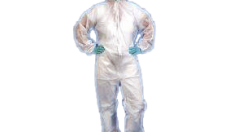
Why Hygienic Precautions Are the Single Most Important Habit in Magic Mushroom Cultivation (2026 Update)
Ask any experienced cultivator what caused their worst grow failures, and the answer is almost always the same: contamination. It rarely arrives in dramatic form. Instead, it creeps in through unwashed hands, an unclean work surface, or a moment of impatience. Hygienic precautions when growing magic mushrooms are not optional extras — they are the foundation of every successful cultivation, whether you are using a ready-made grow kit or building your own substrate from scratch.
In this guide: Why hygienic precautions when growing magic mushrooms matter so much, what contaminants look like and how they spread, the essential hygiene steps for every grow session, and which products make the job easier.
This guide applies to grow kits, PF Tek cakes, and bulk substrate cultivation.
Why Hygiene Is the Foundation of Successful Cultivation
Mushroom mycelium is a living organism. It is resilient in many ways, but it competes constantly with bacteria, moulds, and other fungi that share the same nutritious environment. In the wild, mycelium has millions of square metres of forest floor to work with — contamination pressure is high but dispersed. In your grow kit or fruiting chamber, the substrate is concentrated, warm, and moist: exactly the conditions that bacteria and mould also love.
The difference between a clean grow and a contaminated one is almost entirely about what you introduce. Contaminants are everywhere — on your skin, in the air, on your tools, on the surfaces around your grow space. Hygienic precautions when growing magic mushrooms do not eliminate contaminants from the world, but they reduce the number that reach your substrate to a level your mycelium can outcompete.
When contamination takes hold, it can spread across an entire grow kit within 48 hours. Trichoderma mould, for example, turns green and produces spores that float through the air and reach other surfaces in your grow space. Once a kit is heavily contaminated, there is generally no recovery — you have lost the substrate and need to start fresh. Prevention, therefore, is far more effective than any cure.
What Contaminants Look Like
Recognising contamination early is part of good hygienic practice. The sooner you identify a problem, the sooner you can isolate it and protect the rest of your grow space.
Green or Teal Patches (Trichoderma)
The most common contaminant in home mushroom cultivation is Trichoderma harzianum — a fast-spreading mould that starts as a white patch before turning a bright green or teal colour as it sporulates. It grows on top of and through substrate, competes aggressively with mycelium, and spreads by releasing clouds of spores into the air. If you see green in or on your kit, remove it from your grow area immediately and seal it in a bag before disposing of it.
Black or Pink Spots (Bacterial Contamination)
Bacterial wet rot typically presents as dark, slimy, bad-smelling patches on the substrate surface. It often develops where water has pooled or where harvest stumps were left behind. Pink or orange wet patches may indicate Bacillus species or other bacteria that thrive in over-misted, insufficiently ventilated conditions. Unlike Trichoderma, bacterial contamination does not produce airborne spores, but it will still destroy the substrate rapidly if not addressed.
What Is Not Contamination
Blue bruising on mycelium — a common sight when substrate is touched or pressed — is not contamination. It is an oxidation reaction in the mushroom tissue and is completely normal. Similarly, white fuzzy aerial mycelium growing upward from the surface is healthy growth, not mould. For a detailed breakdown of what blue spots mean and when to worry, see our post on magic mushroom grow kit contamination.
The Essential Hygienic Precautions When Growing Magic Mushrooms
Whether you are setting up a new kit, harvesting, or preparing substrate, the following hygienic precautions apply every single time. Consistency is more important than any individual technique.
1. Wash and Disinfect Your Hands
Your hands carry bacteria, fungal spores, and oils from every surface you have touched throughout the day. Washing with soap and water removes the bulk of this. Following with a hand disinfectant gel eliminates the rest. This takes less than two minutes, and it is the single most effective contamination-prevention step you can take.
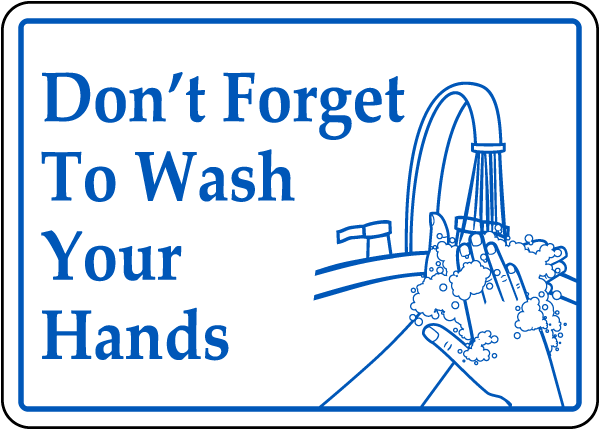
A quick rinse is not sufficient. Wash for at least 20 seconds, covering all surfaces including between fingers and around nails. Then apply hand disinfectant gel and allow it to dry before touching your kit or tools.
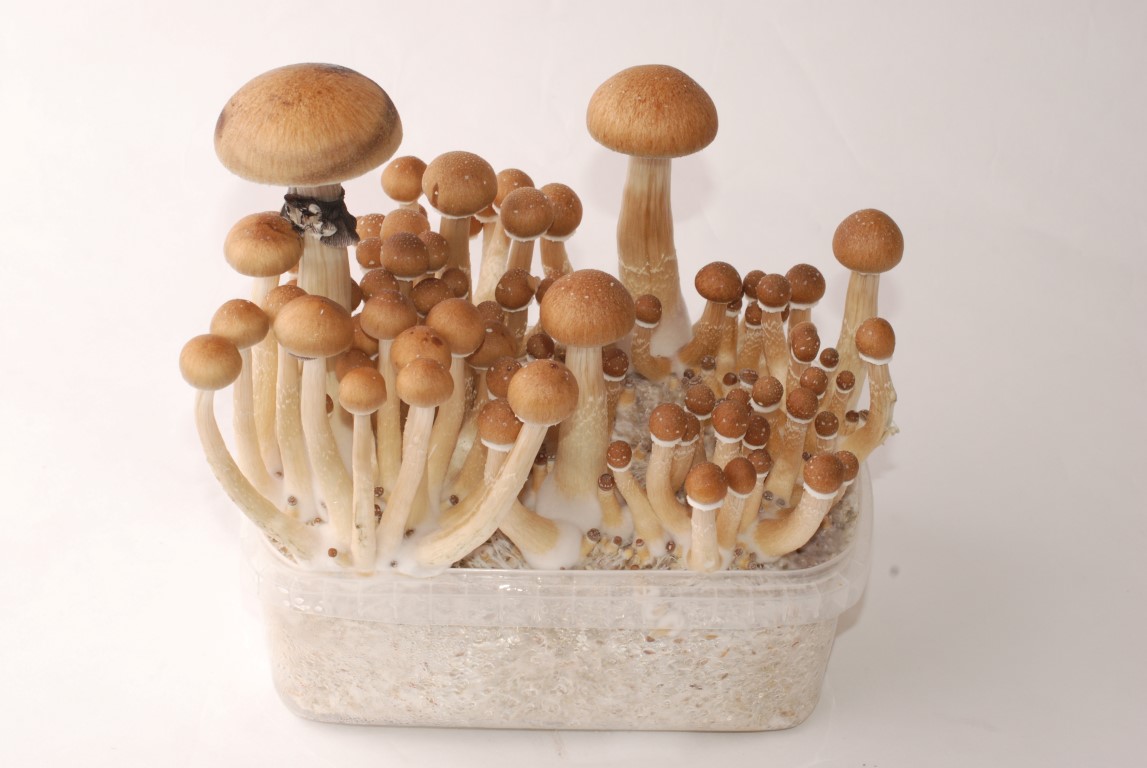
2. Disinfect Your Work Surface
Your kitchen counter, table, or grow shelf is covered with microorganisms even if it looks clean. Before each grow session, spray the surface with a surface disinfectant spray and wipe it down with a clean cloth or paper towel. Allow it to dry briefly before placing your kit or tools on it. This step takes 60 seconds and eliminates one of the most common contamination entry points.
3. Use Sterile or Clean Gloves
Even after washing and disinfecting your hands, handling substrate directly introduces risks. Sterile nitrile gloves provide an additional barrier and are essential when working with open substrates — inoculating grain jars, applying casing layers, or cleaning harvest stumps from a kit. Sterile nitrile gloves are powder-free and do not introduce additional contaminants the way latex gloves sometimes can. Dispose of gloves after each session and never reuse them between kits.
4. Sterilise Your Tools
Any tool that contacts your substrate — spoons, scalpels, tweezers, mixing implements — needs to be sterilised before use. The most effective method is flame sterilisation: heat the metal part of the tool with a butane torch lighter until it glows red, then allow it to cool before use. Alternatively, wipe tools with isopropyl alcohol and allow to dry. Never use a tool between different kits or substrates without re-sterilising. Cross-contamination between a healthy and an infected substrate is one of the fastest ways to lose multiple grows at once.
For more detail on sterilisation methods including pressure cooking and oven sterilisation, see our guide on sterilising cultivation materials.
5. Work in a Clean Environment
Your grow space does not need to be a laboratory, but it should be as clean and still as possible. Avoid working outdoors, near open windows, or in dusty rooms. Airborne spores and dust particles are constant sources of contamination, and they are present in higher concentrations outdoors, near pets, near houseplants, and in rooms that are not regularly cleaned.
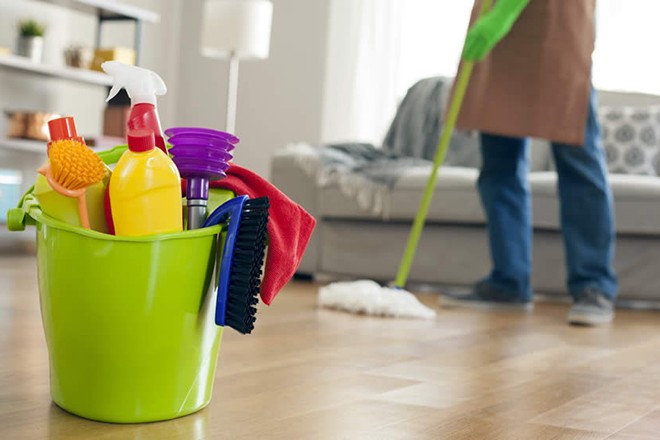
Dedicated hobbyist cultivators often work in a bathroom after a hot shower — the steam settles airborne particles and temporarily reduces their concentration. For advanced cultivation work such as agar plates or liquid culture preparation, a still air box (a clear storage box with arm holes cut into the sides) provides a significant reduction in airborne contamination risk. For more on still air boxes and advanced sterilisation techniques, our pressure cooker guide covers the related equipment and methods.
6. Never Touch the Mycelium Directly if You Can Avoid It
During routine misting, fanning, and monitoring, try not to touch the substrate surface. Use tools when adjustment is needed. Even disinfected hands and gloves represent a risk when in direct contact with the mycelium's growing surface — the less contact, the lower the risk. Handle the bag, not the block. When you do need to handle the kit directly — at harvest time or when cleaning — follow all the steps above first.
Hygiene Between Flushes
The period between flushes — after harvesting and before the next flush — is one of the highest-risk moments in the grow cycle. The substrate surface has been disturbed, stumps have been left (or removed), and the block is being rehydrated. Each of these activities increases contamination risk if handled carelessly.
After harvesting, clean the surface thoroughly with clean, gloved hands. Remove every stump and abort. If you see any discolouration that looks like contamination beginning, use a clean implement to remove the affected area immediately. After soaking and draining, inspect the block again before placing it back in the grow bag. A few minutes of careful inspection at this stage can save the entire second flush.
Between sessions, store your grow bag sealed and away from direct sunlight, soil, houseplants, and other sources of spores or bacteria. If you have multiple kits running simultaneously, keep them separated to prevent cross-contamination in the event one becomes infected.
Recommended Hygiene Products for Magic Mushroom Cultivation
| Product | Use |
|---|---|
| Hand Disinfectant Gel | Apply to hands after washing, before handling any kit or substrate |
| Surface Disinfectant Spray | Wipe down work surfaces, grow bag exteriors, and storage surfaces |
| Sterile Nitrile Gloves | Use when directly handling substrate, inoculating, or harvesting |
| Butane Torch Lighter | Flame-sterilise metal tools before each use |
A Note on Grow Kits vs. Advanced Cultivation
If you are using a ready-made grow kit, the substrate has already been sterilised and the mycelium is already growing — the hardest contamination-prevention work has been done for you. Your job is to avoid introducing new contaminants during the fruiting phase. This makes grow kit hygiene relatively straightforward compared to the much more demanding sterility required when preparing substrate from scratch for PF Tek or bulk grows.
With PF Tek, you are working with raw grains and flour that need to be fully sterilised before inoculation, and then inoculated in conditions as close to sterile as possible. Even a small contamination at this stage can ruin an entire batch of jars. Our PF Tek guide covers all the sterilisation steps in detail. As a first step, however, mastering hygiene on a basic grow kit is the best training you can give yourself before moving to more advanced methods.
The Mindset: Clean Habits Beat Clever Fixes
Experienced growers do not spend more time on hygiene than beginners — they just do it automatically. After a few grows, washing your hands, spraying the work surface, and putting on gloves becomes as natural as brushing your teeth. The growers who struggle most with contamination are not those who are unlucky — they are those who skip steps when they are in a hurry, or who assume that one lapse will not matter.
Hygienic precautions when growing magic mushrooms are not complicated. However, they do require consistency. A single unclean interaction with a healthy kit can undo weeks of careful work. Because of this, building the habit early — before you have experienced a contamination loss — is the most efficient approach. The good news is that once the habits are in place, they require almost no extra thought or time.
Stock up on hygiene essentials: hand gel, surface spray, nitrile gloves, and butane torch — all available at Magic-Mushrooms-Shop.com.
Note: If you are suffering from a mental illness and are curious about using psilocybin or any other psychedelic therapy, please consult one of the relevant medical authorities first. Do not self-prescribe — it is vital to have the right support and guidance when using psychedelics as medicine.


May 9, 2018