Votre panier est vide.
Gabor Maté : le médecin qui a changé notre regard sur le trauma et les psychédéliques (mise à jour 2026)
Publié sous: Histoire & Pionniers
Gabor Maté : le médecin qui a changé notre regard sur le trauma et les psychédéliques (mise à jour 2026)
Portraits psychédéliques · 8 min de lecture
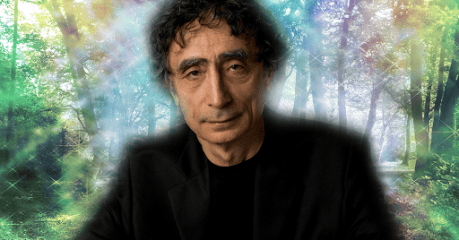
Rares sont les voix de la médecine moderne aussi claires, et aussi dérangeantes, que celle de Gabor Maté. Médecin pendant plus de dix ans en première ligne de la médecine des addictions à Vancouver, il a vu des milliers de patients lutter, non pas par manque de volonté, mais parce qu'ils portaient des blessures que personne ne les avait aidés à soigner. Sa conclusion est simple, mais radicale : l'addiction n'est pas un choix. C'est une réponse à la souffrance. Cette intuition l'a conduit peu à peu vers la recherche et le plaidoyer sur les psychédéliques selon Gabor Maté, et au cœur de la renaissance thérapeutique actuelle.
Dans ce portrait : Qui est Gabor Maté, et pourquoi son travail sur le trauma compte-t-il pour la thérapie assistée par psychédéliques ? On revient sur son enfance, sa carrière médicale dans le Downtown Eastside de Vancouver, sa théorie du trauma à l'origine des addictions, ses expériences personnelles avec l'ayahuasca, son documentaire phare et son influence sur le domaine en 2026.
Ce texte fait partie d'une série de portraits psychédéliques que nous publions ici, sur Magic Mushrooms Shop. Chaque article se penche sur une figure clé dont les idées ont façonné notre compréhension des plantes médicinales et de la conscience.
Une enfance marquée par le trauma
Gabor Maté est né le 6 janvier 1944 à Budapest, en Hongrie. Il est venu au monde pendant l'occupation nazie, et ses premières semaines de vie ont été marquées par la peur. À seulement deux mois, sa mère a demandé à une inconnue de l'emmener à travers les rues : elle craignait que les soldats ne s'en prennent aux mères juives avec leurs bébés. Il a survécu, mais son attachement précoce a été perturbé. Cette expérience de séparation précoce deviendrait plus tard centrale dans son travail théorique.
Sa famille a émigré au Canada, et Maté a grandi à Vancouver. Il a fait ses études de médecine, travaillé de nombreuses années comme médecin de famille et développé un intérêt croissant pour le lien entre le corps et l'esprit. C'est pourtant son travail dans le Downtown Eastside qui a vraiment défini sa carrière et sa pensée.
Douze ans dans le Downtown Eastside
Pendant plus de douze ans, Maté a exercé comme médecin à la clinique de la Portland Hotel Society, dans le Downtown Eastside de Vancouver, un quartier qui concentre l'une des plus fortes proportions de toxicomanie, de sans-abrisme et de maladies mentales du Canada. Il y soignait des patients atteints du VIH, de l'hépatite C, d'addictions sévères et d'histoires de trauma complexe. Jour après jour, il observait le même schéma : les personnes qui consommaient des drogues n'étaient ni faibles ni brisées par choix. Elles s'automédiquaient pour calmer une douleur, une douleur émotionnelle enracinée dans l'enfance.
Cette expérience l'a conduit à écrire son livre de référence, In the Realm of Hungry Ghosts: Close Encounters with Addiction (2008). Il y soutient que les traitements classiques de l'addiction échouent parce qu'ils se concentrent sur la substance plutôt que sur la souffrance qui se cache derrière. Des recherches publiées dans Frontiers in Psychiatry ont depuis confirmé que les expériences négatives vécues pendant l'enfance sont étroitement liées aux troubles liés à l'usage de substances tout au long de la vie, ce qui appuie ce que Maté observait en clinique depuis des années.
Son approche remettait en cause le discours dominant de la « guerre contre la drogue ». L'addiction, insistait-il, n'est pas une faute morale. C'est la réponse du cerveau à un trauma précoce non résolu. Cette vision était controversée quand il l'a proposée pour la première fois, mais elle est devenue de plus en plus courante en médecine des addictions et dans notre compréhension de la façon dont l'esprit traite la douleur.
La théorie : le trauma, racine de l'addiction
Au cœur du travail de Maté se trouve une idée en apparence très simple : nous sommes façonnés par notre environnement, surtout dans la petite enfance. Le cerveau ne se développe pas en vase clos. Il se développe dans la relation : avec les personnes qui s'occupent de nous, avec la sécurité, avec la présence ou l'absence d'amour. Quand ces conditions précoces sont effrayantes, négligentes ou imprévisibles, le cerveau en développement s'adapte d'une manière qui peut créer des vulnérabilités pour toute la vie.
Pour Maté, l'addiction n'est donc pas d'abord une affaire de gènes ou de mauvais choix. C'est une tentative de résoudre le problème de la douleur émotionnelle. Les substances, ou tout comportement compulsif, apportent un soulagement temporaire face à des émotions qui n'ont jamais été traitées. La question qu'il posait toujours à ses patients n'était pas « Pourquoi l'addiction ? » mais « Pourquoi la douleur ? »
Ce cadre de pensée a eu une énorme influence, pas seulement en médecine des addictions, mais aussi dans le domaine émergent de la thérapie assistée par psychédéliques. Car si le trauma est à l'origine de tant de souffrances, alors les thérapies qui aident à accéder au matériel émotionnel enfoui et à le traiter, comme la psilocybine et d'autres psychédéliques semblent le faire, deviennent particulièrement pertinentes. C'est précisément cette intuition qui a amené Maté vers les psychédéliques et la guérison cérémonielle.
Gabor Maté et les psychédéliques : l'ayahuasca et la question de la guérison
Au milieu des années 2000, Maté a vécu sa première expérience avec l'ayahuasca, cette puissante plante médicinale amazonienne préparée à partir de la liane Banisteriopsis caapi et d'autres plantes. D'après son propre récit, l'expérience a été transformatrice. Il a senti que la plante lui permettait d'accéder à des couches de mémoire émotionnelle et de contenu inconscient que la thérapie classique n'avait pas atteintes. Il a vu directement comment ses propres blessures d'enfance avaient façonné sa vie d'adulte.
Cette expérience personnelle l'a convaincu que l'ayahuasca et d'autres psychédéliques pouvaient offrir une véritable voie thérapeutique à celles et ceux qui portent un trauma profond. Il a ensuite collaboré avec un chaman péruvien pour animer des séances cérémonielles à Vancouver, destinées à des patients en lutte contre l'addiction. Il ne s'agissait pas d'événements récréatifs. C'étaient des cérémonies de guérison structurées et accompagnées, destinées à aider les participants à rencontrer et à traiter leur douleur dans un cadre contenant et intentionnel.
Ce travail a placé Maté sur un terrain juridique délicat. Santé Canada a examiné ses activités de près, et il a dû arrêter les cérémonies. Cette expérience a toutefois renforcé sa conviction quant au potentiel de la thérapie par les psychédéliques selon Gabor Maté. Il a beaucoup parlé et écrit sur la nécessité d'un cadre sûr et encadré dans lequel les plantes médicinales peuvent être utilisées à des fins thérapeutiques, non pas comme une solution miracle, mais comme un catalyseur du travail émotionnel plus profond qu'exige la guérison d'un trauma. Ses points de vue rejoignent de près ce que beaucoup de chercheurs du domaine de la thérapie assistée par la psilocybine constatent aujourd'hui dans les essais cliniques.
Comme il l'a dit publiquement, l'intérêt des psychédéliques dans ce contexte n'est pas qu'ils guérissent les gens automatiquement. Ils peuvent plutôt créer un état d'ouverture temporaire, une fenêtre dans laquelle le matériel enfoui devient accessible et où la relation thérapeutique peut faire son travail le plus important. Cette vision nuancée des psychédéliques selon Gabor Maté a contribué à façonner la manière dont de nombreux praticiens envisagent aujourd'hui le set, le setting et l'intégration.
Ses livres : un faisceau de preuves
Maté a écrit quatre grands livres, chacun abordant une dimension différente du lien entre le trauma, le corps et l'esprit.
Scattered Minds: The Origins and Healing of Attention Deficit Disorder (1999) s'appuie sur son propre diagnostic de TDAH pour soutenir que ce trouble s'enracine dans l'environnement développemental précoce, et pas uniquement dans la génétique.
When the Body Says No: The Cost of Hidden Stress (2003) explore le lien entre le refoulement émotionnel et la maladie physique, un thème qui traversera tous ses travaux suivants.
In the Realm of Hungry Ghosts: Close Encounters with Addiction (2008) reste son livre sur l'addiction le plus lu. Il associe des études de cas cliniques du Downtown Eastside à un cadre bienveillant et informé par le trauma pour comprendre pourquoi les gens deviennent dépendants à des substances.
The Myth of Normal: Trauma, Illness, and Healing in a Toxic Culture (2022), coécrit avec son fils Daniel Maté, est son œuvre la plus ambitieuse. Il y soutient que le trauma n'est pas l'exception dans la société moderne, mais la norme. Le livre est devenu un best-seller et a fait connaître ses idées à un public bien plus large, y compris à beaucoup de personnes qui découvrent le microdosing ou la thérapie psychédélique.
The Wisdom of Trauma : un documentaire pour le grand public
En 2021, Maté a collaboré avec la réalisatrice Zaya Benazzo pour créer The Wisdom of Trauma, un documentaire de long métrage qui a porté ses idées auprès d'un public mondial. Le film mêle l'expérience clinique de Maté, son histoire personnelle et des échanges avec des chercheurs et des patients sur le trauma, l'addiction et la guérison.
Le documentaire s'est accompagné d'un sommet en ligne mondial qui a attiré des centaines de milliers de spectateurs. Pour beaucoup, ce fut la première rencontre non seulement avec le travail de Maté, mais aussi avec l'idée plus large que la souffrance émotionnelle, quand elle n'est pas reconnue, alimente une grande partie des souffrances de nos sociétés modernes. Le film aborde aussi le rôle des psychédéliques selon Gabor Maté dans la guérison, en replaçant les plantes médicinales dans un cadre plus large de soins bienveillants et informés par le trauma.
La portée de The Wisdom of Trauma a contribué à faire évoluer le débat public de façon importante. Le film a montré, de manière accessible et touchante, que la question à se poser sur l'addiction, la maladie mentale et la maladie n'est pas « Qu'est-ce qui ne va pas chez cette personne ? » mais « Qu'est-ce qui est arrivé à cette personne ? » Ce changement de perspective résonne profondément avec la philosophie de l'usage cérémoniel des psychédéliques et de la pratique thérapeutique.
Gabor Maté et les psychédéliques : son influence sur la renaissance thérapeutique
Le lien entre le cadre du trauma de Maté et la thérapie assistée par psychédéliques n'a rien de fortuit. Beaucoup de chercheurs et de thérapeutes qui travaillent aujourd'hui avec la psilocybine, la MDMA et la kétamine citent son travail comme fondateur. Son insistance sur le fait que guérir suppose d'accéder aux racines émotionnelles de la souffrance, et pas seulement de gérer les symptômes, correspond naturellement au fonctionnement de la thérapie psychédélique en pratique.
Utilisés avec un accompagnement adapté, les psychédéliques peuvent relâcher temporairement les défenses psychologiques qui maintiennent le matériel traumatique enfoui. Ils peuvent créer le type d'ouverture émotionnelle que Maté décrit comme essentiel à une vraie guérison. C'est pourquoi son nom revient si souvent dans les discussions sur les cadres thérapeutiques du travail avec les psychédéliques. Ses idées sur l'importance de l'intégration, c'est-à-dire le processus qui consiste à donner du sens aux expériences difficiles après coup, sont particulièrement pertinentes. Sans ce travail de réflexion, les prises de conscience qui surgissent pendant une séance peuvent s'estomper ou devenir accablantes. Avec lui, elles peuvent être vraiment transformatrices.
Tu peux en savoir plus sur le contexte des traditions de plantes médicinales dans notre article sur le chamanisme et les champignons magiques, ou explorer l'histoire plus large des figures psychédéliques dans nos portraits d'Albert Hofmann et de Timothy Leary et Ram Dass.
Son héritage et son influence en 2026
Aujourd'hui au début de la quatre-vingtaine, Gabor Maté continue de voyager, de donner des conférences et d'écrire. Il reste l'une des voix les plus recherchées dans les discussions sur le trauma, l'addiction et la science émergente de la thérapie assistée par psychédéliques. Son site, drgabormate.com, est un point de ralliement pour ses travaux en cours sur le trauma, la parentalité et la guérison.
Son influence sur la renaissance psychédélique est considérable. Le cadre qu'il a mis des décennies à construire, selon lequel le trauma sous-tend l'addiction et une grande partie de la souffrance humaine, et la guérison passe par l'accès à ce trauma et son traitement, est devenu une pierre angulaire de l'approche de nombreux cliniciens en thérapie assistée par psychédéliques. L'accent mis sur la sécurité psychologique, la relation thérapeutique et l'intégration après la séance, qui caractérise aujourd'hui les meilleures pratiques de thérapie psychédélique, doit beaucoup à l'influence de Maté.
De plus, son engagement personnel auprès des psychédéliques selon Gabor Maté, à savoir ses expériences d'ayahuasca, son travail cérémoniel et son plaidoyer pour la thérapie par les plantes médicinales, a encouragé de nombreux médecins et cliniciens à prendre ces sujets au sérieux. Sa voix reste l'une des plus apaisantes du domaine.
Si tu t'intéresses à la guérison psychédélique, nos articles sur comment te préparer à une expérience avec des champignons et sur comment traverser les expériences difficiles te donneront des conseils pratiques. Notre portrait de María Sabina raconte l'histoire de la guérisseuse mazatèque dont le travail avec les champignons à psilocybine a attiré l'attention du monde sur les plantes médicinales, des décennies avant l'essor actuel de la recherche.
L'héritage de Gabor Maté s'écrit encore. Son insistance sur la compassion, sur le regard porté au-delà de la surface de la souffrance, et sur le sérieux avec lequel il considère le potentiel des psychédéliques selon Gabor Maté comme outils de guérison, a contribué à ouvrir une porte qui ne se refermera pas de sitôt.
Envie d'explorer la guérison psychédélique ? Découvre nos truffes magiques et nos
, et aborde toujours l'expérience avec intention et bienveillance.
À noter : Si tu souffres d'une maladie mentale et que tu t'intéresses à la psilocybine ou à toute autre thérapie psychédélique, consulte d'abord un professionnel de santé compétent. Ne t'automédique pas : il est essentiel d'être bien entouré(e) et accompagné(e) quand on utilise des psychédéliques comme médicament.


Mars 23, 2026