
Votre panier est vide.

Conseils pour ton kit de culture FreshMushrooms : trempage, brumisation, aération et deuxième récolte (mise à jour 2026)
Publié sous: Culture & Cultivation
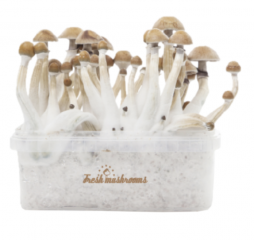
Nos conseils d'expert pour tirer le meilleur de ton kit de culture FreshMushrooms — trempage, brumisation, aération (FAE), température et deuxième récolte (mise à jour 2026)
Les kits de culture FreshMushrooms sont réputés pour leur rapidité et leur simplicité d'utilisation. Mais même avec un kit facile, un peu d'attention supplémentaire fait la différence. Connaître les bons conseils pour ton kit de culture FreshMushrooms — du trempage initial aux conditions entre deux récoltes — peut faire la différence entre une seule récolte moyenne et plusieurs belles poussées. Ce guide répond aux questions que se posent le plus souvent les cultivateurs après leur première expérience avec un kit FreshMushrooms.
Dans ce guide : des conseils pratiques pour ton kit de culture FreshMushrooms sur le trempage, la fréquence de brumisation, l'aération (renouvellement d'air frais), la gestion de la température, la récolte au bon moment et l'obtention d'une deuxième poussée généreuse.
Ces conseils s'appliquent à toute la gamme de kits FreshMushrooms 100 % mycélium disponible sur Magic-Mushrooms-Shop.com.
Ce qui distingue les kits FreshMushrooms
Les kits FreshMushrooms contiennent 100 % de mycélium colonisé — pas de substrat en vrac à mélanger ou à préparer. Le bloc entier est prêt à fructifier dès la sortie du sachet. C'est idéal pour les débutants, mais ça signifie aussi que le mycélium est déjà bien mature quand tu reçois ton kit. Résultat : il peut réagir plus vite que prévu, et la moindre faille dans l'environnement — air trop sec, trop chaud, pas assez d'air frais — se verra en un jour ou deux.
En comprenant ça, tu gardes une longueur d'avance au lieu de réagir quand les problèmes sont déjà là.
Conseils pour ton kit FreshMushrooms : le trempage
Le premier conseil, et le plus important : fais tremper le bloc de substrat avant ta première culture, puis à nouveau entre chaque poussée. Le mycélium a besoin d'une bonne hydratation pour bien fructifier, et le transport et le stockage peuvent légèrement dessécher la surface, même dans un emballage scellé.
Comment faire tremper le kit avant la première poussée
Ouvre le carton extérieur et sors le sachet de culture contenant le bloc de substrat. N'ouvre pas encore le sachet. Remplis-le d'eau propre à température ambiante — assez pour immerger ou bien mouiller toute la surface du dessus du bloc. Replie le sachet sans le serrer et laisse tremper 8 à 12 heures, ou toute la nuit. Après le trempage, vide complètement l'excès d'eau du sachet. Le bloc doit te sembler plus lourd et légèrement gonflé. Tu peux maintenant installer ton environnement de fructification.
Astuce : utilise de l'eau du robinet propre ou de l'eau filtrée à température ambiante (environ 20 °C). L'eau froide du frigo peut ralentir le mycélium et retarder la formation des primordia. De l'eau bouillie puis refroidie fonctionne très bien aussi.
Le trempage entre deux poussées
Après ta première récolte, le bloc a perdu beaucoup d'humidité. Il est indispensable de le réhydrater avant la poussée suivante. Sors le bloc du sachet de culture, place-le dans un récipient propre et immerge-le dans de l'eau froide pendant 12 heures. Certains cultivateurs préfèrent simplement remplir le sachet d'eau et faire tremper le bloc directement dedans — les deux méthodes fonctionnent. Après le trempage, égoutte bien et remets le bloc dans le sachet pour le cycle de fructification suivant. Pour ce deuxième trempage, tu peux utiliser de l'eau froide : un bref choc thermique peut même stimuler la formation des primordia.
Brumisation : à quelle fréquence et en quelle quantité
La brumisation maintient une humidité élevée dans le sachet de culture et empêche la surface du bloc de se dessécher entre l'apparition des primordia. Mais brumiser trop est une erreur courante : l'eau stagne, des bactéries s'installent et les champignons deviennent mous et déformés.
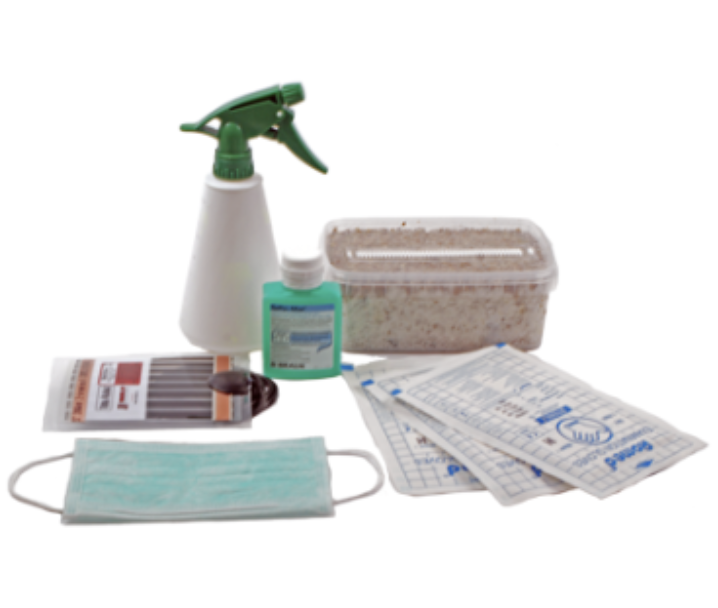
Avec les kits FreshMushrooms, la bonne méthode consiste à brumiser légèrement une à deux fois par jour. Utilise un vaporisateur propre réglé sur brume fine — dirige le jet vers les parois intérieures du sachet plutôt que directement sur la surface du bloc. Ça augmente l'humidité sans saturer le substrat. Après la brumisation, laisse l'excès d'humidité se déposer un instant avant de refermer le sachet.
Tu peux aussi brumiser légèrement la surface du bloc lui-même, mais avec parcimonie. Une surface humide, c'est parfait ; une surface détrempée qui goutte, non. Si tu constates de l'eau qui stagne au fond du sachet, vide-la et brumise moins souvent.
Aération (FAE) : le facteur le plus souvent négligé
Beaucoup de cultivateurs débutants se concentrent sur la température et la brumisation, mais oublient le renouvellement d'air frais (FAE, pour « fresh air exchange »). C'est pourtant l'un des conseils les plus importants pour ton kit FreshMushrooms : les champignons ont besoin d'air frais. En poussant, ils produisent du CO₂. Si le CO₂ s'accumule dans le sachet fermé, les champignons développent des pieds longs et fins et de petits chapeaux pâles — on parle de « pieds étiolés » (leggy growth), signe d'un stress dû au CO₂.
La solution est simple. Quand tu brumises le kit, ouvre le haut du sachet pendant 10 à 15 secondes et évente doucement avec le sachet lui-même ou avec ta main avant de le refermer. Fais-le au moins une fois par jour, deux si possible. Ce bref renouvellement d'air suffit à maîtriser le taux de CO₂ et favorise un développement normal des chapeaux et des pieds. Pour en savoir plus sur le lien entre air et développement des champignons, notre article sur la lumière et l'air pour les kits de culture traite ces deux variables ensemble.
Astuce : le pli en haut du sachet de culture n'est pas une fermeture hermétique — il laisse passer un peu d'air de façon passive. Mais éventer activement pendant la brumisation change nettement la formation des pieds et des chapeaux.
Température : rester dans la zone idéale
La température est la variable la plus constante en culture de champignons, et les kits FreshMushrooms ne font pas exception. La plupart des souches de cubensis fructifient le mieux entre 23 °C et 26 °C. En dessous de 20 °C, le mycélium ralentit nettement et les primordia peuvent mettre beaucoup plus de temps à se former, voire ne pas apparaître du tout. Au-dessus de 28 °C, le risque de contamination augmente et le mycélium peut être stressé.
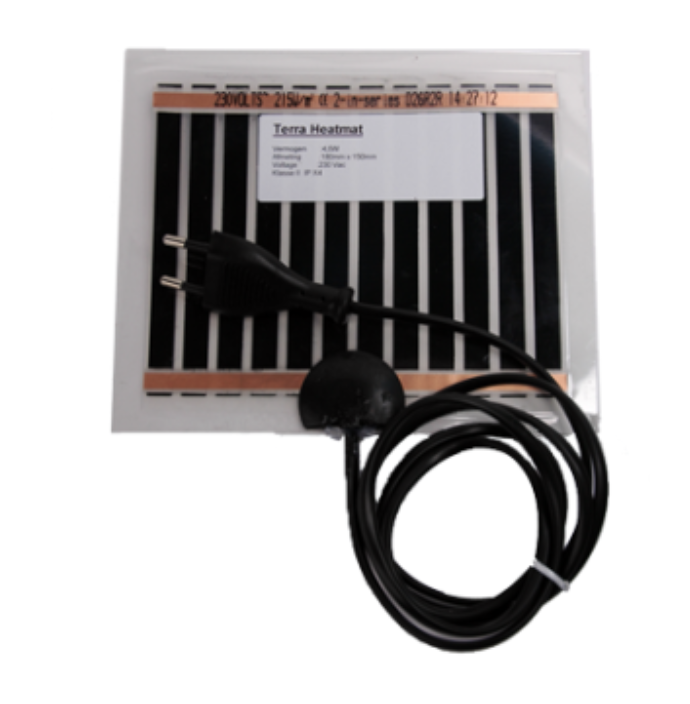
Au printemps et en été, la plupart des logements en France et en Europe se situent dans la bonne plage. En hiver, tu peux avoir besoin d'un tapis chauffant pour amener le kit à la bonne température. Notre guide sur la meilleure température pour cultiver des champignons magiques explique toute la plage et la réaction des différentes souches. Si tu utilises un tapis chauffant, consulte aussi notre article sur comment utiliser un tapis chauffant sans abîmer ton kit.
Évite de placer le kit près d'une fenêtre où le soleil direct pourrait faire surchauffer le sachet très rapidement. Une lumière naturelle indirecte ou un éclairage de pièce classique suffit pour s'orienter — les champignons n'ont pas besoin d'une lumière intense pour pousser.
Formation des primordia : à quoi s'attendre et comment l'encourager
Une fois le kit installé et le premier trempage égoutté, les primordia (ces minuscules nodules blancs qui deviendront des champignons) apparaissent généralement en 5 à 14 jours selon la température et la souche. Avec les kits FreshMushrooms, les premiers primordia se montrent souvent assez vite par rapport à d'autres marques, car le mycélium est déjà entièrement colonisé et mature.
Si aucun primordium n'apparaît après 14 jours, pas de panique. Vérifie d'abord la température. Si le kit est en dessous de 20 °C, la priorité est de le réchauffer. Ensuite, tente un choc thermique : place le kit au réfrigérateur à environ 4 °C pendant 12 heures, puis remets-le à température ambiante. Cette baisse de température imite un changement de saison naturel et peut relancer un kit qui stagne. Enfin, revois ta routine d'aération — un manque d'air frais est une cause très fréquente de retard ou d'absence de primordia.
Récolte : bon moment et bonne technique pour les kits FreshMushrooms
Les principes de récolte pour les kits FreshMushrooms sont les mêmes que pour toute culture de cubensis. Cueille juste avant ou au moment où le voile — la membrane qui relie le bord du chapeau au pied — commence à se déchirer. Les chapeaux doivent encore être en forme de dôme, pas complètement ouverts et plats. Pour un tutoriel complet sur la technique de cueillette, consulte notre guide sur comment récolter les champignons magiques de ton kit de culture.
Un conseil spécifique aux kits FreshMushrooms pour la récolte : comme ces kits produisent souvent de gros bouquets denses, on peut être tenté de cueillir les champignons un par un au fur et à mesure qu'ils mûrissent. En pratique, il vaut généralement mieux attendre que la majorité du bouquet soit prête et récolter tout le groupe d'un coup. Perturber sans cesse un bouquet pour cueillir des champignons isolés peut abîmer les primordia voisins et exposer inutilement la surface du substrat.
Réussir sa deuxième poussée
La deuxième poussée est souvent la plus généreuse avec un kit FreshMushrooms, à condition que le bloc soit correctement réhydraté. Après ta première récolte, suis ces étapes pour préparer la poussée numéro deux.
1
Nettoie la surface
Nettoie la surface
Retire tous les moignons de champignons et les éventuels avortons avec des mains propres ou un outil propre. Laisser des moignons en place est la raison la plus courante des deuxièmes poussées décevantes — la matière organique qui pourrit attire les contaminations. Pour savoir comment éviter les contaminations, consulte notre article sur la contamination des kits de culture de champignons magiques.
2
Fais tremper 12 heures
Fais tremper 12 heures
Comme décrit dans la section sur le trempage plus haut, réhydrate complètement le bloc. Pour ce deuxième trempage, tu peux utiliser de l'eau froide, car l'effet de choc thermique accélère souvent l'apparition des primordia au cycle suivant. Après l'égouttage, remets le bloc dans le sachet de culture avec le haut replié sans serrer.
3
Reprends les soins habituels
Reprends les soins habituels
Remets le kit à son emplacement de fructification. Continue ta routine de brumisation et d'aération comme avant. Les primordia de la deuxième poussée apparaissent généralement 5 à 10 jours après le trempage de réhydratation.
4
Recommence pour les poussées suivantes
Recommence pour les poussées suivantes
Le même processus — nettoyer, tremper, égoutter, fructifier — peut être répété pour une troisième et une quatrième poussée. La productivité diminue peu à peu à chaque cycle à mesure que le substrat s'épuise, mais de nombreux cultivateurs obtiennent trois belles récoltes ou plus avec un seul kit FreshMushrooms.
Tableau récapitulatif rapide
| Durée du trempage (premier) | 8 à 12 heures, eau à température ambiante |
| Trempage entre deux poussées | 12 heures, eau froide (effet de choc thermique) |
| Fréquence de brumisation | 1 à 2 fois par jour, légèrement sur les parois du sachet |
| FAE (aération) | Éventer 10 à 15 secondes à chaque brumisation |
| Température de fructification | 23–26 °C |
| Délai habituel avant les premiers primordia | 5 à 14 jours après l'installation |
| Signal de récolte | Voile intact, chapeaux encore en forme de dôme |
Envie d'essayer un kit FreshMushrooms ? Découvre toute la gamme sur
et trouve la souche qui te correspond.
Remarque : si tu souffres d'une maladie mentale et que tu es curieux de la psilocybine ou de toute autre thérapie psychédélique, consulte d'abord les autorités médicales compétentes. Ne t'automédique pas — il est essentiel de bénéficier d'un accompagnement et d'un soutien adaptés lorsque tu utilises des psychédéliques comme médicament.


Mars 12, 2022