
O seu carrinho de compras está vazio

What Science Says About Functional Mushroom Supplements and Immune Health
Posted under: Medicinal & Functional Mushrooms
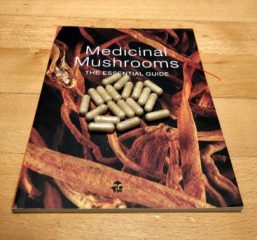
What science says about functional mushroom supplements and immune-related research — beta-glucans, turkey tail, reishi, chaga, and more (2026 Update)
The immune system is complex, dynamic, and affected by almost everything — sleep, stress, nutrition, exercise, and age. It is not something you can simply optimise with a single product. What you can do is make informed choices about nutrition and lifestyle. Functional mushroom supplements are among the most-researched natural food supplements, and scientific interest in their biological compounds continues to grow.
This guide explores what published research says about specific functional mushroom supplements and the compounds they contain. This is not medical advice — it is an educational overview based on what has been studied so far.
In this guide: An educational overview of functional mushroom supplements — including beta-glucans, key species, product quality markers, and practical guidance on choosing and using these products.
We cover turkey tail, reishi, chaga, lion's mane, and cordyceps, with a look at the published research on each.
Why Mushrooms Are of Scientific Interest
One of the main reasons functional mushrooms attract research attention is their high content of beta-glucans — a class of polysaccharides (complex sugars) found in the cell walls of fungi. Beta-glucans are not digestible by humans in the conventional sense, but studies have shown they are recognised by specific receptors on certain immune cells — particularly macrophages, natural killer cells, and dendritic cells. Researchers have investigated whether this interaction influences immune cell activity.
The concept studied in this context is called immunomodulation: the idea that certain compounds may influence the way the immune system responds, rather than simply increasing or decreasing activity. This is an active area of research, and while preclinical and some clinical studies have shown promising results, regulatory authorities have not yet authorised specific health claims for mushroom-derived beta-glucans in the EU.
A 2021 review published in Frontiers in Pharmacology summarised the available evidence on mushroom polysaccharides, noting that beta-glucans from multiple mushroom species have demonstrated immunomodulatory activity in preclinical and clinical research settings.
Turkey Tail: The Most-Studied Species
Among functional mushrooms, turkey tail (Trametes versicolor) has one of the largest bodies of published research. Its two key compounds — PSK (polysaccharide K) and PSP (polysaccharide peptide) — have been the subject of hundreds of studies, primarily conducted in Japan and China.
PSK (marketed in Japan as Krestin) has been used in Japan since the 1980s as part of integrative protocols. Studies conducted in that context investigated its effects alongside conventional treatments. It is important to note that regulatory approval and usage of PSK in Japan does not constitute an authorised health claim in the EU, and these findings should be understood within their original research context.
Turkey tail is widely available as an extract in capsule or powder form. It is one of the most common functional mushroom species used in supplements and grows across most temperate regions of the world.
Reishi: A Traditional Staple in Asian Herbalism
Reishi (Ganoderma lucidum) has been used in traditional Asian medicine for centuries. It contains both polysaccharides (including beta-glucans) and triterpenes (specifically ganoderic acids). Researchers have studied these compounds for their potential biological activities, including their interactions with immune cells and their possible role in the body's response to oxidative stress.
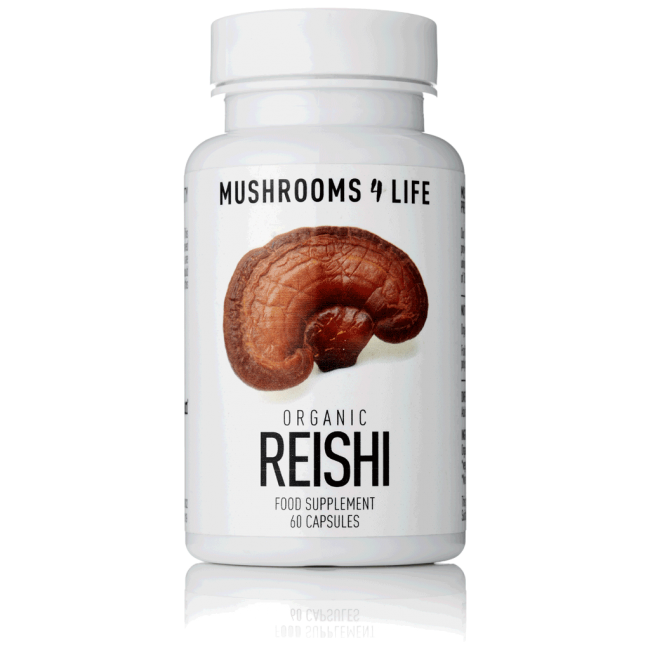
Reishi is also classified as an adaptogen in traditional herbal practice — meaning it has historically been used in the context of stress management. While this traditional use is well-documented, it is important to note that adaptogenic claims are not authorised health claims under EU regulation.
Because reishi's triterpenes are alcohol-soluble and its polysaccharides are water-soluble, a dual-extract product is typically used to capture the full range of compounds. Look for products that clearly state they use dual extraction. You can read more about reishi and other key functional mushroom species in our comprehensive functional mushroom product profile.
Chaga: Rich in Antioxidant Compounds
Chaga (Inonotus obliquus) has been studied for its exceptionally high content of antioxidant compounds — including superoxide dismutase (SOD), melanin, and betulinic acid. Research has investigated the antioxidant capacity of chaga in laboratory settings, and it consistently ranks among the highest of any natural substance tested.
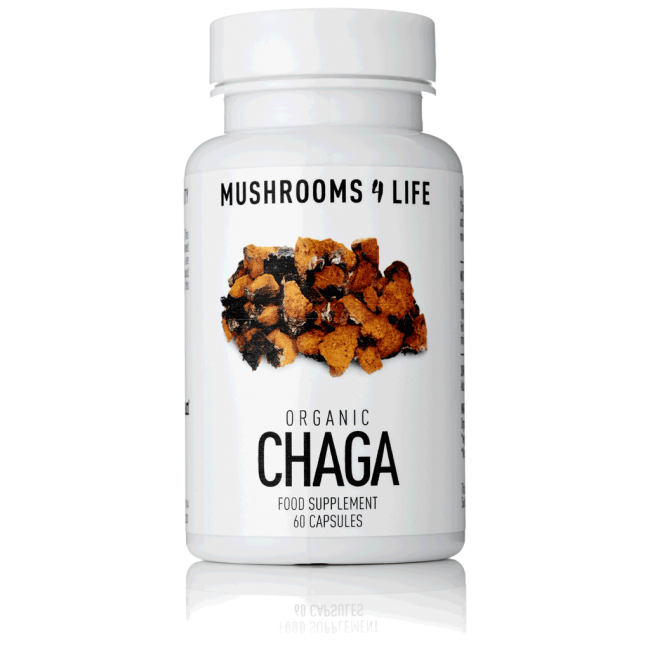
Chaga also contains beta-glucans, which have been studied in the same immunomodulation context as those found in other mushroom species. It is traditionally prepared as a hot water tea or decoction — the long steeping or simmering process is considered important for extracting the compounds of interest. Many commercial chaga products use hot water extraction for this reason.
One caveat: chaga is high in oxalates, and very high consumption over extended periods has been associated with kidney problems in rare cases. Moderate, consistent use — rather than very high amounts — is the sensible approach.
Lion's Mane: Research on the Gut-Immune Axis
Lion's mane (Hericium erinaceus) is perhaps best known for research into its cognitive-related compounds (hericenones and erinacines). However, scientists have also investigated its polysaccharides in the context of gut health. Approximately 70% of immune tissue is located in the gut, associated with what is known as the gut-associated lymphoid tissue (GALT). Lion's mane polysaccharides have been studied as potential prebiotics — compounds that may support the diversity and health of the gut microbiome.
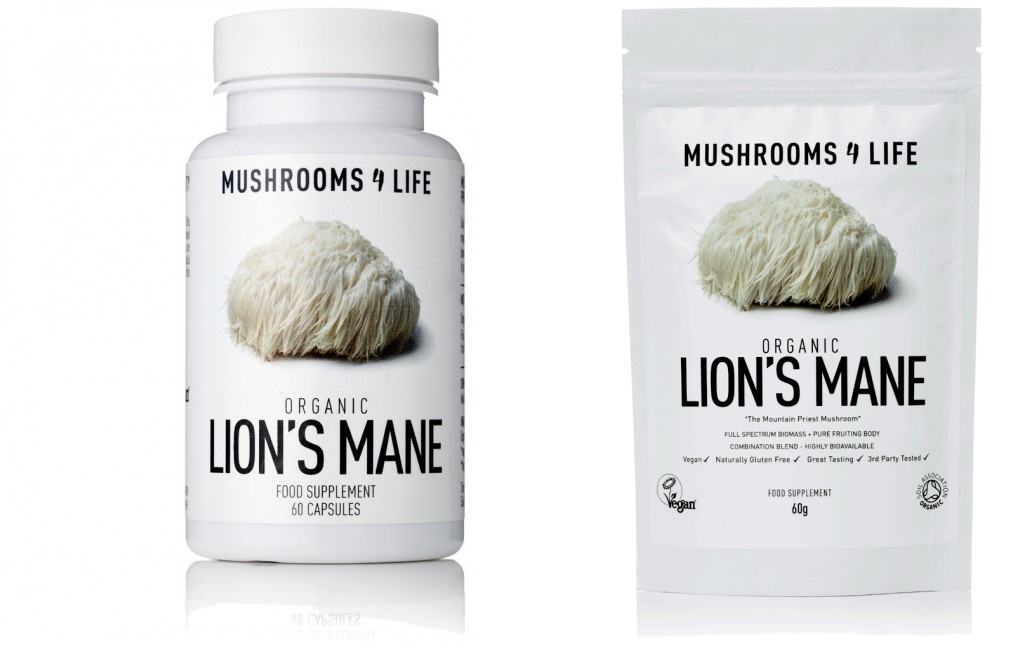
Some preclinical studies have also investigated whether lion's mane extract interacts with certain immune cells, including macrophages and natural killer cells. This is an area of ongoing research, and no specific immune-related health claims have been authorised for lion's mane in the EU.
Cordyceps: Traditionally Used for Energy and Vitality
Cordyceps is often included in functional mushroom blends. Its polysaccharides have been studied in the same beta-glucan research context as other mushroom species. What sets cordyceps apart in the research literature is its content of adenosine and related compounds, which have been investigated for their potential role in cellular energy production and oxygen utilisation.
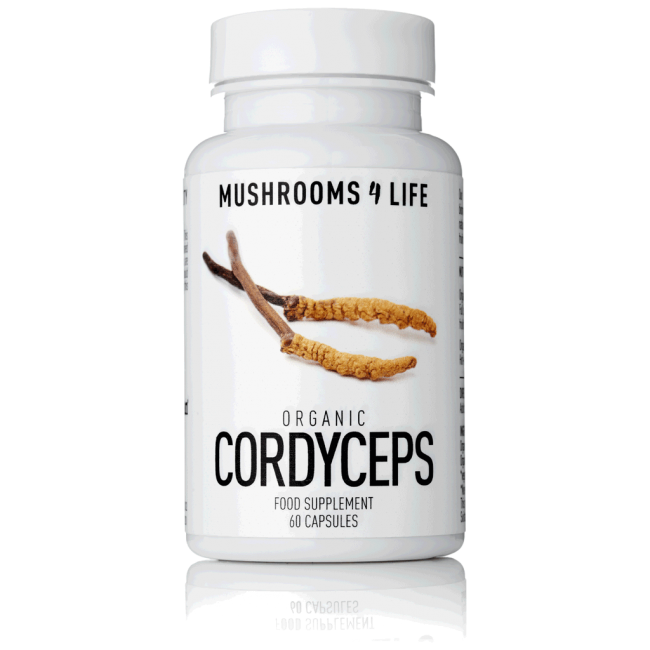
In traditional Chinese medicine, cordyceps has a long history of use during periods of physical exertion and recovery. It is commonly included in multi-mushroom blend products. As with other mushroom species, no specific health claims for cordyceps have been authorised under EU regulation.
How to Choose Quality Functional Mushroom Supplements
The supplement market for functional mushrooms has grown rapidly, and unfortunately quality varies significantly. Several key indicators help you identify well-made products.
| What to Look For | Why It Matters |
|---|---|
| Beta-glucan content specified (not just "polysaccharides") | Total polysaccharides include inactive starches; beta-glucans are the compounds of primary research interest |
| Extraction method stated (hot water, alcohol, or dual) | Different compounds require different extraction; whole mushroom powder alone is much less bioavailable |
| Fruiting body used, not just mycelium | Mycelium-on-grain products contain high starch from the grain substrate and often fewer compounds of interest |
| Third-party testing / COA available | Confirms absence of heavy metals, pesticides, and contamination |
| Clear species identification (Latin name) | Ensures you are getting the species you expect, not a low-quality substitute |
Quick guide: When choosing functional mushroom supplements, look for turkey tail (PSK/PSP content), reishi (dual extract), and chaga (hot water extract). These three species have some of the largest bodies of published research.
Practical Tips for Getting Started
First, choose one or two species rather than trying everything at once. This makes it easier to observe your own experience. Turkey tail is a commonly recommended starting point given its extensive research base. Reishi is a popular second choice, particularly among those interested in its traditional adaptogenic use.
Second, be consistent. Most published studies on functional mushrooms involve daily use over four to twelve weeks. Building supplementation into a morning or evening routine makes consistency easier.
Third, remember that food supplements work best as part of a broader foundation. Good sleep, regular movement, adequate nutrition, and stress management are all fundamental aspects of wellbeing. Functional mushroom supplements are a complement to — not a substitute for — the basics of a healthy lifestyle.
Note: If you are taking immunosuppressant medication or have an autoimmune condition, consult your doctor before starting any new food supplement. Some mushroom compounds have been studied for their interactions with immune cells, which may be relevant in these contexts.
Disclaimer: This product is a food supplement and is not intended to diagnose, treat, cure, or prevent any disease. Food supplements should not be used as a substitute for a varied, balanced diet and a healthy lifestyle. Do not exceed the recommended daily intake. Keep out of reach of young children.
For a broader overview of functional mushroom species — including lion's mane, cordyceps, and more — see our full functional mushroom product profile.
Curious about functional mushrooms? Browse our mushroom products — quality selections from a trusted Amsterdam shop, since 2009.
Note: If you are suffering from a mental illness and are curious about using psilocybin or any other psychedelic therapy, please consult one of the relevant medical authorities first. Do not self-prescribe — it is vital to have the right support and guidance when using psychedelics as medicine.


March 23, 2026