
Votre panier est vide.
Psilocybine en Afrique du Sud : le combat juridique pour un accès thérapeutique
Publié sous: Science & Actus sur la Psilocybine
Actualité juridique · Science psychédélique · Afrique
En 2024, un tribunal sud-africain a jugé que l'interdiction de la psilocybine pour un usage privé par des adultes était inconstitutionnelle. Aujourd'hui, en 2026, avocats et thérapeutes vont encore plus loin : ils réclament un accès légal à la psilocybine en Afrique du Sud à des fins thérapeutiques. Voici ce qui se passe et pourquoi c'est important.
Qu'est-ce que la psilocybine et pourquoi est-elle un enjeu en Afrique du Sud ?
La psilocybine est le composé actif des champignons magiques. Quand tu en consommes, ton cerveau modifie temporairement sa façon de traiter les émotions, les pensées et les souvenirs. Les recherches menées par de grandes universités comme Johns Hopkins et l'Imperial College London montrent que la psilocybine peut aider les personnes souffrant de dépression, de stress post-traumatique (SSPT) et d'addictions.
L'Afrique du Sud traverse une grave crise de santé mentale. Selon le South African Depression and Anxiety Group (SADAG), plus de 40 % des Sud-Africains souffrent d'un trouble mental au cours de leur vie, alors que l'accès aux soins professionnels reste extrêmement limité. C'est précisément pour cela que les défenseurs de la cause estiment que l'accès à la psilocybine en Afrique du Sud devrait être une option légale, et non criminelle.
La décision de la Haute Cour du Gauteng en 2024 : un tournant
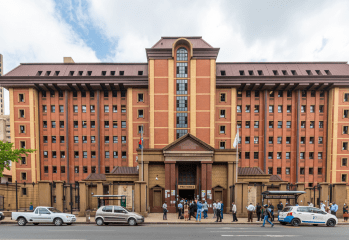
En avril 2024, la journaliste et autrice Melinda Ferguson et la facilitatrice de voyages psychédéliques Monica Cromhout ont obtenu une victoire historique devant la division du Gauteng de la Haute Cour, à Pretoria (affaire n° 2024-040119). Le juge a estimé que les articles de la loi sur les drogues (Drugs Act) et de la loi sur les médicaments (Medicines Act) qui criminalisaient l'usage et la possession privés et non commerciaux de psilocybine par des adultes étaient inconstitutionnels.
La décision a déclaré que ces lois violaient les droits constitutionnels sud-africains à la vie privée, à la dignité et à la liberté de religion et de conviction. En clair : le tribunal a estimé que ce qu'un adulte fait en privé, sans nuire à autrui, est protégé par la Constitution.
Le juge n'a toutefois pas simplement supprimé la loi. La décision :
Tu peux lire le contexte juridique complet sur le site du cabinet Schindlers Attorneys, qui a publié une analyse détaillée de la psilocybine et du droit sud-africain.
Le recours du Cap-Oriental : aller encore plus loin en 2026
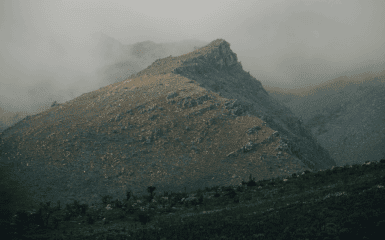
En mars 2026, un avocat de la province du Cap-Oriental, en Afrique du Sud, a annoncé un nouveau recours en justice, cette fois centré sur l'usage thérapeutique des champignons à psilocybine. C'est un cran au-dessus de la décision Cromhout, qui portait sur l'usage privé par des adultes.
Ce nouveau recours a été annoncé lors d'une conférence à Hogsback, un petit village de montagne du Cap-Oriental connu pour ses forêts et ses communautés spirituelles. Les participants y ont entendu que la zone grise juridique actuelle ne suffit pas. Thérapeutes, guides et soignants ne peuvent pas légalement proposer de séances professionnelles de psilocybine, même si l'usage privé est désormais en partie dépénalisé.
C'est une distinction importante. Dépénaliser l'usage personnel ne revient pas à légaliser la thérapie à la psilocybine. Si un facilitateur formé administre de la psilocybine à un patient lors d'une séance encadrée, il commet toujours techniquement un délit selon le droit sud-africain actuel, et risque jusqu'à 25 ans de prison pour distribution commerciale.
Le Cap : là où la thérapie existe déjà dans la clandestinité
Pendant que la bataille juridique se poursuit, la scène thérapeutique clandestine de la psilocybine en Afrique du Sud est déjà très active. Au Cap, de plus en plus de soi-disant chamans, guérisseurs et guides de cérémonie font ouvertement la promotion d'expériences psychédéliques en ligne.
Un documentaire de BBC Africa diffusé en octobre 2025 a plongé au cœur de cette industrie souterraine. Le film a révélé qu'une cérémonie de psilocybine au Cap coûte environ 2 000 USD, et que de nombreux participants disaient avoir vécu une véritable guérison. Mais il a aussi mis en lumière de vrais dangers : aucune supervision, aucun dépistage médical, et des cas où les choses ont très mal tourné.
C'est exactement pour cela que les défenseurs de la cause estiment qu'une réglementation légale est nécessaire. Comme l'a rapporté la BBC en octobre 2025 : « le marché en ligne des soi-disant guérisseurs proposant des expériences sur mesure avec diverses substances illégales est en plein essor ». Une réglementation protégerait à la fois les clients et les facilitateurs.
Tu veux comprendre comment la psilocybine est utilisée dans un cadre cérémoniel et chamanique ? Lis notre guide sur le chamanisme et les champignons magiques.
L'affaire Faulds : une autre voix pour le changement
Shelly-Cathy Faulds, militante du Cap, construit depuis un moment sa propre action en justice, distincte, contre la criminalisation de la psilocybine. Elle fait partie des militants à l'origine de la dépénalisation du cannabis en Afrique du Sud, et applique aujourd'hui la même stratégie à la psilocybine.
Faulds soutient que la psilocybine ne crée pas de dépendance, que son intérêt thérapeutique est documenté scientifiquement, et que son interdiction restreint de manière injustifiée les droits des peuples autochtones et des personnes atteintes de troubles mentaux. Son action vise les ministres de la Justice, de la Santé et de la Police. Tu peux en savoir plus sur sa stratégie juridique sur le site d'Acudetox.
Pourquoi c'est important au-delà de l'Afrique du Sud
La question de la psilocybine en Afrique du Sud s'inscrit dans un mouvement mondial bien plus vaste. Des pays comme la République tchèque, l'Australie et plusieurs États américains ont déjà avancé vers la légalisation ou la dépénalisation de la thérapie à la psilocybine. Ce qui se passe en Afrique du Sud pourrait faire jurisprudence pour le reste du continent africain, où les ressources en santé mentale sont cruellement sous-financées et où les traditions de médecine par les plantes sont profondément ancrées.
L'accélération rapide de la légalisation de la psilocybine aux États-Unis ajoute une pression internationale. Quand le régulateur médical le plus puissant du monde, la FDA, est sur le point d'approuver un médicament à base de psilocybine, il devient plus difficile pour n'importe quel pays de justifier une criminalisation totale. Lis notre aperçu complet du statut légal des champignons à psilocybine dans le monde pour voir comment chaque pays aborde la question.
Que pourrait-il changer d'ici mi-2026 ?
Le délai de 24 mois accordé au Parlement par la Haute Cour du Gauteng a commencé en avril 2024, ce qui signifie que l'échéance tombe en avril 2026. Le Parlement a reçu pour instruction de créer un nouveau cadre réglementaire. Au moment où nous écrivons, aucune loi définitive n'a été publiée. Si le Parlement n'agit pas, les protections provisoires du tribunal pourraient être prolongées, ou un nouveau recours en justice est probable.
Des experts juridiques, dont une analyse détaillée parue dans le South African Journal on Human Rights, estiment que les lois actuelles ne résistent pas à un contrôle de constitutionnalité au regard du droit à la vie privée garanti par l'article 14 de la Constitution sud-africaine.
Tu te demandes comment la psilocybine aide à soigner les traumatismes et la santé mentale ? Découvre les recherches dans notre article sur les psychédéliques et la guérison des traumatismes.
Où en est-on aujourd'hui : un aperçu simple
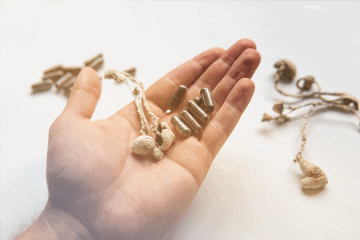 Champignons à psilocybine en Afrique du Sud : le statut légal évolue à mesure que les tribunaux et les militants réclament un accès thérapeutique
| Activité | Statut légal en Afrique du Sud (mars 2026) |
|---|---|
| Usage privé par des adultes | Partiellement dépénalisé : poursuites suspendues en vertu de la décision Cromhout |
| Possession personnelle | La même protection provisoire s'applique |
| Culture personnelle | Incluse dans la protection provisoire |
| Vente / distribution commerciale | Toujours illégale : jusqu'à 25 ans de prison |
| Accompagnement thérapeutique | Toujours illégal : fait l'objet du nouveau recours du Cap-Oriental |
Cet article est fourni à titre informatif uniquement. Les lois changent et sont interprétées différemment selon le contexte. Si tu es en Afrique du Sud et que tu envisages de consommer de la psilocybine, consulte un professionnel du droit qualifié avant d'agir. Magic Mushrooms Shop ne fournit pas de conseils juridiques.
Un mouvement en pleine croissance, aux racines profondes
Ce qui se passe en Afrique du Sud n'est pas seulement une histoire juridique. C'est une histoire de guérison, d'autonomie et du droit de choisir ce que l'on fait de son propre esprit et de son propre corps. Les personnes qui mènent ces combats — Cromhout, Ferguson, Faulds, et maintenant l'avocat du Cap-Oriental — le font parce qu'elles pensent que la psilocybine les a aidées, et qu'elles veulent que d'autres puissent y accéder de façon sûre et légale.
Les données scientifiques sur le profil de sécurité des champignons magiques viennent de plus en plus appuyer leur cause. La psilocybine figure parmi les substances psychoactives les moins nocives dans les études évaluées par des pairs. Le système juridique ne fait que rattraper la science.
Tu veux en savoir plus sur le fonctionnement des champignons magiques et sur ce que dit la recherche ? Explore tout notre blog sur la science psychédélique →


Avril 1, 2026