
Votre panier est vide.

Thérapie à la psilocybine en République tchèque : comment fonctionne la nouvelle loi 2026
Publié sous: Science & Actus sur la Psilocybine

Depuis le 1er janvier 2026, la République tchèque autorise la thérapie à la psilocybine en République tchèque pour les patients souffrant de dépression résistante au traitement. Les psychiatres peuvent désormais prescrire de la psilocybine de synthèse dans des conditions cliniques strictes. La Tchéquie devient ainsi le premier État membre de l'UE à disposer d'un cadre légal complet pour la psilocybine médicale. Dans cet article, tu découvriras comment fonctionne la loi, qui peut en bénéficier et ce que dit la science la plus récente.
Comment fonctionne la thérapie à la psilocybine en République tchèque avec la nouvelle loi
En août 2025, le Sénat tchèque a adopté une modification du Code pénal (loi n° 40/2009 Coll.). Cet amendement supprime la responsabilité pénale pour l'usage thérapeutique de la psilocybine. Un décret gouvernemental complémentaire, confirmé par le ministre de la Santé Vlastimil Válek le 10 décembre 2025, précise les conditions cliniques. Comme l'a rapporté Forbes, la réglementation « définit les exigences spécifiques pour l'utilisation de la psilocybine dans le traitement de la dépression qui ne répond pas aux thérapies traditionnelles ».
Seule la psilocybine de synthèse est autorisée — pas les champignons ni les truffes bruts. Les séances doivent avoir lieu dans des hôpitaux psychiatriques ou des cliniques agréés par le ministère de la Santé. Le plafond de dosage est strict : 75 mg maximum par mois, répartis en trois prises au plus. Il doit s'écouler au moins sept jours entre chaque séance. Une dose unique ne peut pas dépasser 35 mg de psilocybine.
Chaque séance dure généralement environ six heures. Deux professionnels qualifiés doivent être présents : un psychiatre et un assistant spécialisé en thérapie psychédélique. Une psychothérapie de suivi est obligatoire pour aider les patients à intégrer leur expérience. Comme nous l'expliquons dans notre article sur la question de savoir si les champignons magiques sont dangereux, un encadrement clinique et un cadre adapté font une vraie différence en matière de sécurité.
Qui peut bénéficier de la thérapie à la psilocybine en République tchèque
La loi vise les patients dont l'état n'a pas répondu aux traitements standards. Selon la revue médicale tchèque proLékaře, les antidépresseurs fonctionnent chez environ 70 % des patients. Les 30 % restants pourraient bénéficier d'une thérapie assistée par la psilocybine. Les diagnostics éligibles comprennent :
Les patients doivent aussi remplir certaines conditions de santé. Par exemple, la tension artérielle doit être contrôlée avant le début du traitement. Seuls les psychiatres ou les psychothérapeutes cliniciens travaillant dans des établissements agréés peuvent prescrire et administrer la thérapie à la psilocybine en République tchèque.
Situation actuelle : quand le traitement sera-t-il disponible ?
Bien que le cadre légal soit entré en vigueur le 1er janvier 2026, la mise en œuvre concrète dépend encore de plusieurs démarches de suivi. L'Institut national de santé mentale (NUDZ) de Prague a publié une déclaration actualisée en mars 2026. Selon le NUDZ, le lancement effectif du traitement dépend de la finalisation des conditions de remboursement et des règles de financement par l'assurance maladie publique.

Important : il n'est pas encore possible de demander un traitement à la psilocybine ni de s'inscrire sur une liste d'attente. Le NUDZ prévoit le lancement du traitement au second semestre 2026. Il communiquera les mises à jour sur son site web et via les médias de service public.
Actuellement, seules quelques dizaines de psychiatres dans le pays disposent de la formation spécialisée requise. La plupart exercent à Prague et à Brno. Les protocoles de traitement suivent les recommandations élaborées par la Société psychiatrique de la Société médicale tchèque J.E. Purkyně. Ces protocoles définissent quels professionnels peuvent administrer les séances et dans quelles circonstances cliniques. L'infrastructure se développe, mais la capacité d'accueil reste limitée durant ces premiers mois.
La science derrière la thérapie assistée par la psilocybine
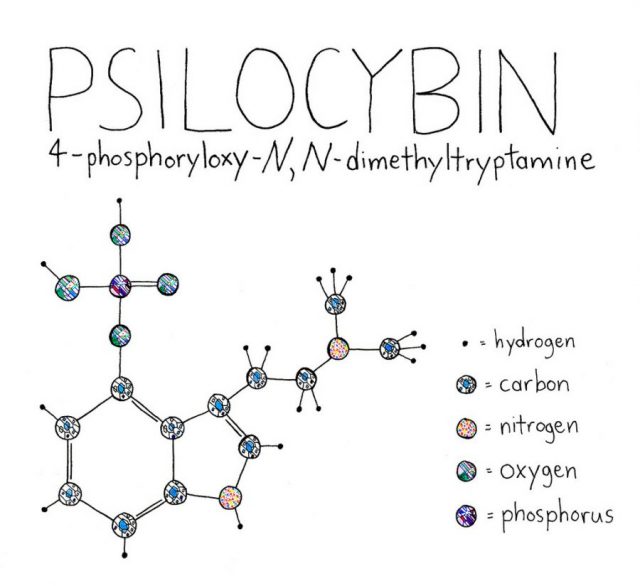
La décision tchèque repose sur un nombre croissant de données cliniques. Des études menées à l'université Johns Hopkins et à l'Imperial College de Londres ont montré que la psilocybine peut réduire la dépression et l'anxiété — parfois dès une seule séance. Le composé active les récepteurs de la sérotonine 2A. Cela déclenche une cascade de neuroplasticité qui aide le cerveau à créer de nouvelles connexions. Nous expliquons ce mécanisme en détail dans notre article sur le fonctionnement des psychédéliques dans le cerveau.
 Psilocybine
Les recherches montrent aussi que la psilocybine ne crée pas de dépendance et présente un faible profil de toxicité. Le ministère tchèque de la Santé a confirmé ces caractéristiques de sécurité avant de faire avancer la législation. De plus, comprendre comment la psilocybine favorise la croissance de nouvelles cellules cérébrales renforce encore la justification scientifique de ce changement de politique.
Les effets de la psilocybine peuvent apparaître rapidement, contrairement aux antidépresseurs classiques qui mettent souvent un à deux mois à faire effet. Cette action rapide est particulièrement précieuse pour les patients confrontés à des symptômes sévères. Le pouvoir thérapeutique de la psilocybine est étudié depuis des décennies, et cette loi tchèque fait enfin entrer ces recherches dans la pratique clinique.
Ce que cela signifie pour l'avenir de la thérapie à la psilocybine
Le modèle tchèque est observé de près partout en Europe. En créant un cadre légal complet de prescription, la Tchéquie a fait figure de précédent. Si le programme se révèle sûr et efficace, il pourrait servir de modèle à d'autres États membres de l'UE qui envisagent une législation similaire. Pour un tour d'horizon plus large des évolutions récentes, lis notre aperçu des tendances de la légalisation de la psilocybine en 2026.
La direction est claire. La thérapie assistée par la psilocybine quitte les laboratoires de recherche pour entrer dans de vrais systèmes de santé. La République tchèque a adopté une approche prudente et fondée sur les preuves — avec des limites de dosage strictes, une supervision par des spécialistes et une psychothérapie de suivi obligatoire. Pour les patients qui ont épuisé les options de traitement conventionnelles, la thérapie à la psilocybine en République tchèque ouvre une nouvelle voie.
Tu veux en savoir plus sur l'histoire de la recherche sur la psilocybine ? Lis notre portrait d'Albert Hofmann, le chimiste qui a isolé la psilocybine pour la première fois en 1958.


Avril 13, 2026