
Votre panier est vide.

10 faits fascinants sur les champignons
Publié sous: Science & Actus sur la Psilocybine
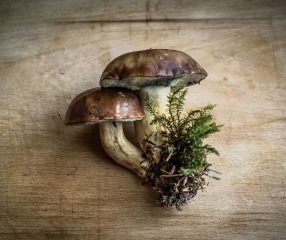
Du plus grand organisme vivant du monde aux champignons lumineux en passant par les merveilles médicinales : le règne des champignons regorge de surprises. (Mise à jour 2026)
Dans cet article : les champignons comptent parmi les organismes les plus extraordinaires de la planète, et pourtant la plupart des gens n'en savent presque rien. Ces 10 faits fascinants sur les champignons vont changer ta façon de voir le monde qui se cache sous tes pieds.
Tous ces faits ne concernent pas les champignons psychédéliques. Les champignons sont remarquables à bien plus d'un titre.
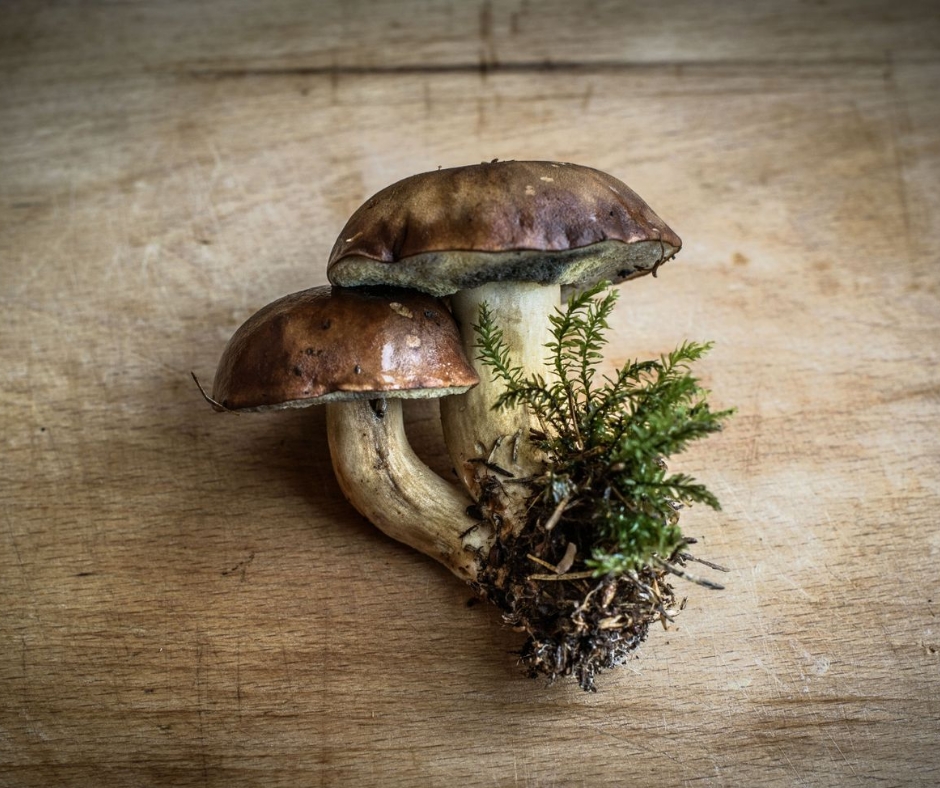
Les champignons ne sont que la partie émergée de l'iceberg. La partie visible, le chapeau et le pied que tu peux repérer dans un champ, n'est que le carpophore : la structure reproductrice que produit un champignon quand les conditions sont réunies. En dessous, souvent invisible, se trouve un immense réseau de mycélium qui peut s'étendre sur des centaines de mètres à travers le sol et le bois.
Plus tu en apprends sur les champignons, plus il devient difficile de les considérer comme simples ou insignifiants. Ils font en réalité partie des organismes les plus fascinants de la Terre, et ils façonnent notre monde d'une manière que la science commence seulement à comprendre pleinement.
Voici 10 faits sur les champignons qui pourraient vraiment te surprendre.
1. Le plus grand organisme vivant du monde est un champignon
Dans les Blue Mountains de l'Oregon, aux États-Unis, vit un seul et même organisme d'Armillaria ostoyae, l'armillaire couleur de miel, qui couvre environ 2 385 acres (soit près de 9,65 kilomètres carrés). Il pousse depuis environ 8 000 ans. Sa plus grande partie est invisible : elle s'étend dans le sol sous forme de mycélium.
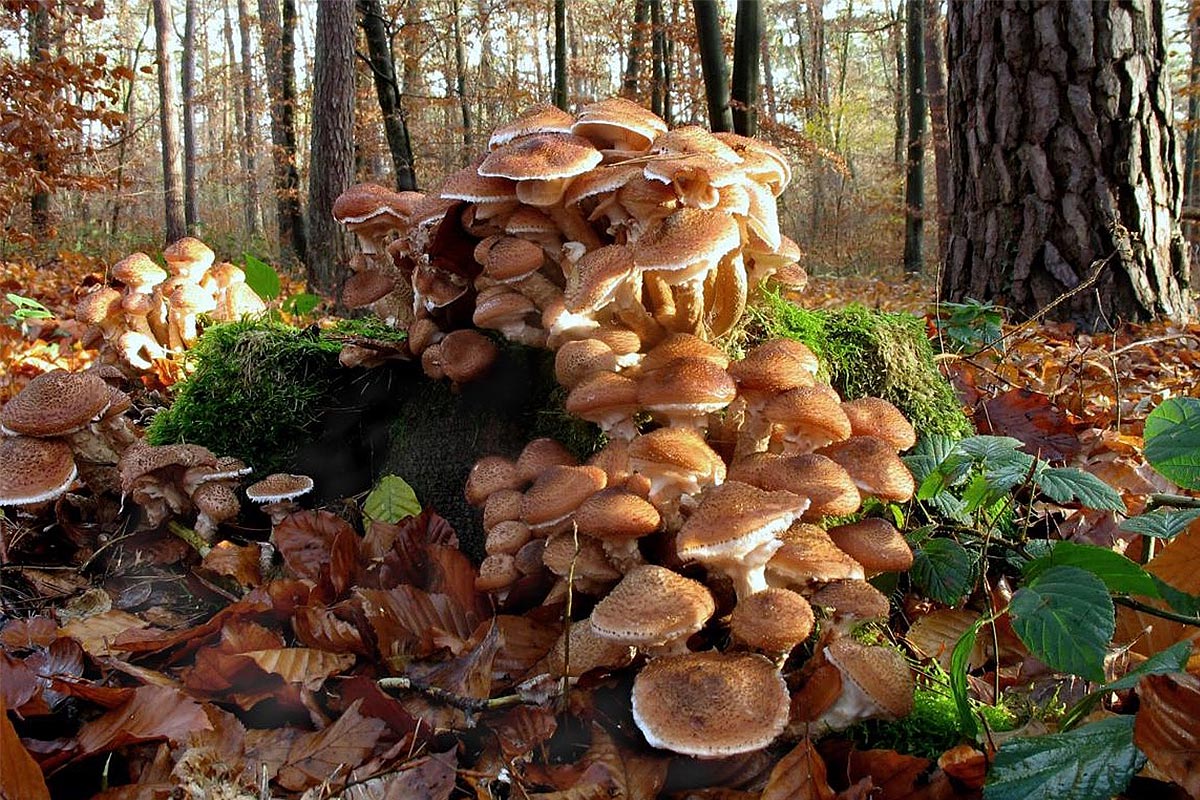
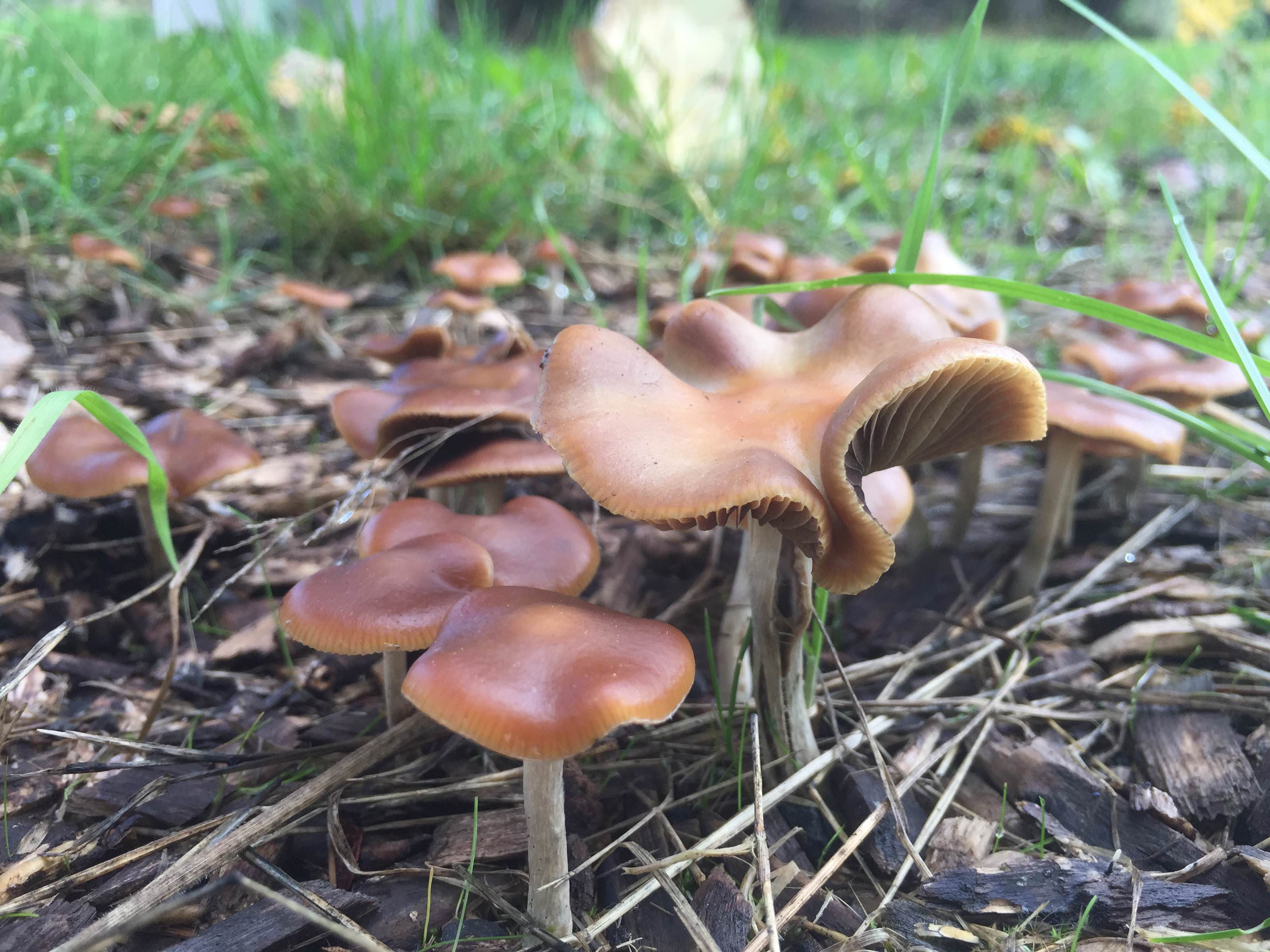
Cet organisme détient le record du plus grand organisme vivant connu sur Terre en termes de superficie. Un rappel saisissant : la vie ne se manifeste pas toujours sous une forme visible.
2. Les champignons sont plus proches des animaux que des plantes
Beaucoup de gens sont surpris, mais c'est bien vrai. Les champignons et les animaux partagent un ancêtre commun (ce sont tous deux des opisthocontes) et sont plus proches l'un de l'autre que de n'importe quelle plante. Comme les animaux, les champignons sont des hétérotrophes : ils ne peuvent pas fabriquer leur nourriture par photosynthèse, alors ils puisent leur énergie en décomposant la matière organique. Leurs parois cellulaires sont faites de chitine, la même substance que l'on trouve dans l'exosquelette des insectes.

C'est l'une des raisons pour lesquelles les infections fongiques sont si difficiles à soigner : comme les champignons ressemblent beaucoup aux cellules animales, mettre au point des médicaments qui tuent le champignon sans nuire à l'hôte représente un vrai défi.
3. Le mycélium est en quelque sorte l'internet de la forêt
L'une des découvertes les plus remarquables de la mycologie moderne est la manière dont les arbres et les plantes communiquent et échangent des ressources via les réseaux fongiques du sol. En forêt, des arbres de la même espèce ou d'espèces différentes sont reliés par le mycélium : ils s'échangent du carbone, des nutriments et de l'eau, et vont même jusqu'à s'envoyer des signaux chimiques d'alerte quand l'un d'eux est attaqué par des insectes ou une maladie.
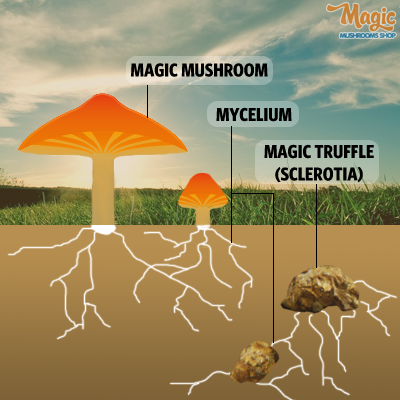
Ce réseau, parfois appelé « wood wide web », signifie que ce qui ressemble à une forêt d'arbres isolés est à bien des égards une seule communauté interconnectée. Les travaux de la chercheuse Suzanne Simard sur les arbres mères et la communication en forêt ont largement contribué à faire connaître ce phénomène au grand public.
Pour approfondir le sujet du mycélium dans le cadre de la culture des champignons, jette un œil à notre article le mycélium expliqué.
4. Certains champignons brillent dans le noir
La bioluminescence, c'est-à-dire la production de lumière par des êtres vivants, n'est pas réservée aux créatures des abysses. Environ 100 espèces de champignons connues produisent une lueur verdâtre, un phénomène appelé foxfire ou « feu de fée ». Cette lumière naît d'une réaction chimique impliquant la luciférine, le même type de composé que celui utilisé par les lucioles.
La raison d'être évolutive de la bioluminescence fongique fait encore débat. Une hypothèse majeure veut que cette lueur attire des insectes la nuit, qui disséminent ensuite les spores du champignon. Quelle qu'en soit la raison, les champignons lumineux comptent vraiment parmi les phénomènes les plus étranges de la nature.
5. Un seul champignon peut libérer des milliards de spores
Un seul gros champignon peut libérer plusieurs milliards de spores pendant sa période de reproduction. Ces spores sont microscopiques et assez légères pour être transportées par les courants d'air sur des centaines, voire des milliers de kilomètres. On a retrouvé des spores de champignons dans la haute atmosphère, transportées à travers les océans, et certaines ont même survécu aux conditions extrêmes de l'espace.
Ce mécanisme de dispersion extraordinaire explique comment les champignons parviennent à coloniser de nouveaux milieux avec autant de succès. Il explique aussi pourquoi il est si difficile d'empêcher les spores de s'introduire dans un espace de culture : elles sont, au sens propre, partout.
6. Les champignons sont utilisés comme remèdes depuis des milliers d'années
Bien avant la médecine pharmaceutique, des cultures du monde entier utilisaient les champignons pour se soigner. Le reishi (Ganoderma lucidum) est employé dans la médecine chinoise et japonaise depuis au moins 2 000 ans. Le chaga (Inonotus obliquus) était utilisé traditionnellement par les peuples de Sibérie et du nord de l'Europe. Ötzi, l'homme des glaces, cette momie vieille de 5 300 ans découverte dans les Alpes, transportait du polypore du bouleau, probablement utilisé comme traitement de premiers secours.
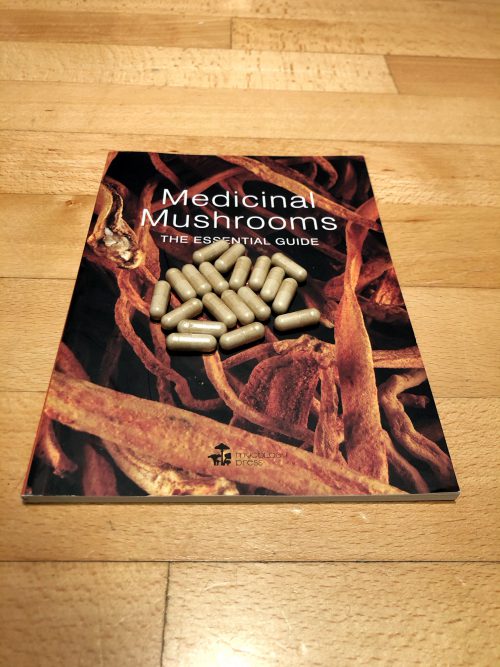
La recherche moderne rattrape aujourd'hui ces savoirs traditionnels. Des études sur l'Hericium (crinière de lion), le chaga, le reishi, la queue-de-dinde et d'autres champignons médicinaux ont mis en évidence de véritables composés bioactifs aux propriétés immunomodulatrices, neuroprotectrices et antioxydantes. Tu peux en savoir plus dans notre guide des champignons médicinaux.
7. La pénicilline, premier antibiotique, vient d'un champignon
En 1928, Alexander Fleming remarque que de la moisissure qui se développe sur une boîte de Petri détruit les bactéries autour d'elle. Cette moisissure était Penicillium notatum, et la substance qu'elle produisait, la pénicilline, est devenue le premier antibiotique et l'une des découvertes médicales les plus importantes de l'histoire.
Selon certaines estimations, la pénicilline et les antibiotiques qui ont suivi ont sauvé des centaines de millions de vies. Tout cela grâce aux champignons. Un rappel que les médicaments les plus précieux viennent parfois des endroits les plus inattendus.
8. Certains champignons peuvent digérer le plastique et le pétrole
Certains champignons ont la capacité remarquable de dégrader des polluants qui résistent à presque toute autre dégradation biologique. Cette propriété, connue sous le nom de mycoremédiation, fait l'objet de recherches actives. Certaines espèces peuvent décomposer les hydrocarbures aromatiques polycycliques présents dans les sols contaminés, digérer le plastique polyuréthane et même survivre dans des environnements radioactifs.
Le mycologue Paul Stamets, entre autres, a mené des recherches et des démonstrations montrant comment les champignons peuvent transformer en quelques mois un sol très pollué en terre fertile. Les implications sont considérables pour la dépollution de l'environnement et la gestion des déchets.
9. Les champignons peuvent contrôler l'esprit des insectes
Les champignons Ophiocordyceps, parfois surnommés champignons zombies, infectent des insectes, en particulier des fourmis et d'autres arthropodes, et prennent le contrôle de leur comportement. Une fourmi infectée est poussée par le champignon à grimper à une hauteur précise au-dessus du sol de la forêt, à s'agripper à une feuille ou à une tige dans une position fixe, et à y mourir, exactement là où les spores du champignon seront dispersées le plus efficacement.
Les mécanismes par lesquels le champignon y parvient, en modifiant le système neuromusculaire et le comportement de l'insecte sans détruire son cerveau, sont encore à l'étude. C'est l'un des exemples les plus extraordinaires de manipulation parasitaire dans la nature, et il a inspiré à la fois la recherche scientifique et la culture populaire (notamment la série HBO The Last of Us).
10. Les champignons à psilocybine poussent sur tous les continents sauf l'Antarctique
Les champignons magiques, c'est-à-dire les champignons contenant de la psilocybine, se trouvent sur tous les continents à l'exception de l'Antarctique. Plus de 180 espèces de champignons contenant de la psilocybine ont été identifiées, et elles poussent dans des environnements tropicaux, subtropicaux et tempérés. Autrement dit, elles font tout simplement partie de la diversité fongique de la planète.

Cette répartition mondiale, associée à l'étonnante régularité des expériences qu'ils provoquent, a conduit de nombreux chercheurs et penseurs à s'interroger sur leur lien avec l'évolution et la culture humaines. Terence McKenna a ainsi proposé sa célèbre hypothèse du « singe stone » (stoned ape) : les champignons à psilocybine auraient contribué à l'expansion rapide des capacités cognitives humaines. Même si cette hypothèse reste controversée, la relation entre les humains et les champignons psychédéliques est indéniablement ancienne et répandue.
Tu peux en apprendre davantage sur le monde fascinant des champignons magiques dans notre guide d'introduction qu'est-ce que les champignons magiques, et découvrir le portrait de Terence McKenna.
Les champignons te fascinent ? Découvre notre gamme de
et lance ta propre culture à la maison.


Mars 23, 2026